小溪上方的萤火虫,冈山县,日本 Fireflies glowing above a stream, Okayama Prefecture, Japan (© tdub303/Getty Images)

小溪上方的萤火虫,冈山县,日本 Fireflies glowing above a stream, Okayama Prefecture, Japan (© tdub303/Getty Images)
流光之诗 The poetry of vanishing light
萤火虫发光在小溪上方,冈山县,日本
在冈山县(Okayama Prefecture),当湿润的空气笼罩在溪流之上,被称为“hotaru”的日本萤火虫便开始发出信号。在温暖无风的夜晚,如果条件理想,它们通常会在日落约两小时后开始发光,发散出一种水边独有的静谧感。
萤火虫并非蝇类,而是甲虫(Beetles),大多数种类栖息在水边,如池塘、溪流、沼泽和河流。白天,它们隐藏在低矮的草丛中;入夜后,它们爬上植被并起飞,通过闪烁光芒来寻找配偶。它们的光源自腹部的化学反应,而特定物种的闪烁频率有助于伴侣识别正确的信号。它们的幼虫生活在更安静且充满饥饿感的阶段:作为肉食性动物,幼虫以蜗牛和蛞蝓等软体动物为食;而成年萤火虫则可能采食昆虫、花蜜或花粉。
在日本,“萤狩”(Hotaru-gari,即观赏萤火虫)有着深厚的文化根基。平安时代(794–1185)的作家如清少纳言(Sei Shōnagon)曾在著作中描写过萤火虫,后世的文学作品和浮世绘(Ukiyo-e,一种传统的木版画和绘画形式)也常借其转瞬即逝的光芒来隐喻生命之无常。
Fireflies glowing above a stream, Okayama Prefecture, Japan
In Okayama Prefecture, when humid air settles over a stream, hotaru—Japan's fireflies—begin signaling. On warm, windless evenings, they often start glowing about two hours after sunset under favorable conditions, inviting silence beside water.
Fireflies aren't flies but beetles, and most species stay near water—ponds, streams, marshes, and rivers. By day they hide low in the grass; after dark they climb vegetation and take flight, flashing to find a mate. Their light comes from a chemical reaction in the abdomen, and species-specific timing helps partners recognize the right signal. Their young live a quieter, hungrier life: larvae are carnivores that feed on soft-bodied prey such as snails and slugs. Adults may eat insects, nectar, or pollen.
In Japan, watching them—hotaru-gari—has deep roots. Heian-era (794–1185) writers like Sei Shōnagon wrote about fireflies, and later literature and ukiyo-e art—a traditional form of woodblock prints and paintings—used their brief light to evoke impermanence.
本州岛上的富士山, 日本 Mount Fuji on Honshu Island, Japan (© phutthiseth thongtae/Getty Images)

本州岛上的富士山, 日本 Mount Fuji on Honshu Island, Japan (© phutthiseth thongtae/Getty Images)
天际线上的印记 Signature on the horizon
本州岛上的富士山, 日本
富士山是日本最高峰,海拔12,389英尺(约3700米),耸立于本州岛,位于东京西南约60英里(约97公里)处。这座近乎完美的锥形山峰是一座火山——自1707年12月最后一次喷发后便一直处于休眠状态,但仍被归类为活火山。那次大规模喷发被称为宝荣喷发,火山灰和其他火山碎屑喷涌而出,席卷日本东部,甚至远至江户(今东京)。除了地质学意义之外,富士山长期以来被视为神圣的景观和朝圣登山的目的地,这体现了日本自然、宗教和日常生活的交融。这种经久不衰的文化魅力也是它于2013年被联合国教科文组织列为世界遗产的原因之一,被誉为“神圣之地和艺术灵感的源泉”。众所周知,在晴朗的日子里,富士山从远处就能清晰可见,但这并非必然——云层可能在几分钟内将其遮蔽。无论您是徒步攀登,还是只是从火车车窗瞥见它,它依然是日本地平线上的标志性景观。
Mount Fuji on Honshu Island, Japan
Mount Fuji, Japan's highest mountain, rises to 12,389 feet on Honshu Island, about 60 miles southwest of Tokyo. Its near-perfect cone is a volcano—dormant since its last eruption in December 1707 yet still classed as active. That last major event is known as the Hōei eruption. It blasted ash and other tephra across eastern Japan, reaching Edo (today's Tokyo). Beyond geology, Fuji has long been treated as a sacred landscape and a destination for pilgrimage climbs, reflecting how nature, religion, and daily life overlap in Japan. That enduring cultural appeal is one reason it was designated a UNESCO World Heritage Site in 2013 as 'a sacred place and source of artistic inspiration.' Fuji is famously visible from far away on clear days but never guaranteed—clouds can hide it in minutes. Whether you hike it or just catch a glimpse from a train window, it still feels like Japan's signature on the horizon.
樱花盛开的弘前城,弘前,日本 Hirosaki Castle with cherry blossoms, Hirosaki, Japan (© Glenn Waters/Getty Images)

樱花盛开的弘前城,弘前,日本 Hirosaki Castle with cherry blossoms, Hirosaki, Japan (© Glenn Waters/Getty Images)
芬芳四月 Where power resides
弘前,日本
想象一下17世纪初的日本北部:城堡矗立在政治、贸易与行政的交汇点上,是权力与治理的重要中心。随着时间推移,这些城堡不仅见证了紧张与冲突的历史,也记录了坚守、变迁以及人们的日常生活。每年4月6日庆祝的日本城堡日正是为了让人们关注这段多层次的历史。这一天的日期来自一个有趣的日语谐音:“shi”(4)和“ro”(6)**组合成 “Shiro-no-Hi”,因为 “shiro” 在日语中意为“城堡”。
Castle Day Japan
Picture northern Japan in the early 1600s. Castles stood at the crossroads of politics, trade, and governance. Across generations, they came to reflect not only moments of tension, but also endurance, adaptation, and everyday life. Castle Day, celebrated on April 6, was created to highlight that layered past. The day uses a simple phonetic link—shi (4) and ro (6)—to form Shiro-no-Hi, because 'shiro' means castle in Japanese. It's a reminder that castles had serious jobs long before they had cinematic appeal.
Today's image features Hirosaki Castle, completed in 1611 under the Tsugaru clan, an influential Japanese samurai family. Fires, repairs, and rebuilding reshaped it, but the castle remained in use until the feudal system ended in the 19th century. Rather than a relic, it endures as evidence of local rule and Edo-period design—a past that remained present as aesthetics moved toward minimalism.
秋天的伊吕波坂,日光市,栃木县,日本 Irohazaka Road in fall, Nikko, Tochigi, Japan (© oneinchpunch/Shutterstock)

秋天的伊吕波坂,日光市,栃木县,日本 Irohazaka Road in fall, Nikko, Tochigi, Japan (© oneinchpunch/Shutterstock)
像日光那样“弯道飞驰” Bend it like Nikko
秋天的伊吕波坂,日光市,栃木县,日本
秋天是伊吕波坂最耀眼的季节,正如今日画面所示。从10月下旬到11月上旬,枫叶的红、银杏的金、落叶松的黄层层叠叠,铺满山坡。蜿蜒的道路一路通向日光的著名景点:攀登至顶,便可抵达赤地平原。这里有缆车可俯瞰中禅寺湖和气势磅礴的华严瀑布。山顶的中禅寺湖静谧如镜,与盘旋的山路形成鲜明对比,而瀑布在下方轰鸣奔泻。几个世纪前,朝圣者沿着这条路前往神社与寺院,如今旅行者依旧踏上同样的路径,只是相机快门声取代了虔诚的诵经声。
Irohazaka Road in fall, Nikko, Tochigi, Japan
If you think the alphabet is straightforward, Japan's Irohazaka Road in Nikko will twist that belief right out of you. Named after the old Japanese syllabary 'Iroha,' this mountain pass once had 48 hairpin bends—each curve matched to a character of the alphabet. Today, it's a pair of separate one-way roads—one goes up, the other comes down, and both make drivers feel as if they're spelling out a story with every turn.
Fall is when Irohazaka truly shows off, as captured in today's image. From late October to early November, maple reds, ginkgo golds, and larch yellows spill down the slopes. The winding route also leads to some of Nikko's greatest hits. Climb up, and you'll reach the Akechidaira Plateau. Here, a ropeway gives you sweeping views of Lake Chuzenji and the powerful Kegon Falls. At the top, Lake Chuzenji offers a calm contrast to the dizzying drive, while the waterfall roars below. Centuries ago, pilgrims took this same route to reach sacred shrines and temples. Today, travelers follow in their tracks, though probably with more camera clicks than chants.
岚山缤纷的枫叶与竹林, 京都, 日本 Colorful maple leaves and bamboo forest in Arashiyama, Kyoto, Japan (© DoctorEgg/Getty Images)

岚山缤纷的枫叶与竹林, 京都, 日本 Colorful maple leaves and bamboo forest in Arashiyama, Kyoto, Japan (© DoctorEgg/Getty Images)
竹林吐纳清气,枫叶绚烂如火 Where bamboo breathes and maples blaze
日本京都岚山地区的枫林与竹林
今日,我们前往京都岚山地区,这里以迷人的四季风光闻名于世。此处,鲜艳的日本红枫与静谧的竹林交织出色彩与宁静的和谐画卷。这些以纤细深裂叶片著称的枫树,每逢秋日便幻化成炽烈的红、橙、金三色,吸引着全球游客纷至沓来。它们不仅因绝美姿态备受推崇,更承载着象征优雅、平和与生命无常的文化意蕴。
嵯峨野竹林同样具有标志性,高耸的真竹和毛竹在微风中轻轻摇曳。几个世纪以来,竹子一直是日本人生活中不可或缺的一部分,从建筑、手工艺到传统仪式,竹子都得到广泛应用。竹子的快速生长和韧性象征着力量和柔韧性,历史上人们种植竹林是为了抵御自然灾害。
Maple and bamboo forests in Arashiyama, Kyoto, Japan
Today, we travel to the Arashiyama district in Kyoto, renowned for its captivating seasonal landscapes. Here, vibrant Japanese maple trees and serene bamboo forests create a harmonious blend of color and tranquility. These maples, known for their delicate, deeply lobed leaves, turn fiery shades of red, orange, and gold during fall, attracting visitors from around the world. They are celebrated not only for their beauty but also for their cultural symbolism—representing elegance, peace, and the fleeting nature of life.
The Sagano Bamboo Forest is equally iconic, where towering stalks of madake and mosochiku varieties of bamboo sway gently in the breeze. Bamboo has been integral to Japanese life for centuries, used in everything from architecture and crafts to traditional ceremonies. Its rapid growth and resilience symbolize strength and flexibility, and bamboo groves were historically planted to protect against natural disasters.
日出时的东京,日本 Tokyo at sunrise, Japan (© pongnathee kluaythong/Getty Images)
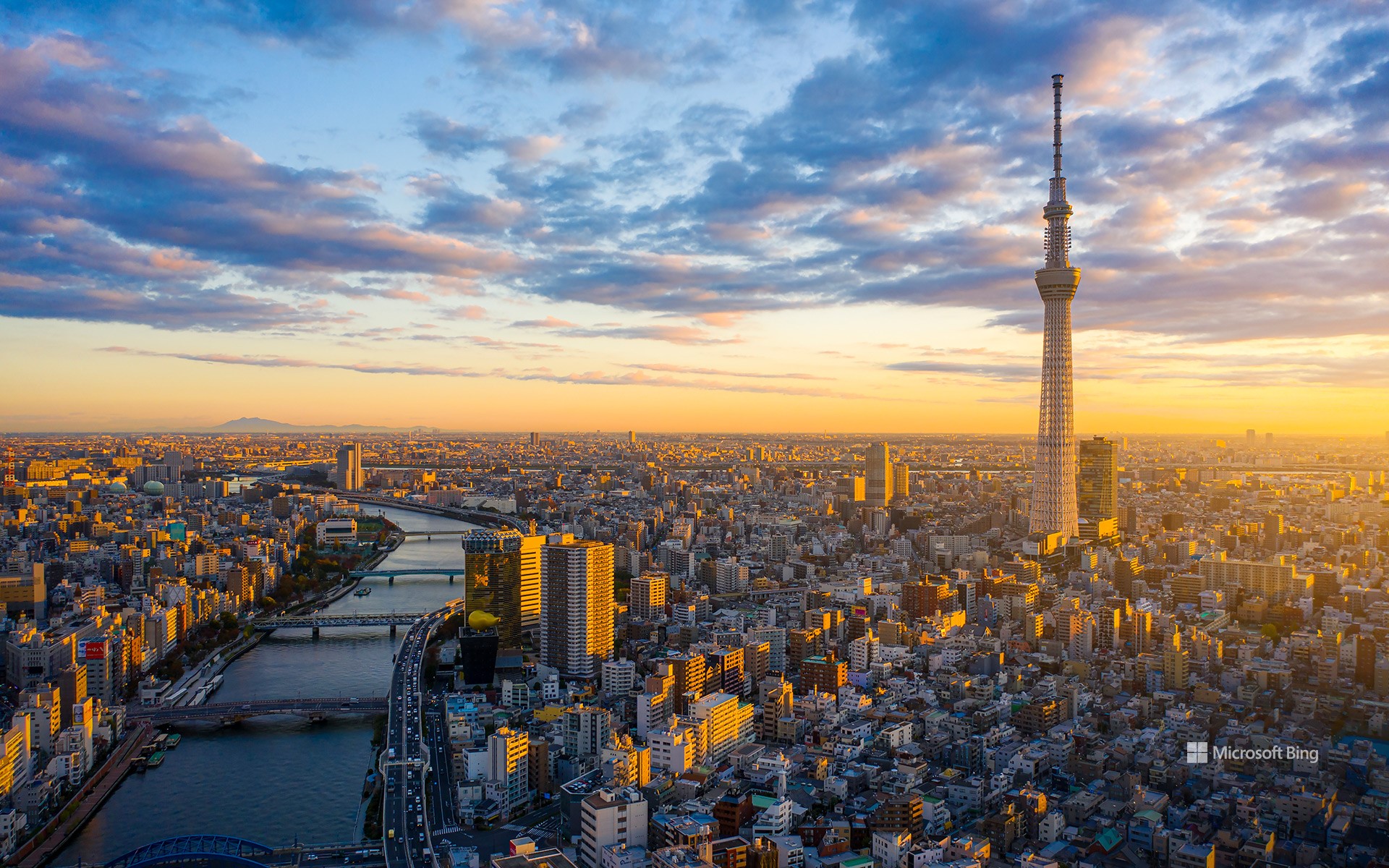
日出时的东京,日本 Tokyo at sunrise, Japan (© pongnathee kluaythong/Getty Images)
把我们都算上 Counting us all in
世界人口日
我们生活的地球早已人满为患,并且仍在不断变得更加拥挤。目前全球人口已达82亿,且呈持续增长之势。世界人口日旨在引发人们对人口增长如何影响城市发展、粮食供给与未来前景的思考。该纪念日设立于1989年,聚焦于不受控的人口增长对可持续性带来的影响,其灵感源自1987年全球人口首次突破50亿的“50亿人口日”。随着城市不断扩张,绿地面积减少,农业也在有限的土地和水资源中展开竞争。然而前路并非无解:通过教育投资、改善医疗可及性,以及建设更智慧的城市,人口增长与可持续发展之间可以实现平衡。
从全球数据来看,至2025年,印度仍将是全球人口最多的国家,人口数预计超过14.6亿;其次是中国,人口约14.1亿;美国以约3.39亿人口位居第三,尽管其增长速度趋缓,人口老龄化正成为新的社会挑战。当前全球人口最多的城市是日本东京,人口约3,720万,它呈现出高密度城市生活的实际图景:空间紧张、交通拥堵,以及公共服务需求高企。世界人口日不只是人口统计,更是呼吁我们要进行具前瞻性的规划,以确保子孙后代能在资源有限的地球上能持续繁荣发展。
World Population Day
We are living in a full house, and it is getting fuller. With 8.2 billion people and counting, World Population Day highlights how that growth affects cities, food, and the future. First observed in 1989, the day focuses on how unchecked population growth affects sustainability. The event was inspired by Five Billion Day in 1987, which marked the approximate date when the global population hit that milestone. As cities expand, green spaces shrink, and agriculture competes for limited land and water resources. But there is a way forward—investing in education, improving access to healthcare, and building smarter cities can balance growth with sustainability.
On a global scale, India remains the most populous country in 2025 with over 1.46 billion people, followed by China at 1.41 billion. The United States trails with around 339 million, though its growth is slowing and aging populations are becoming a new challenge. Tokyo, the world's largest city with around 37.2 million people, illustrates the realities of high-density urban life: overcrowded spaces, transport congestion, and rising demand for services. World Population Day is more than a head count—it's a call for better planning and long-term thinking to ensure future generations can thrive on a planet with finite resources.
沿着岚山保津川行驶的火车,京都,日本 A train running along Hozugawa River in Arashiyama, Kyoto, Japan (© Alvin Huang/Getty Images)
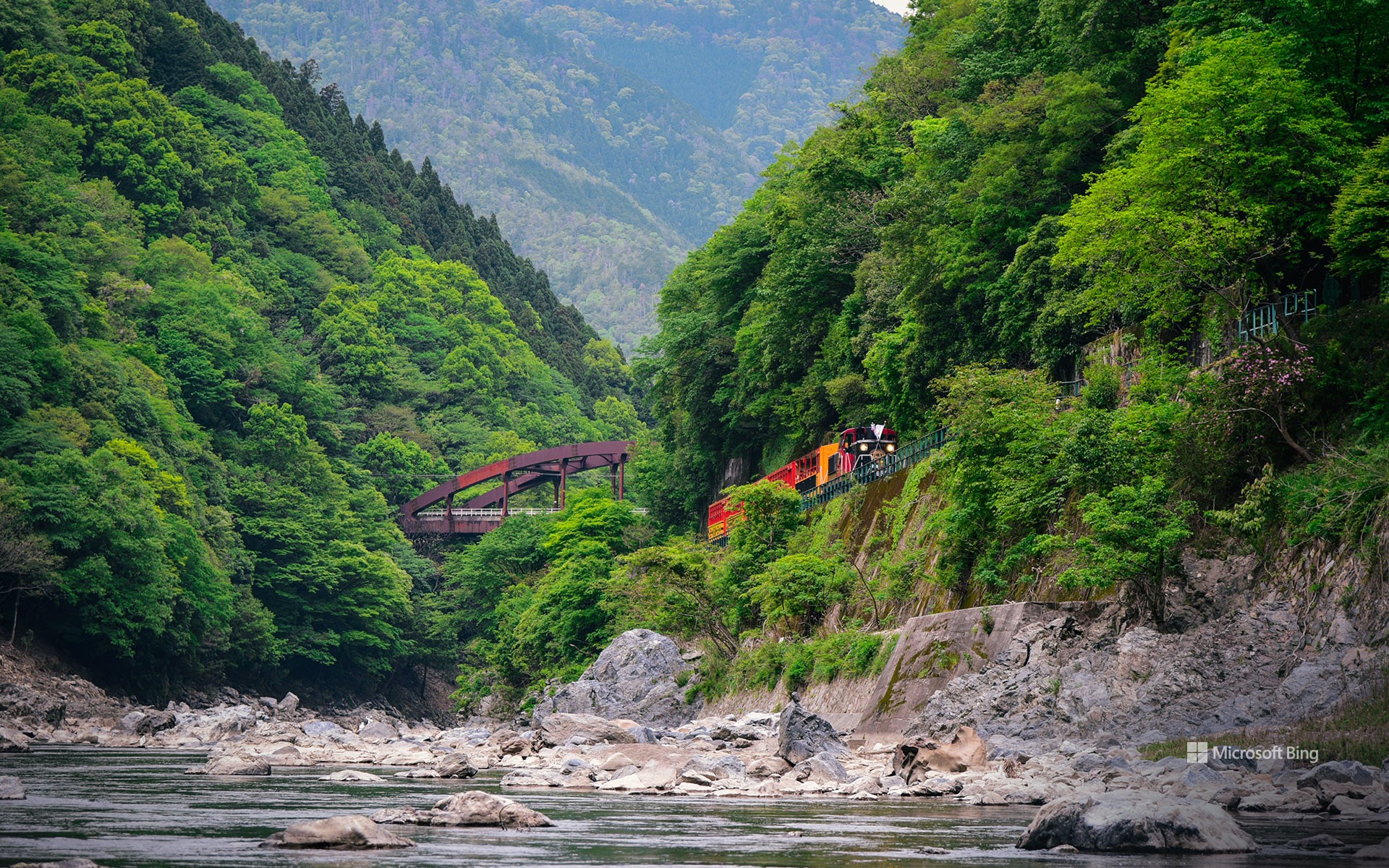
沿着岚山保津川行驶的火车,京都,日本 A train running along Hozugawa River in Arashiyama, Kyoto, Japan (© Alvin Huang/Getty Images)
山间奔驰 Running in the mountains
沿着岚山保津川行驶的火车,京都,日本
岚山四季景色各具风韵,春季樱花盛放,秋季枫叶绚丽,令人叹为观止。此地最具代表性的地标之一为渡月桥,横跨宁静的桂川,桥上可远眺群山环绕的壮丽景色。漫步于嵯峨野竹林小径,高耸的竹子随风摇曳,仿佛置身于一个神秘而静谧的世界。岚山亦坐落着宁静的天龙寺,以其精致的枯山水庭园而闻名。若希望体验难忘之旅,游客可搭乘嵯峨野观光小火车,穿越风光旖旎的保津川峡谷,沿途欣赏四季更替的自然景观。无论是寻求静谧、感受自然之美,还是希望体验京都深厚的历史文化,岚山都能为来访者留下难以磨灭的回忆。
日出时分的富士山, 河口湖, 日本 Mount Fuji at sunrise, Lake Kawaguchi, Japan (© Twenty47studio/Getty Images)
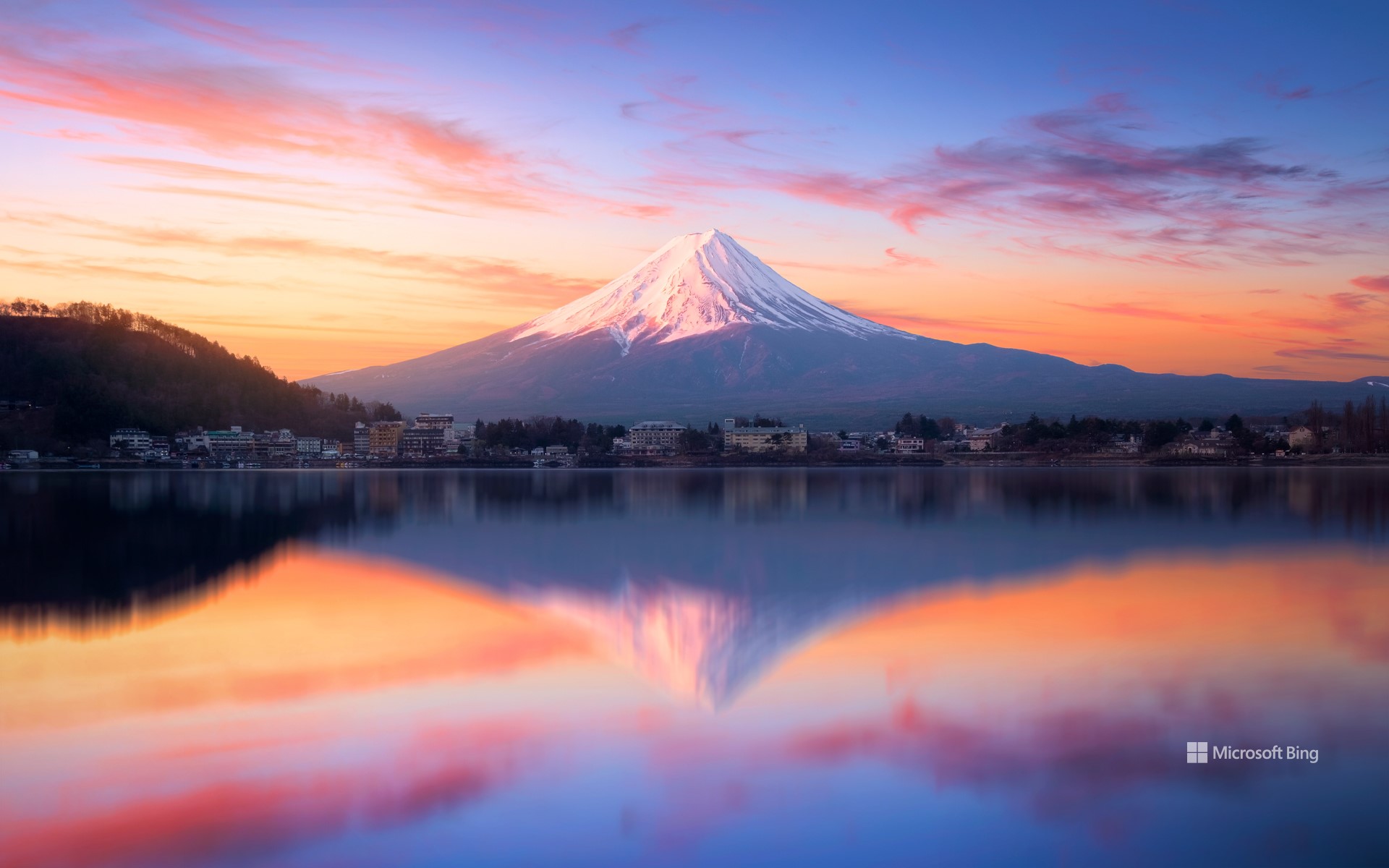
日出时分的富士山, 河口湖, 日本 Mount Fuji at sunrise, Lake Kawaguchi, Japan (© Twenty47studio/Getty Images)
清晨的美好精 Wind of Fuji, my souvenir from Edo
富士山,日本
在东京西南约 60 英里处,矗立着日本的文化象征之一:富士山。这座日本最高峰海拔近12,000英尺,其近乎完美对称的火山锥,每年约有五个月被积雪覆盖,形成壮丽景观。几个世纪以来,富士山一直被视为神圣之山。在神道信仰中,富士山被奉为本宫浅间大社的圣山,并在其视野范围内建有供奉它的神社。
Mount Fuji Day
Around 60 miles southwest of Tokyo stands one of Japan's cultural icons: Mount Fuji. The country's tallest mountain rises 12,000 feet above the surrounding landscape, with its near-symmetrical cone covered in snow for nearly five months each year. For centuries, Fujisan—as it is known in Japanese—has been worshiped as a sacred mountain. In the Shinto faith, Fuji is deified as Asama no Okami, and shrines dedicated to it are built within sight of the mountain.
February 23 is celebrated as Mount Fuji Day (富士山の日) because the word 'Fujisan' can be interpreted as '2, 2, 3.' Although it's not a national holiday, people often take the opportunity to learn more about this majestic peak. It's also a day to reflect on the future of the mountain, and how it can be preserved for future generations. Every year, more than 300,000 people climb Mount Fuji, and overtourism has become a real concern.
三十槌冰柱,秩父市,日本 Icicles of Misotsuchi, Chichibu, Japan (© watayu0821/shutterstock)
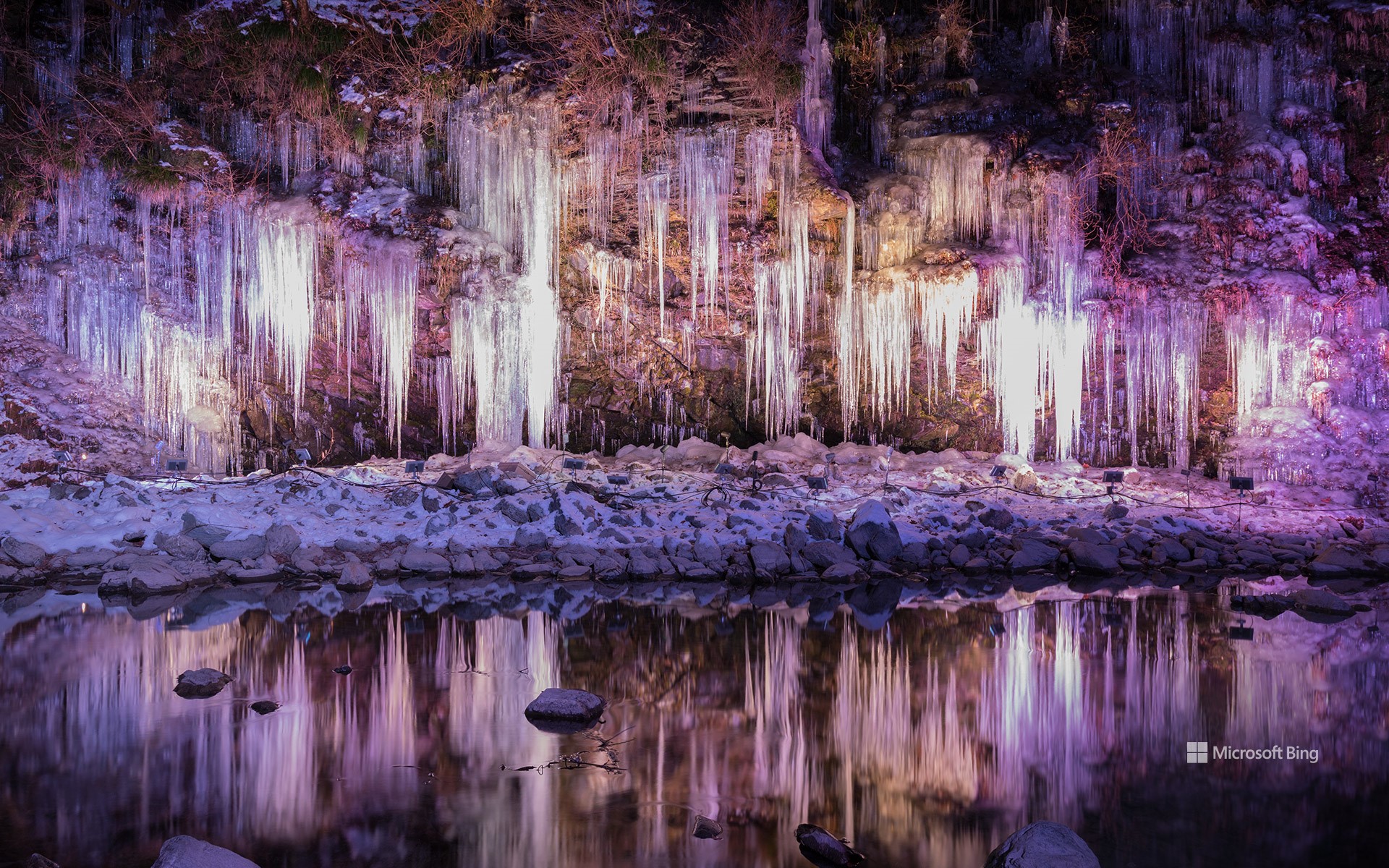
三十槌冰柱,秩父市,日本 Icicles of Misotsuchi, Chichibu, Japan (© watayu0821/shutterstock)
冰雪奇景 These are so nice-icle
三十槌冰柱,秩父市,日本
看,这就是日本秩父市的三十槌冰柱奇观!这道令人叹为观止的天然冰墙宽约98英尺,高约33英尺,由泉水沿岩壁流下结冰而成。这一景观每年仅在1月中旬至2月中旬开放,夜幕降临时还会点亮彩灯,仿佛置身于冬日童话世界。
距离东京仅两小时车程,这里是远离都市、欣赏大自然杰作、呼吸清新山间空气的绝佳去处。观赏完冰柱,不妨前往附近的大泷温泉泡温泉,这是当地人最爱的放松身心之地。秩父市的大部分地区位于或毗邻秩父多摩甲斐国立公园,观赏完点亮的冰柱后,还可继续探索周边丰富的自然景观。
The natural ice wall of Misotsuchi, Chichibu, Japan
Behold the magic of the Misotsuchi no Tsurara (Misotsuchi Icicles) in Chichibu, Japan. This breathtaking natural ice wall, nearly 100 feet wide and 35 feet tall, is formed by spring water freezing as it trickles down a rock face. The attraction is only open from mid-January through mid-February. Colored lights after dark create a scene that feels straight out of a winter fairy tale.
Just 2 hours from Tokyo, Chichibu is the perfect escape to enjoy nature's artistry and some fresh mountain air. Warm up after viewing the icicles with a soothing soak at the nearby Otaki Onsen, a popular hot spring, for relaxation. Since much of Chichibu sits in or near the Chichibu Tama Kai National Park, there’s abundant nature to see.
地肤草,茨城县,日本 Kochia, Ibaraki prefecture, Japan (© DigiPub/Getty Images)
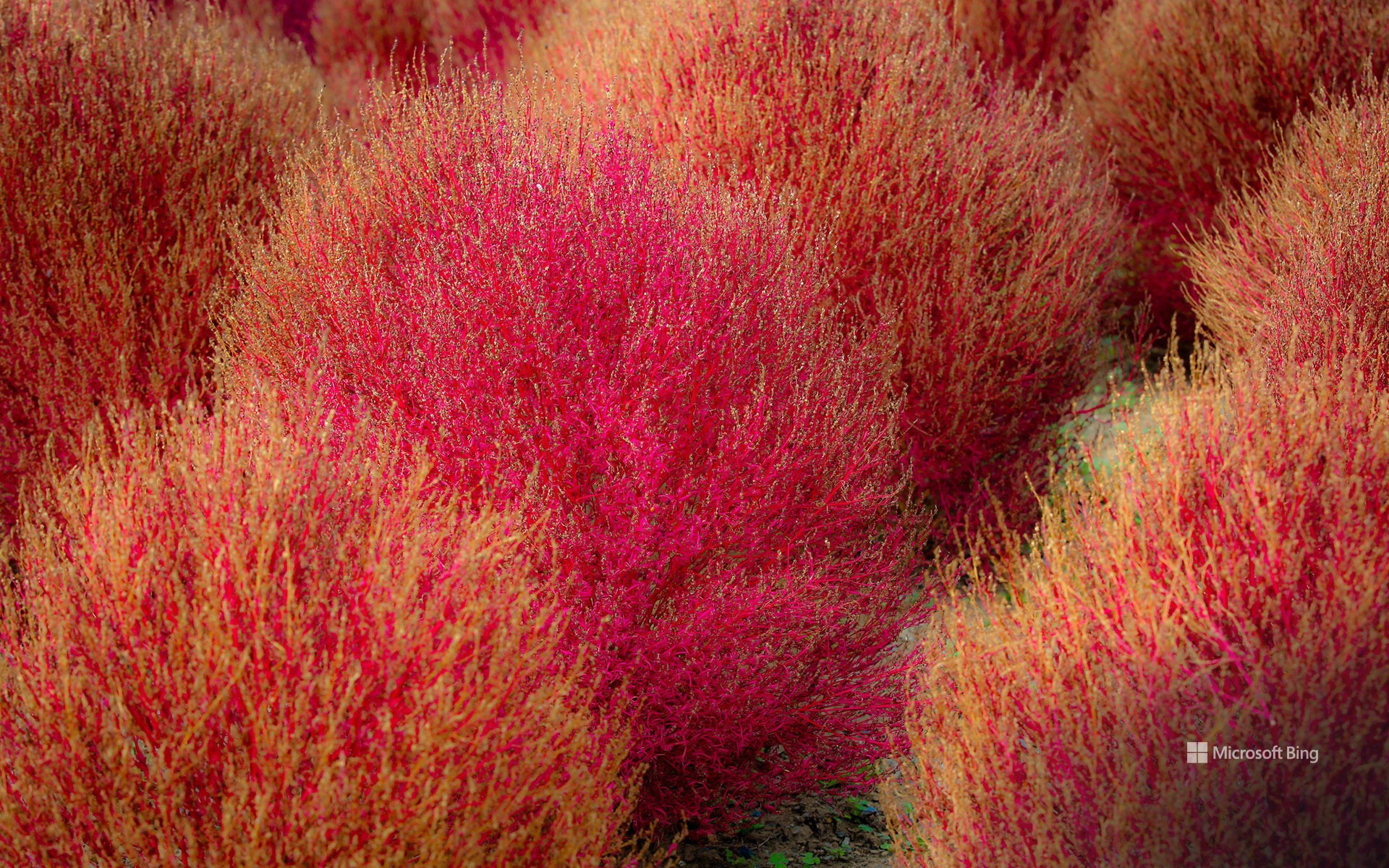
地肤草,茨城县,日本 Kochia, Ibaraki prefecture, Japan (© DigiPub/Getty Images)
随风摆动,进入秋天 Rolling into fall
地肤草,日立海滨公园,茨城县,日本
如果您曾经见过照片中那像火一样的一望无际的红色田野,那您肯定见过地肤草。在春季和夏季,这种一年生草本植物开始呈现出嫩绿色,就像一个蓬松的绿球。随着季节的转换,它的颜色也在变化,会变成红色、橙色甚至粉红色。
地肤草也被称为地肤,原产于欧洲和亚洲的部分地区,如今已遍布世界各地,并且在日本的日立海滨公园找到了一个特殊的家,如今天图片所示。公园里每年种植约3万至4万株地夫草灌木丛,漫步其间,仿佛置身奇异世界。这些观赏植物在日本文化中还具有重要意义。过去,它们被晒干制作成扫帚。不过,也不是所有的部位都注定沦为清扫工具,地肤草还有一些部分可以用在食物中。这种植物的干果——地肤子,又被称为“田野鱼子酱”,是一种珍贵的配菜。