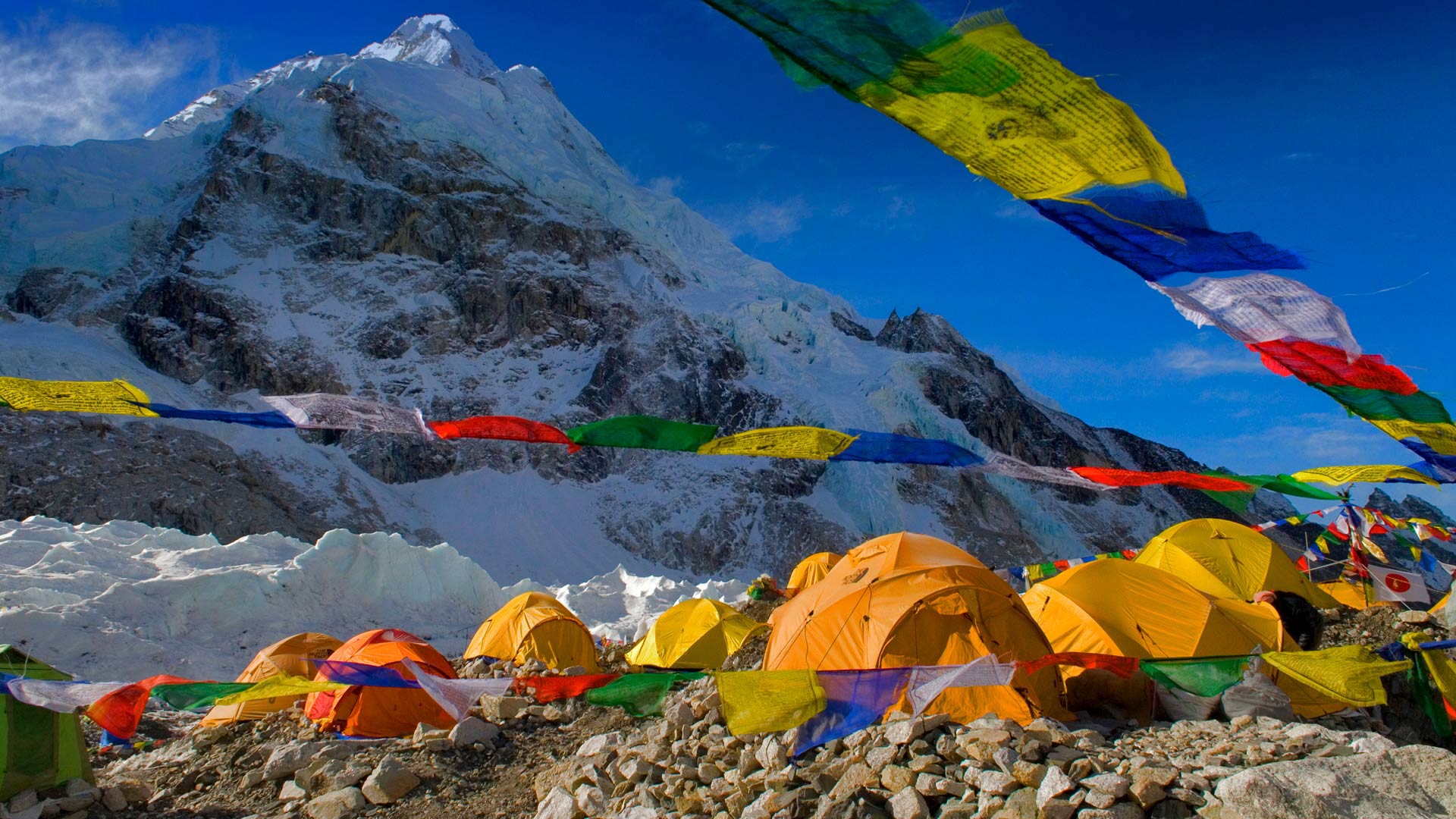
珠穆朗玛峰峰顶,萨加玛塔国家公园,尼泊尔 Mount Everest summit, Sagarmatha National Park, Nepal (© fotoVoyager/Getty Images)

珠穆朗玛峰峰顶,萨加玛塔国家公园,尼泊尔 Mount Everest summit, Sagarmatha National Park, Nepal (© fotoVoyager/Getty Images)
巅峰历史时刻 A 'peak' into history
1953年珠穆朗玛峰登山远征
在尼泊尔的萨加玛塔国家公园,珠穆朗玛峰于暮色中巍然显现,平静而沉稳。1953年5月29日,这片宁静被历史性的一刻打破。经过数年的筹备与数周艰苦攀登,新西兰登山家埃德蒙·希拉里与夏尔巴登山家丹增·诺尔盖成功登顶珠穆朗玛峰。在海拔超过29000英尺(约8848米)的高度上,他们成为已知最早成功抵达人类所知地球最高点的人。
这一历史时刻,也成为珠穆朗玛峰悠久文化传统的一部分。早在现代登山远征到来之前,当地社区便将这座山峰视为神圣之地。世代生活于山麓的人们,通过长期积累的经验观察山体与天气变化,并逐渐形成对高海拔环境的深刻认知。在空气稀薄、天气多变、登山路线险峻的环境中,这种经验与理解显得尤为重要。
1953年的成功登顶,展现了协作所带来的突破:英国远征队的后勤支持、夏尔巴登山者的高山经验,以及众多支援成员的共同努力,最终汇聚于同一条登顶路线之上。当暮色再次笼罩珠穆朗玛峰,峰顶映出的微光,仿佛仍在诉说那个春日——人类凭借好奇心与勇气,首次向世界最高峰发起成功挑战。
1953 Mount Everest Expedition
In Sagarmatha National Park, Nepal, Mount Everest rises into view, calm and unmoved as evening settles in. But on May 29, 1953, that stillness was broken. After years of planning and weeks of climbing, New Zealander Edmund Hillary and Sherpa mountaineer Tenzing Norgay reached the summit. At over 29,000 feet above sea level, they became the first people known to have stood at Earth's highest point.
That moment became part of a much older story. Long before modern expeditions arrived, local communities honored the mountain as sacred. They lived in its shadow, reading its moods with knowledge refined over generations. Such understanding proved essential in a place shaped by thin air, sudden storms, and unforgiving routes.
The 1953 ascent showed what cooperation could unlock: British logistics, Sherpa expertise, and a broad support team came together on one ridge. As daylight fades across Everest, the glow along its peak recalls a spring day when curiosity and courage lifted humans to the very edge of the sky.
从伦佐拉山口眺望珠穆朗玛峰日落时分的峰顶,尼泊尔 Summit of Mount Everest at sunset, seen from Renjo La, Nepal (© shoults/Alamy)

从伦佐拉山口眺望珠穆朗玛峰日落时分的峰顶,尼泊尔 Summit of Mount Everest at sunset, seen from Renjo La, Nepal (© shoults/Alamy)
天地相接之处 Where the sky meets Earth
国际山岳日
每年12月11日,我们庆祝“国际山岳日”, 以此致敬塑造地球的雄伟山脉与哺育生命的冰川。从起伏的阿尔卑斯山到巍峨的喜马拉雅,山地覆盖了地球陆地面积的近四分之一,栖息着全球约 15% 的人口与近一半的生物多样性热点地区。世界最高峰珠穆朗玛峰,海拔逾29,000英尺,象征着人类的追求与自然的壮丽。其冰川滋养着无数河流,维系着数以百万计的生命,证明了山脉不仅是风景,更是地球的生命线。
冰川储存着全球约70%的淡水资源,但随着全球气温上升,它们正以惊人的速度融化。这一变化威胁着农业、水资源安全、能源生产,以及数十亿人的生计。冰川退缩与永久冻土融化也加剧了洪水、山体滑坡与侵蚀等灾害,使社区与基础设施面临风险。
今年国际山岳日的主题为:“冰川关乎山地及其以外地区的水源、粮食与生计”,强调了保护这些关键生态系统的紧迫性。无论是仰望珠峰的雄姿,还是徒步于家乡的山岭,这一天都提醒我们重新连接地球的垂直世界,铭记山脉在生命、气候与生物多样性中所扮演的不可替代的角色。
International Mountain Day
Every December 11, we celebrate International Mountain Day, honoring the majestic peaks that shape our planet and the glaciers that support life. From the rolling Alps to the towering Himalayas, mountains cover nearly a quarter of Earth's land and host 15% of the world's population and nearly half of its biodiversity hotspots. Mount Everest, the world's highest peak at over 29,000 feet, stands as a symbol of human aspiration and natural beauty. Its glaciers feed rivers sustaining millions, showing that mountains are more than scenery—they are lifelines.
Glaciers, holding about 70% of the world's fresh water, are melting rapidly due to rising global temperatures. This threatens agriculture, water security, energy production, and the livelihoods of billions. Retreating glaciers and thawing permafrost also heighten hazards like floods, landslides, and erosion, putting communities and infrastructure at risk.
This year, International Mountain Day is themed 'Glaciers matter for water, food, and livelihoods in mountains and beyond,' which emphasizes the urgent need to protect these vital ecosystems. Whether marveling at Everest or hiking a local ridge, the day invites us to reconnect with Earth's vertical landscapes and recognize their essential role in life, climate, and biodiversity.