像巨大指纹一样的Bavljenac岛,克罗地亚 Bavljenac Island, Croatia (© Julien Duval/Amazing Aerial Agency)
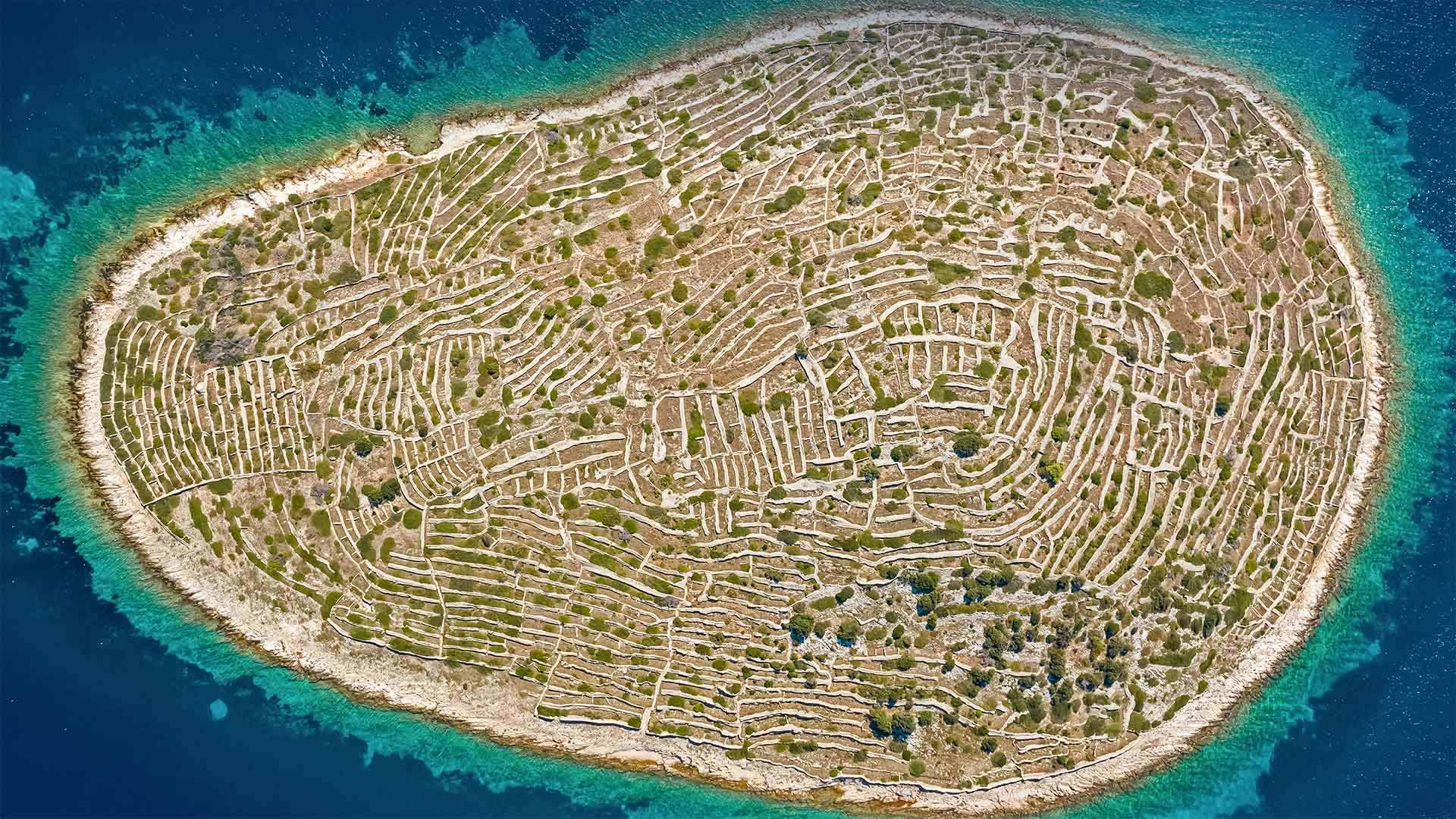
像巨大指纹一样的Bavljenac岛,克罗地亚 Bavljenac Island, Croatia (© Julien Duval/Amazing Aerial Agency)
This 'fingerprint' is one of a kind
Of the 1,246 islands on Croatia's fragmented coast, the unique isle of Bavljenac might be the most identifiable. It's nicknamed 'Fingerprint Island' for its miles of dry-stone walls that look like the whorled ridges of a human fingerprint. The tiny, uninhabited landmass in the Adriatic Sea was once an agricultural center. In the 19th century—the heyday of Croatian wine production— farmers from the nearest populated island built the winding walls on Bavljenac to protect olive trees and grapevines from the winds blowing in from the Adriatic.
这种“指纹”是独一无二的
在克罗地亚支离破碎海岸上的1246个岛屿中,独一无二的巴夫勒耶纳克岛可能是最容易辨认的。它的绰号是“指纹岛”,因为它有几英里长的干石墙,看起来像是人类指纹的螺纹纹路。亚得里亚海中无人居住的小块陆地曾经是一个农业中心。19世纪是克罗地亚葡萄酒生产的全盛时期,来自最近人口稠密岛屿的农民在巴夫勒耶纳克修建了蜿蜒的城墙,以保护橄榄树和葡萄藤免受亚得里亚海吹来的风的影响。
杜布罗夫尼克老城,克罗地亚 The Old Town of Dubrovnik, Croatia (© Jeremy Woodhouse/Getty Images)
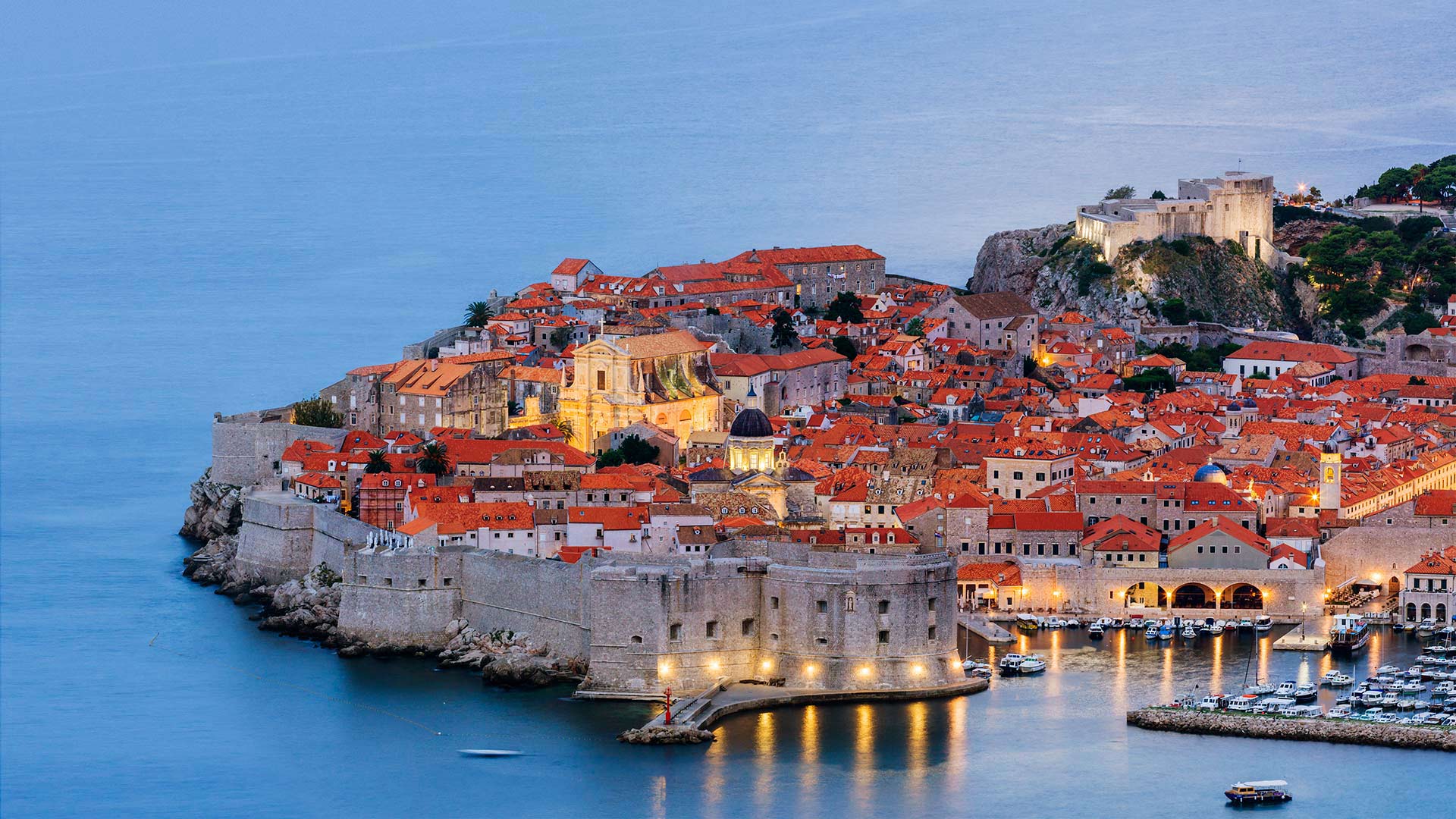
杜布罗夫尼克老城,克罗地亚 The Old Town of Dubrovnik, Croatia (© Jeremy Woodhouse/Getty Images)
Wanderin' Wawayanda
Preserving more than 35,000 acres of prime New Jersey highland wilderness, Wawayanda State Park brushes up against the state's border with New York. The park's name come from a transliteration of the Lenape Indigenous people's word for the area, said to mean 'winding water' or 'water on the mountain.' A lake and a mountain within the park are also called Wawayanda—perhaps because it's so fun to say?
In addition to the various rivers and creeks here, the park is home to 11 miles of trails, many of them covered with wooden planks. The trail in this photo is an out-and-back hike that takes visitors up to a lookout point on Wawayanda Mountain, where stunning views inspired the trail's name: Stairway to Heaven. (And now you have the Led Zeppelin song stuck in your head. You're welcome?)
漫步瓦瓦扬达
Wawayanda州立公园保护着超过35000英亩的新泽西高地荒野,与纽约州接壤。公园的名字来源于Lenape土著人对该地区的音译,据说意思是“蜿蜒的水”或“山上的水”。公园内的一个湖和一座山也被称为Wawayanda,也许是因为说起来很有趣吧?
除了这里的各种河流和小溪外,公园还有11英里长的小径,其中许多都覆盖着木板。这张照片中的小道是一次来回的徒步旅行,游客可以到达瓦瓦扬达山上的了望点,那里的美景激发了小道的名字:通往天堂的阶梯(现在,你的脑海中萦绕着齐柏林飞艇乐队的歌曲。不客气?)
普利特维采湖群国家公园中的高架步道,克罗地亚 Elevated path in Plitvice Lakes National Park, Croatia (© Alessandro Laporta/Offset by Shutterstock)
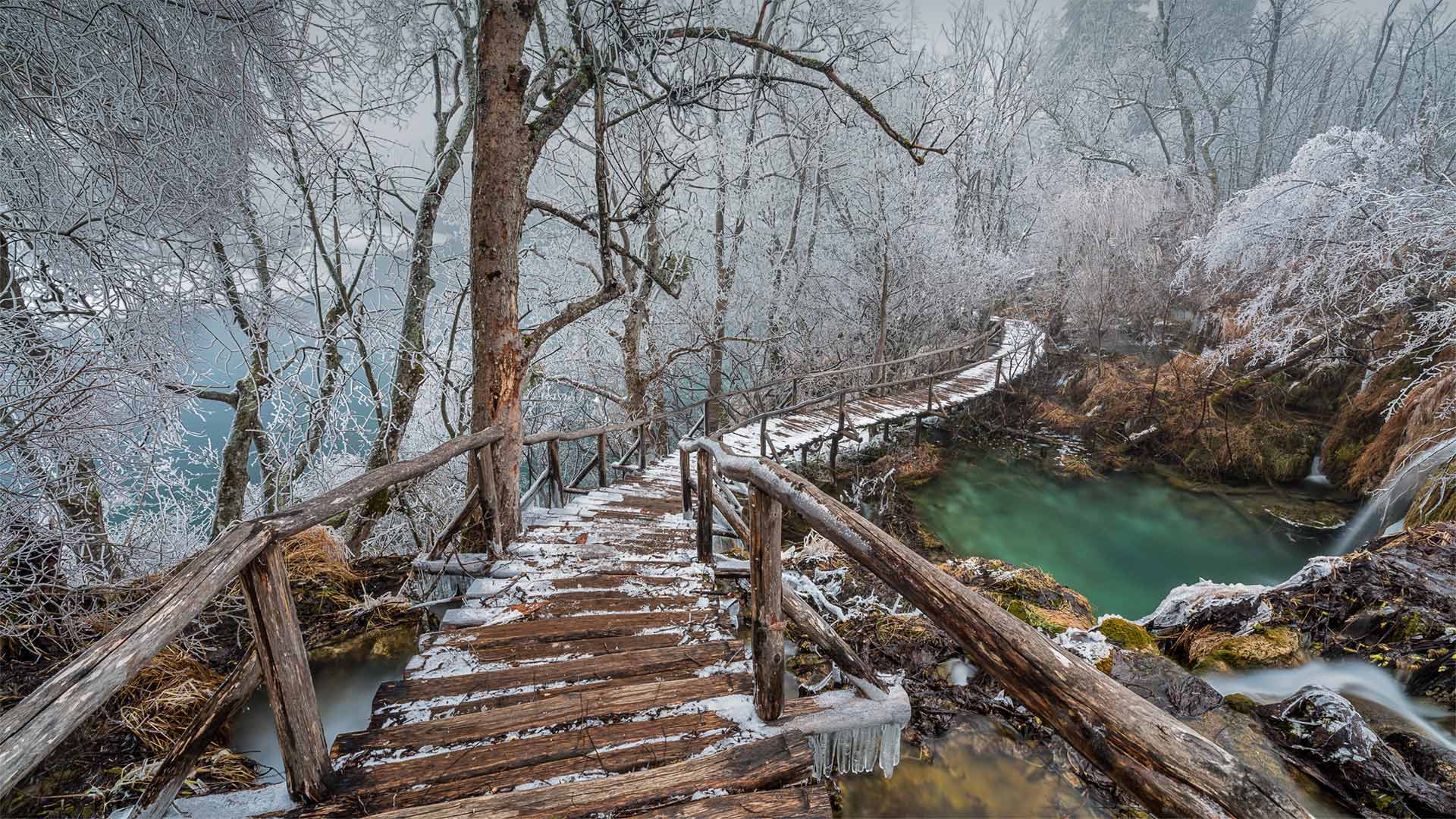
普利特维采湖群国家公园中的高架步道,克罗地亚 Elevated path in Plitvice Lakes National Park, Croatia (© Alessandro Laporta/Offset by Shutterstock)
A hidden jewel in Croatia
Today we're walking out into the winter wonderland of Plitvice Lakes National Park, the oldest and largest national park in Croatia. More than a million tourists per year flock to this central mountainous region, renowned for its cascading waterfalls and 16 turquoise-colored lakes. These wooden pathways meander for miles around and above the lakes, beside waterfalls and over streams and rivers, which disappear into the moss-covered earth only to burst through again somewhere downstream. In fact, the lakes are all interconnected by underground flows and are separated from each other by natural dams of travertine.
The park is open year-round, and winter is its slowest season. If you're brave enough to venture down the park's slippery pathways in December or January, you may be rewarded with views straight out of a fairy tale.
克罗地亚的一颗隐藏的宝石
今天,我们要走进十六湖国家公园(Plitvice Lakes National Park)的冬季仙境,该公园是克罗地亚最古老,最大的国家公园。 每年有超过一百万的游客涌向这个中央山区,该山区以级联的瀑布和16个蓝绿色的湖泊而闻名。 这些木制小径在湖泊周围和上方蜿蜒数英里,在瀑布旁边,在溪流和河流上消失,消失在苔藓覆盖的泥土中,仅在下游某处再次突然出现。 实际上,所有湖泊都通过地下水流相互连接,并通过天然的堤坝隔开。
公园全年开放,冬季是最慢长的季节。 如果您有足够的勇气在12月或1月冒险走下公园的湿滑小径,您可能欣赏到的是童话故事般的风景。
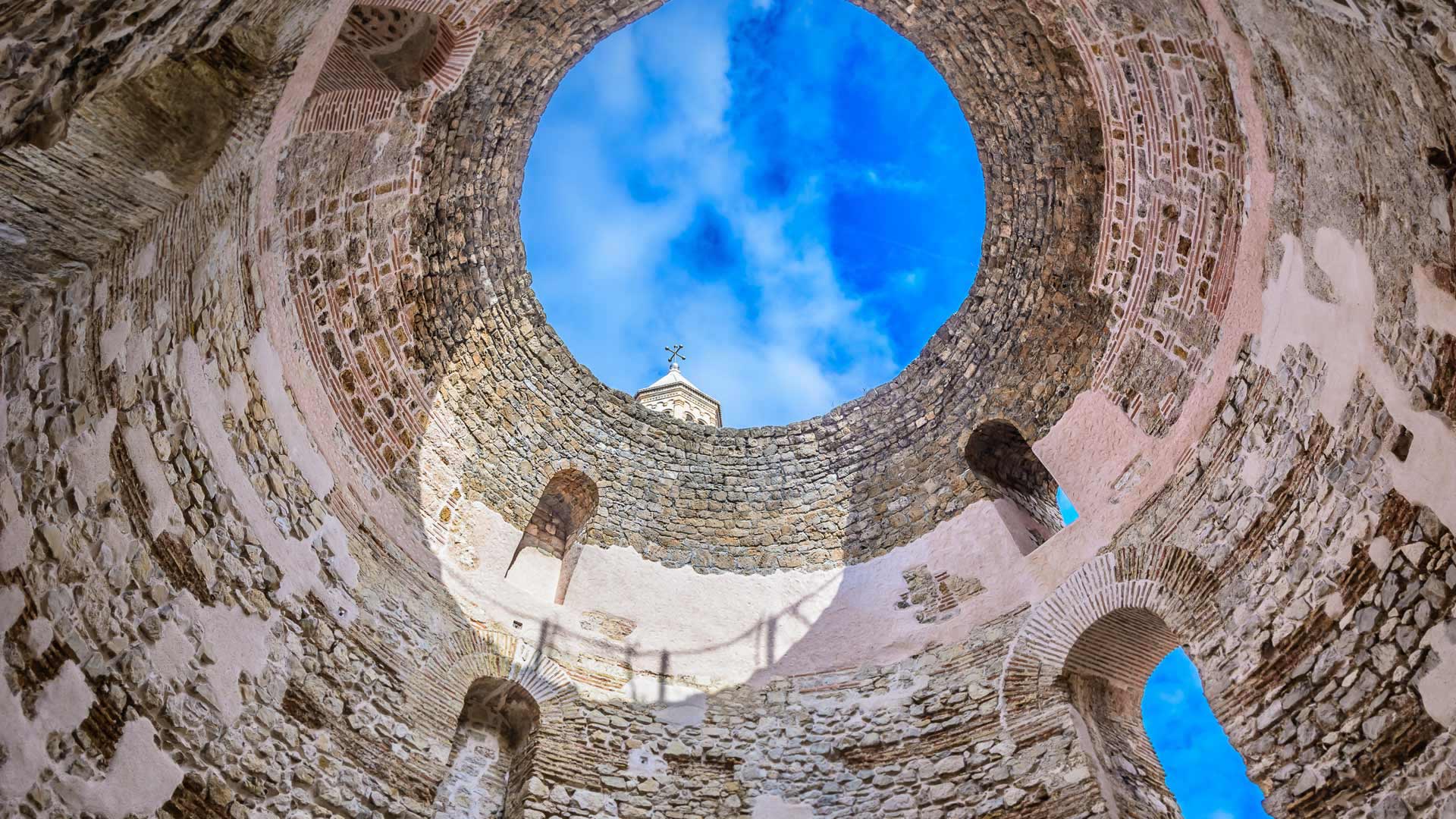
Wooden doors and a stone path at the base of Fort Lovrijenac in Kolorina Bay, Dubrovnik (© Barbara Vallance/Getty Images)
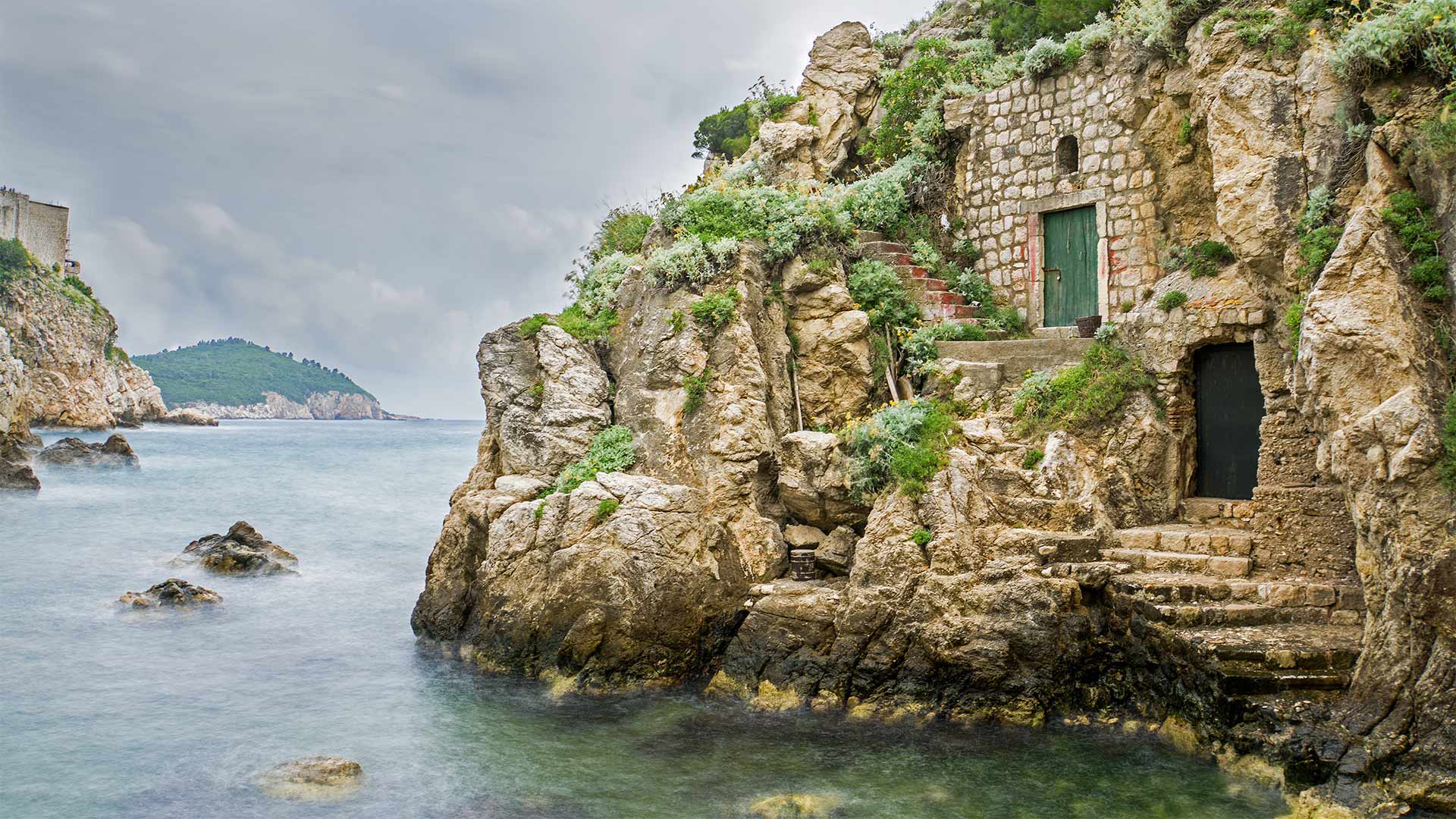
Wooden doors and a stone path at the base of Fort Lovrijenac in Kolorina Bay, Dubrovnik (© Barbara Vallance/Getty Images)
At the foot of 'Dubrovnik's Gibraltar'
The stairs in today's photo lead to Fort Lovrijenac, an 11th century fortress jutting out into the Adriatic Sea just outside the walled city of Dubrovnik. 'Game of Thrones' fans will recognize these doors as an entrance to dwellings in the fictional city of King's Landing. Legend claims that when the fort was built on this rocky coastal outpost in the early 11th century, it took just three months to construct. The locals, of what was then Ragusa, knew they had limited time before their rivals, the Venetians, would arrive to build their own outpost and rule over them. According to 'The Chronicles of Ragusa,' the plan worked–the fort was completed just as the surprised Venetians arrived in ships heavy with supplies.
As the centuries marched on, Fort Lovrijenac was reinforced and added to until an earthquake in 1667 nearly destroyed it together with the rest of the town. What would eventually become Dubrovnik was rebuilt, as was the fort, complete with an inscription above the gate that translates to 'Freedom is not to be sold for all the treasure in the world.' Today the walled city is a UNESCO World Heritage site, safeguarding much of the city's Baroque architecture as well as one of the oldest arboretums in the world.