都柏林的圣斯蒂芬绿地,爱尔兰 St. Stephen's Green in Dublin, Ireland (© L_E/Shutterstock)

都柏林的圣斯蒂芬绿地,爱尔兰 St. Stephen's Green in Dublin, Ireland (© L_E/Shutterstock)
In the footsteps of Leopold Bloom
Today, we're looking down at St. Stephen's Green in Dublin in honor of Bloomsday, a day when people celebrate Irish author James Joyce and his famous 1922 novel 'Ulysses.' But, why today you ask? That's because the novel follows the meanderings and thoughts (and meandering thoughts) of the protagonist, Leopold Bloom, and a host of other characters—real and fictional—from 8AM on June 16, 1904, through the early hours of the next morning.
In 1924, Joyce himself mentioned in a letter that some people celebrated 'Bloom's day' on June 16, which must have amused him. Then, for the 50th anniversary of the events in the novel, a group of Irish literary figures and other 'Ulysses' enthusiasts organized a kind of a pilgrimage on June 16, 1954, ambling along the route that Bloom takes through Dublin. Bloomsday has since grown into a worldwide literary celebration. People in Dublin can follow in the characters' footsteps through the city's streets, visiting places immortalized in the novel; others may celebrate by dressing in fashion from the time, eating food mentioned in the book, and performing readings of the text.
Greenan迷宫,爱尔兰威克洛郡 Greenan Maze in County Wicklow, Ireland (© Peter Krocka/Shutterstock)
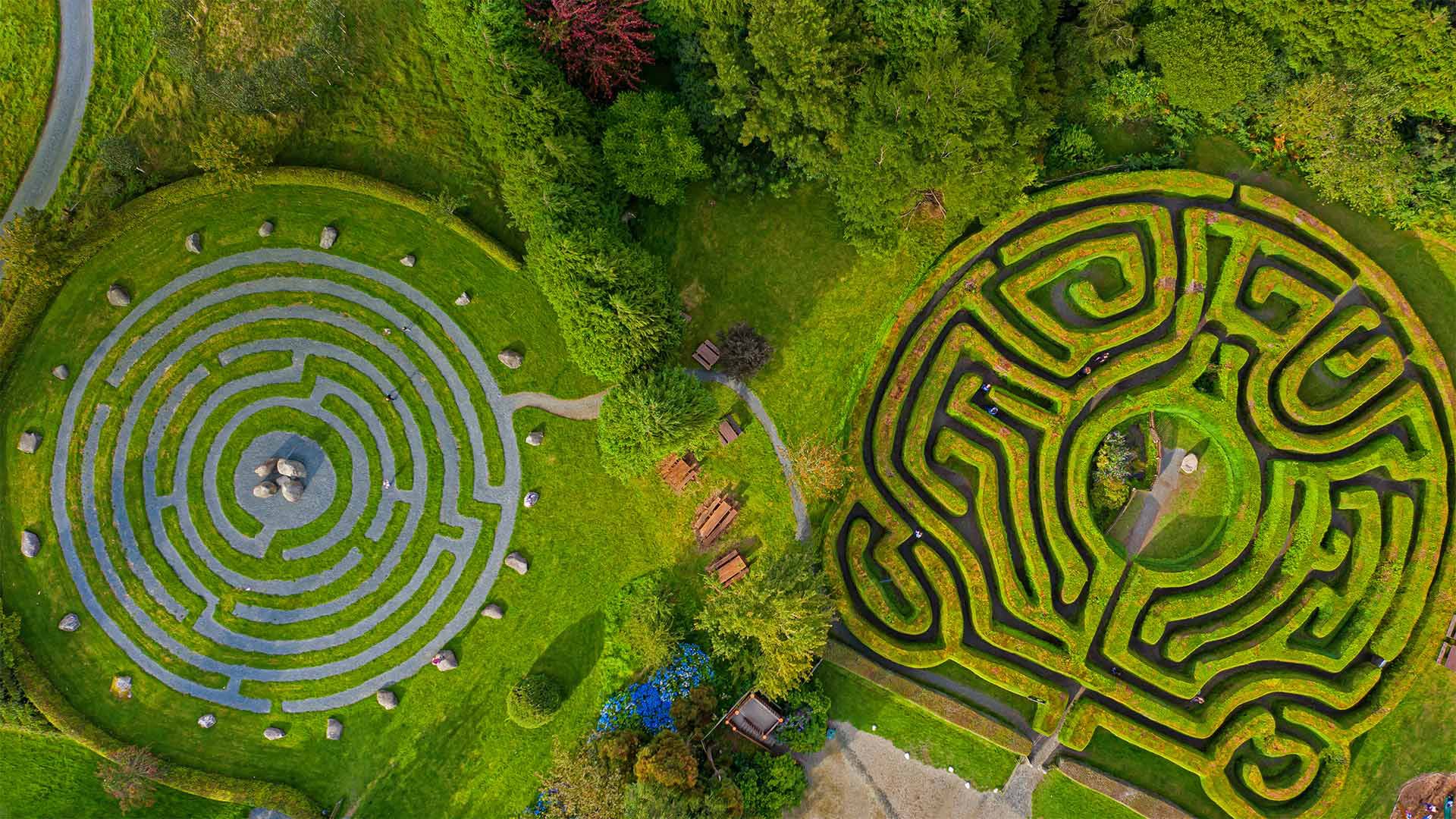
Greenan迷宫,爱尔兰威克洛郡 Greenan Maze in County Wicklow, Ireland (© Peter Krocka/Shutterstock)
Let's get lost
Beannachtaí ó from Greenan Maze in Ireland! (That first part is 'Welcome to' in traditional Irish.) This family farm in Greenan, a small village in the countryside of County Wicklow, has a hedge maze and a meditative labyrinth path, both in the 'celtic maze' style. Celtic mazes are a common artistic motif in artifacts from ancient Celtic settlements. Historians suggest the Celtic maze was linked to spiritual practices, often associated with the journey of the dead into the afterlife. And in modern life, they can be an inspiration for creative hedge mazes. Are you rethinking your backyard landscaping, or is that just us?
纽格兰奇墓,爱尔兰博因河谷 Knowth burial mound in Newgrange, Boyne Valley, Ireland for St Patrick's Day (© whatapicture/plainpicture)
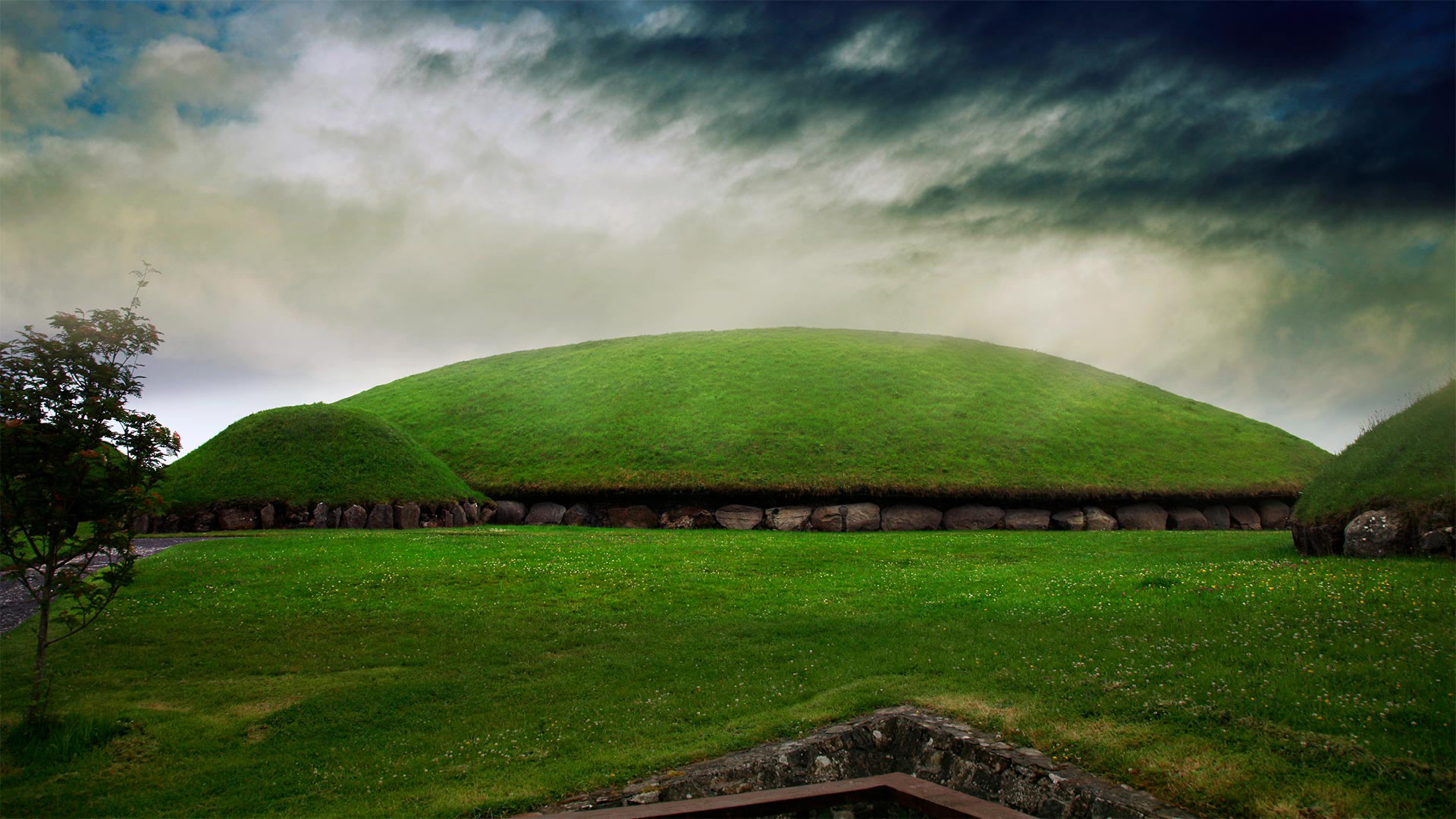
纽格兰奇墓,爱尔兰博因河谷 Knowth burial mound in Newgrange, Boyne Valley, Ireland for St Patrick's Day (© whatapicture/plainpicture)
It's a good day to be green
For St. Patrick's Day, we're featuring an image of the Knowth passage grave, part of the Boyne valley tombs, about an hour's drive north of Dublin. In addition to Knowth, this UNESCO World Heritage Site is home to the Newgrange and Dowth passage graves, henges, standing stones, and a significant portion of Western Europe's megalithic art. Knowth, the largest passage grave in the complex, is a 40-foot-high mound with a diameter of 220 feet; two east-west passages run under it that lead to separate burial chambers. The structures predate St. Patrick by nearly 4,000 years, and their original purpose is unclear—but on this day dedicated to celebrating all things Irish, they show off the engineering capabilities of the area's ancient population as well as the natural green beauty of the Irish countryside.
Sun Voyager sculpture by Jón Gunnar Árnason in Reykjavik, Iceland © Martin Child/Getty Images Plus

Sun Voyager sculpture by Jón Gunnar Árnason in Reykjavik, Iceland © Martin Child/Getty Images Plus
Ode to the sun
Today marks the summer solstice in the Northern Hemisphere—the longest day of the year and, for most of us on this side of the globe, the first official day of summer. (Iceland, being Iceland, celebrates the first day of summer in April, an old Viking tradition.) What better way to celebrate this day of sun than with Reykjavik's Sun Voyager. Though it looks a bit like a Viking ship or maybe a fish skeleton, sculptor Jón Gunnar Árnason created it to be a dream boat and an ode to the sun. Sounds good to us. Join us in celebrating the sun today.