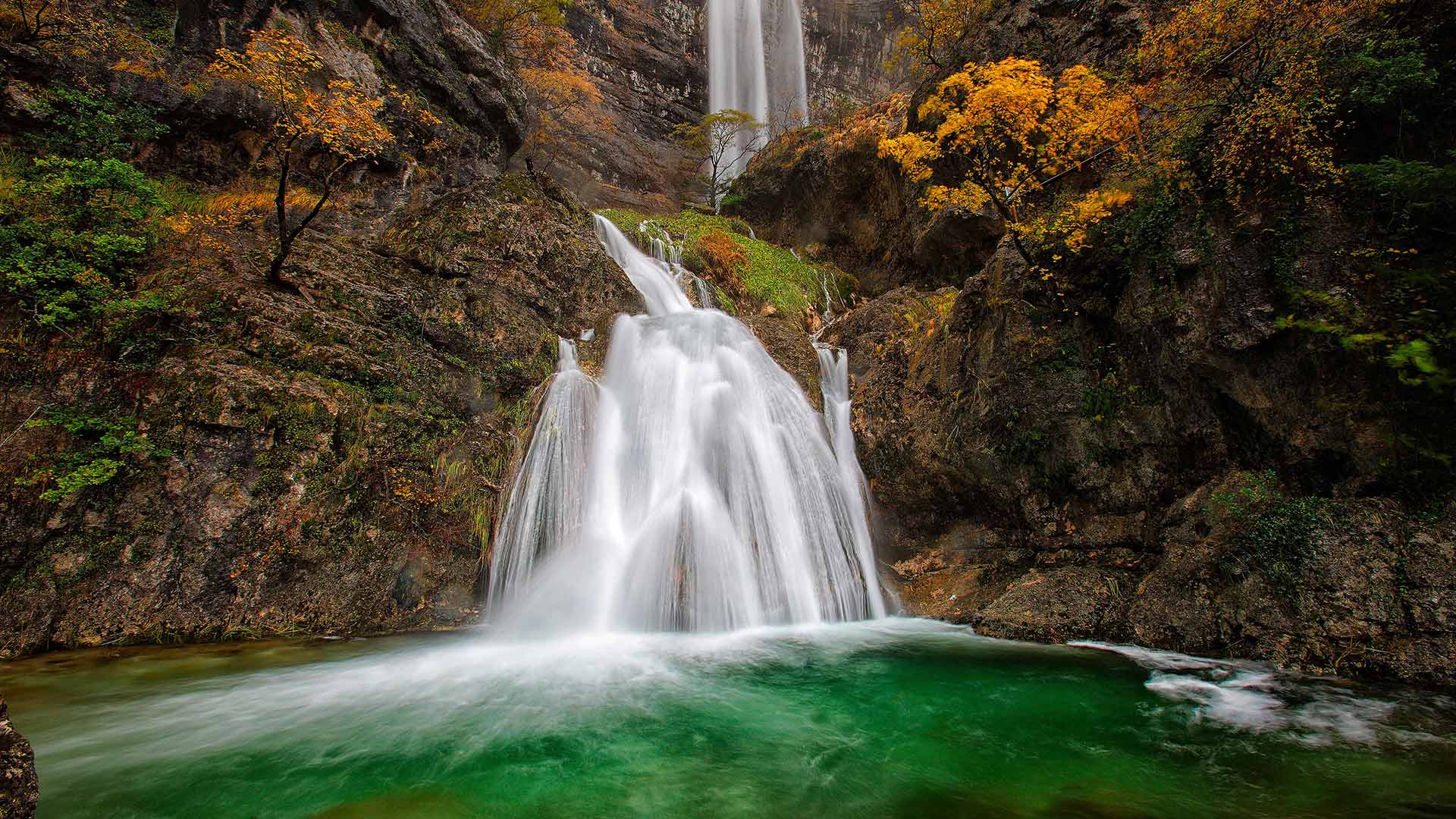
蒙多河源头的瀑布,西班牙阿尔瓦赛特里奥帕尔 (© Westend61/Getty Images)
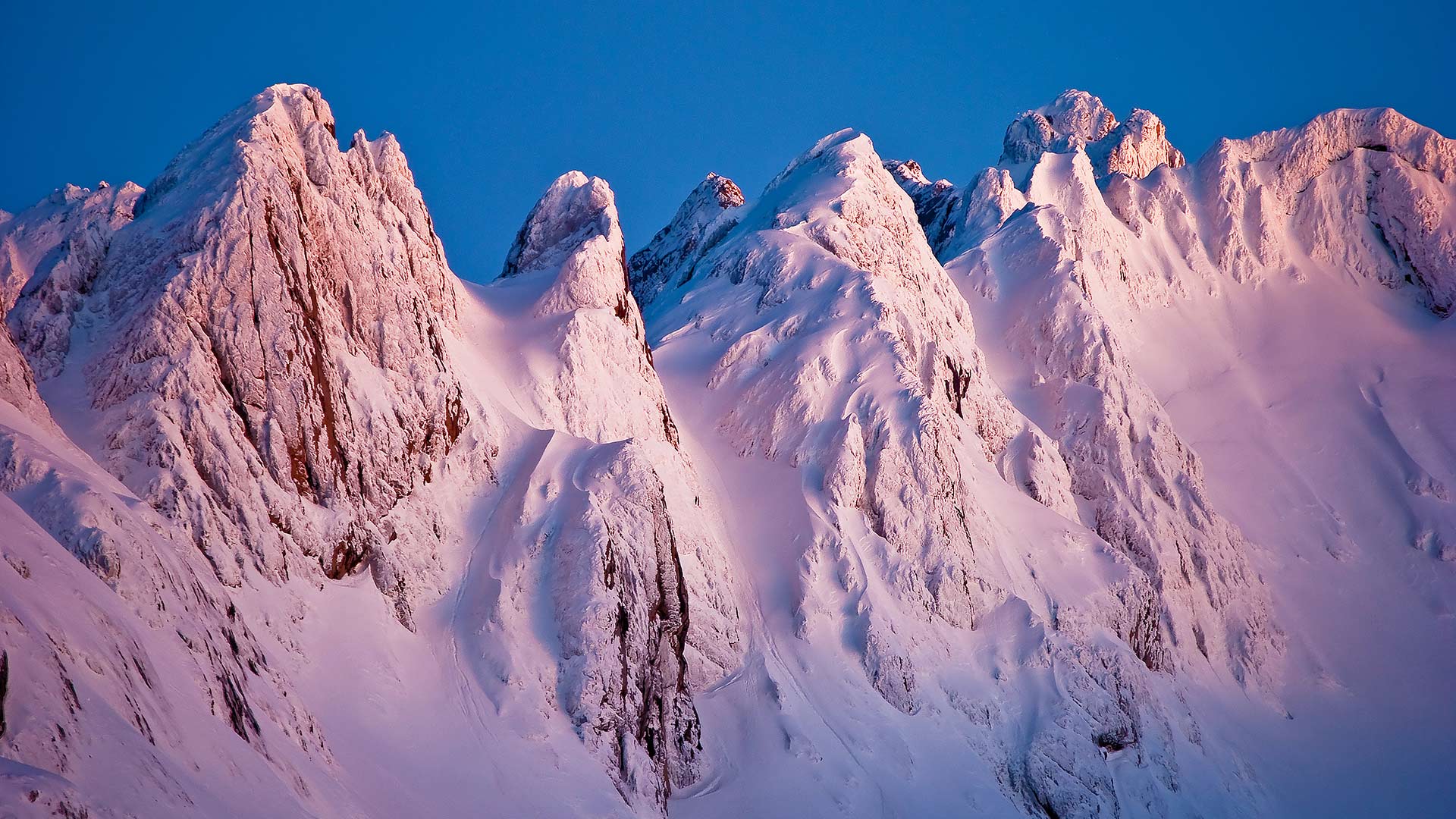
欧罗巴山Los Argaos山脉上的日落,西班牙阿斯图里亚斯 (© jregueiro/Getty Images)
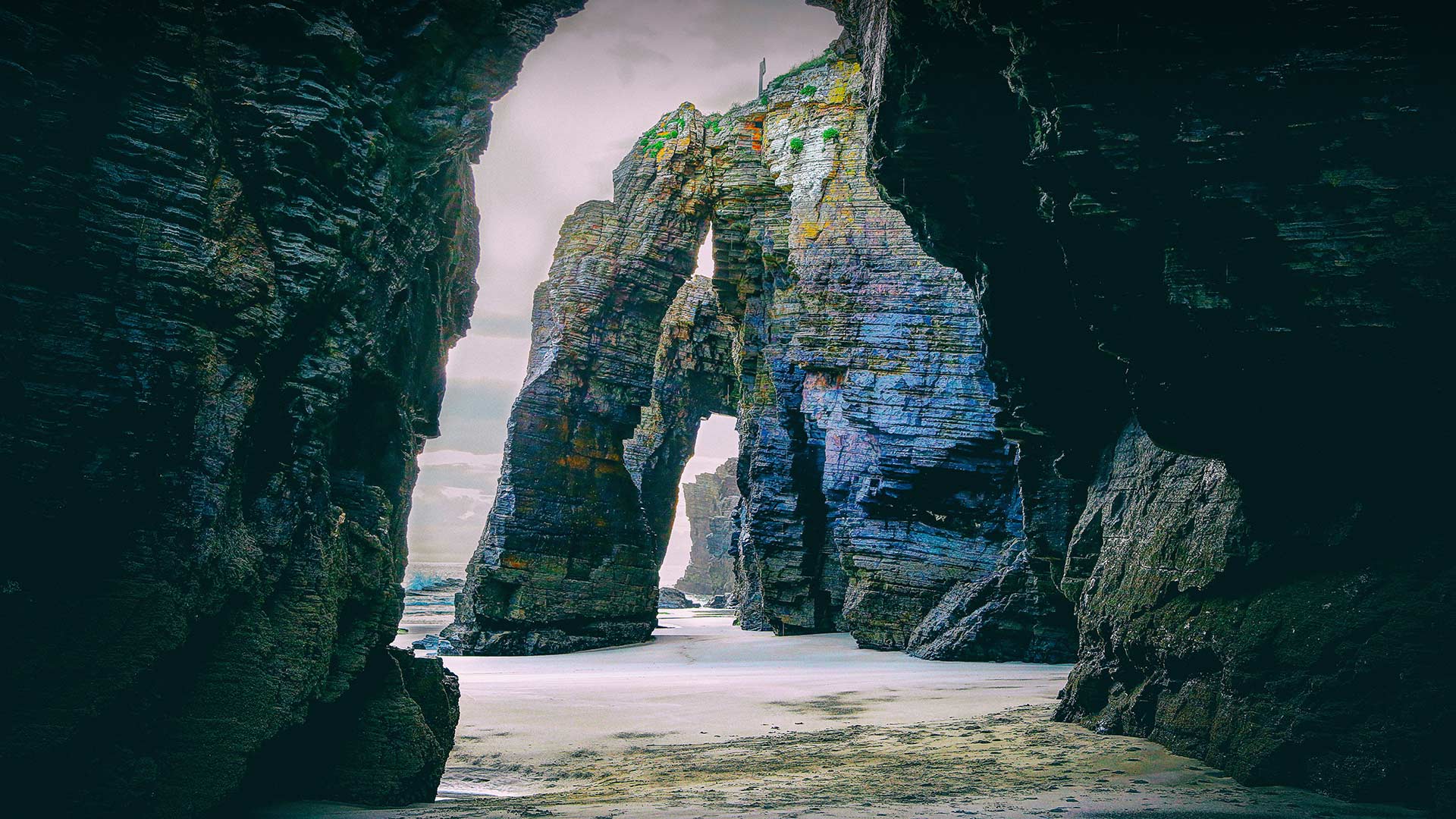
Las Catedrales海滩,西班牙加利西亚 (© Davide Seddio/Getty Images)
西班牙的藏红花 Saffron flowers in Spain (© Juan-Carlos Munoz/Minden Pictures)
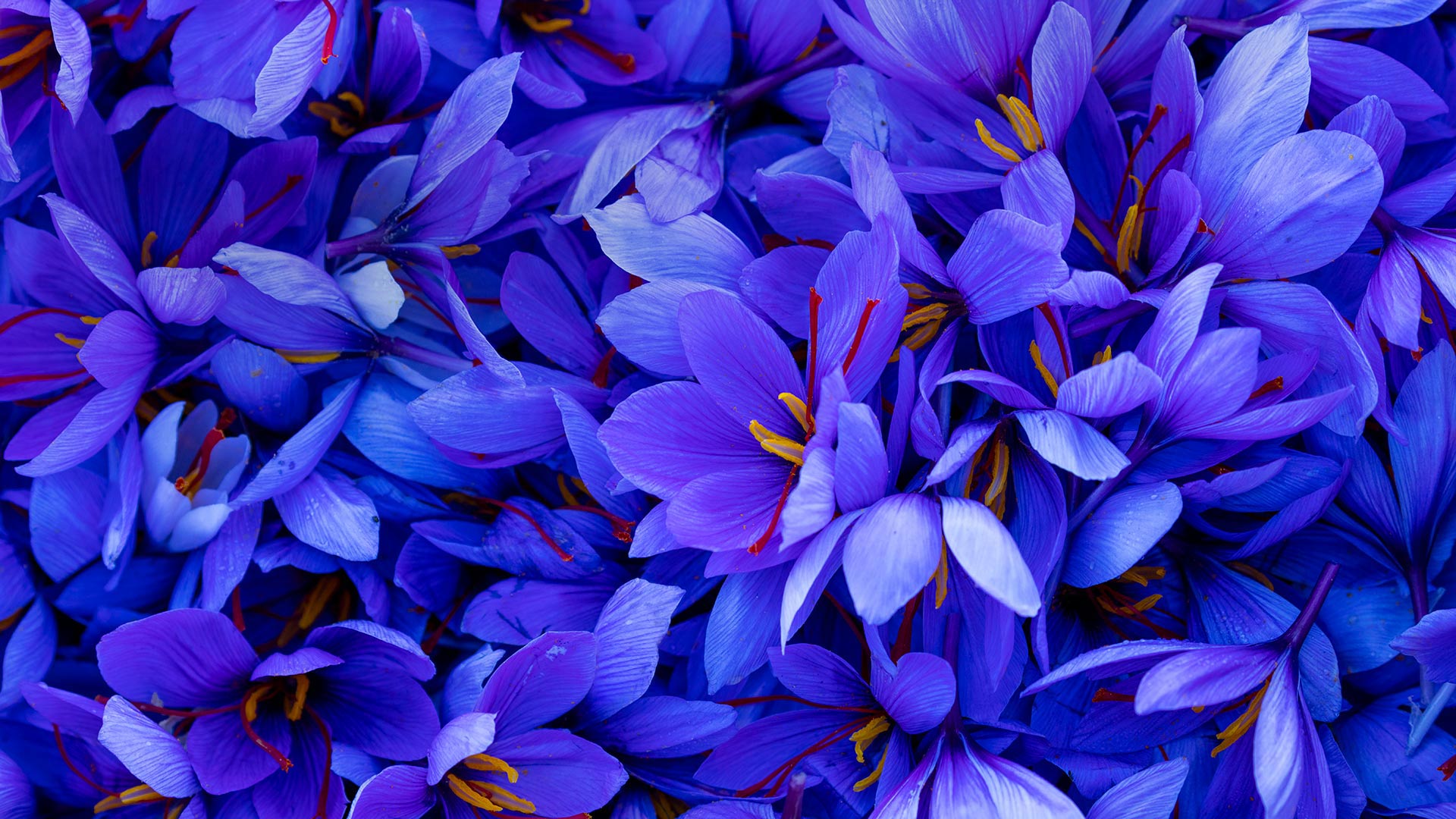
西班牙的藏红花 Saffron flowers in Spain (© Juan-Carlos Munoz/Minden Pictures)
Saffron in bloom
It's harvest time for saffron, the precious seasoning that's mostly grown in Iran, but used in cuisines around the world. Saffron is derived from the saffron crocus, an autumn-flowering plant with purple petals as richly hued as the vivid crimson stigmas (called 'threads') in the center of the bloom. These threads are carefully extracted by hand with tweezers and dried before they're used for cooking. Each flower comes with just three threads, and it takes a lot of them—roughly 75,000 crocuses will yield just one pound of saffron. The entire harvest can last only about a week or two, because that's the short life of the saffron crocus bloom.
This time of year, the small Spanish town of Consuegra celebrates the end of the harvest season. This is home to some of Spain's best-preserved windmills, which traditionally milled the wheat grown in the region. During Consuegra's Festival de la Rosa del Azafrán (Festival of the Rose of Saffron) locals dress in traditional clothing and ceremonially grind some wheat from one of the old windmills. But feasting on regional cuisine is the highlight of the festival, and saffron is at the center of activities, complete with saffron extracting competition. The contest honors the difficulty of picking the threads from the flower.
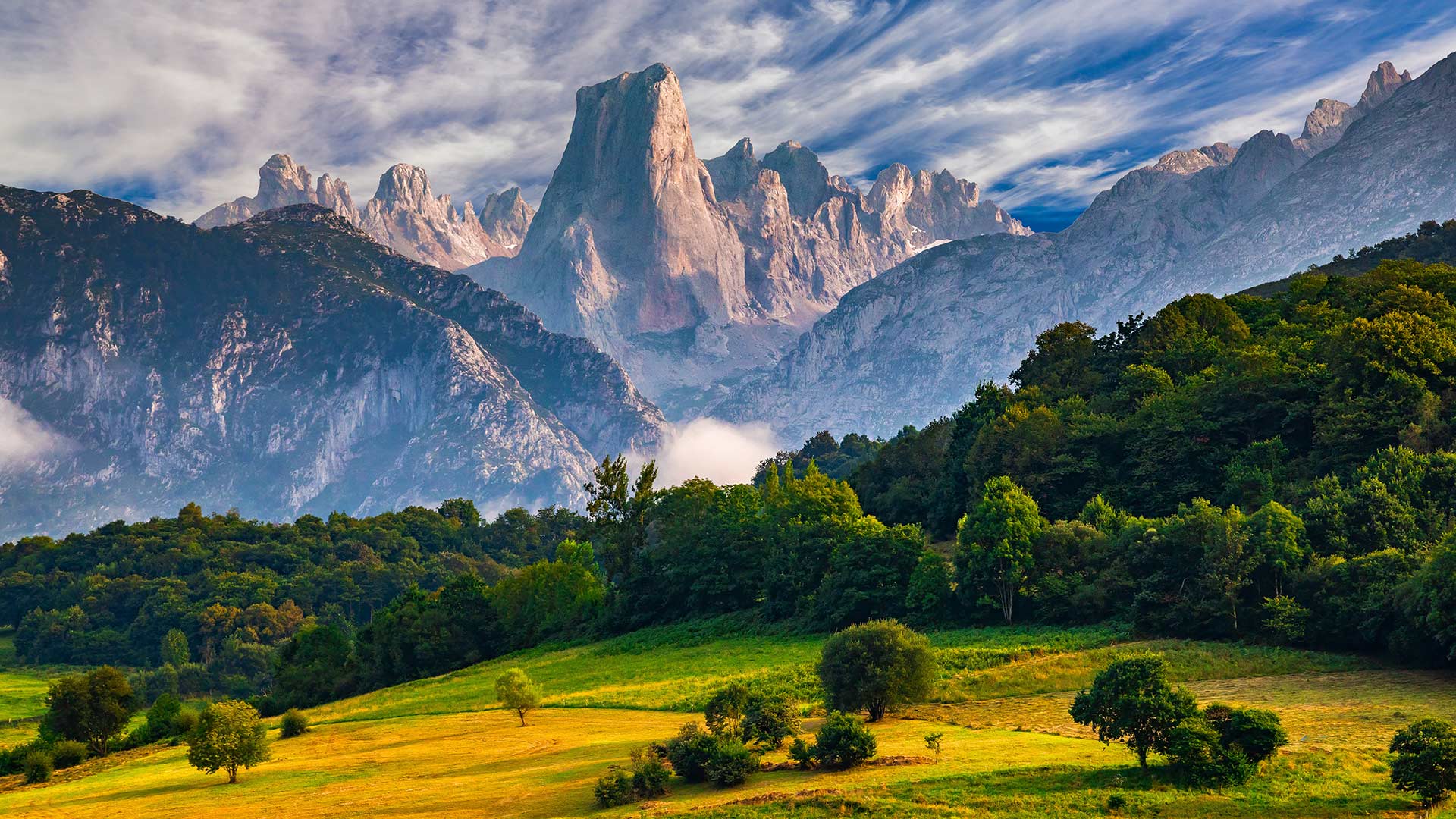
欧罗巴山国家公园中的Naranjo de Bulnes峰,西班牙阿斯图里亚斯 (© Anton Petrus/Getty Images)
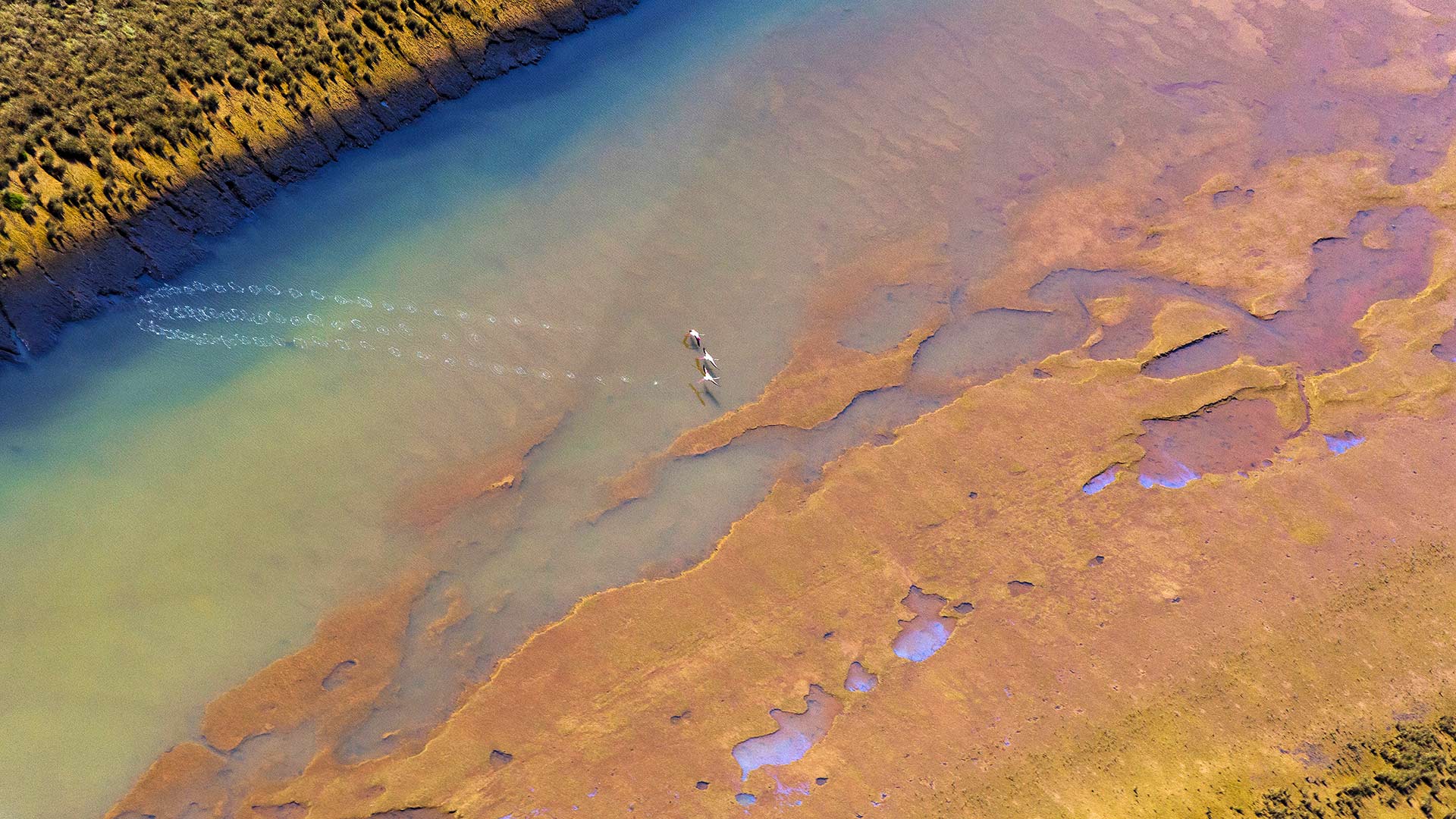
韦尔瓦奥迪尔湿地起飞的三只大红鹳,西班牙安达卢西亚 (© Óscar Díez/Minden Pictures)
西班牙里奥哈区克拉维霍镇附近的秋日景色 Autumnal landscape near the town of Clavijo in Spain's Rioja district (© Olimpio Fantuz/eStock Photo)
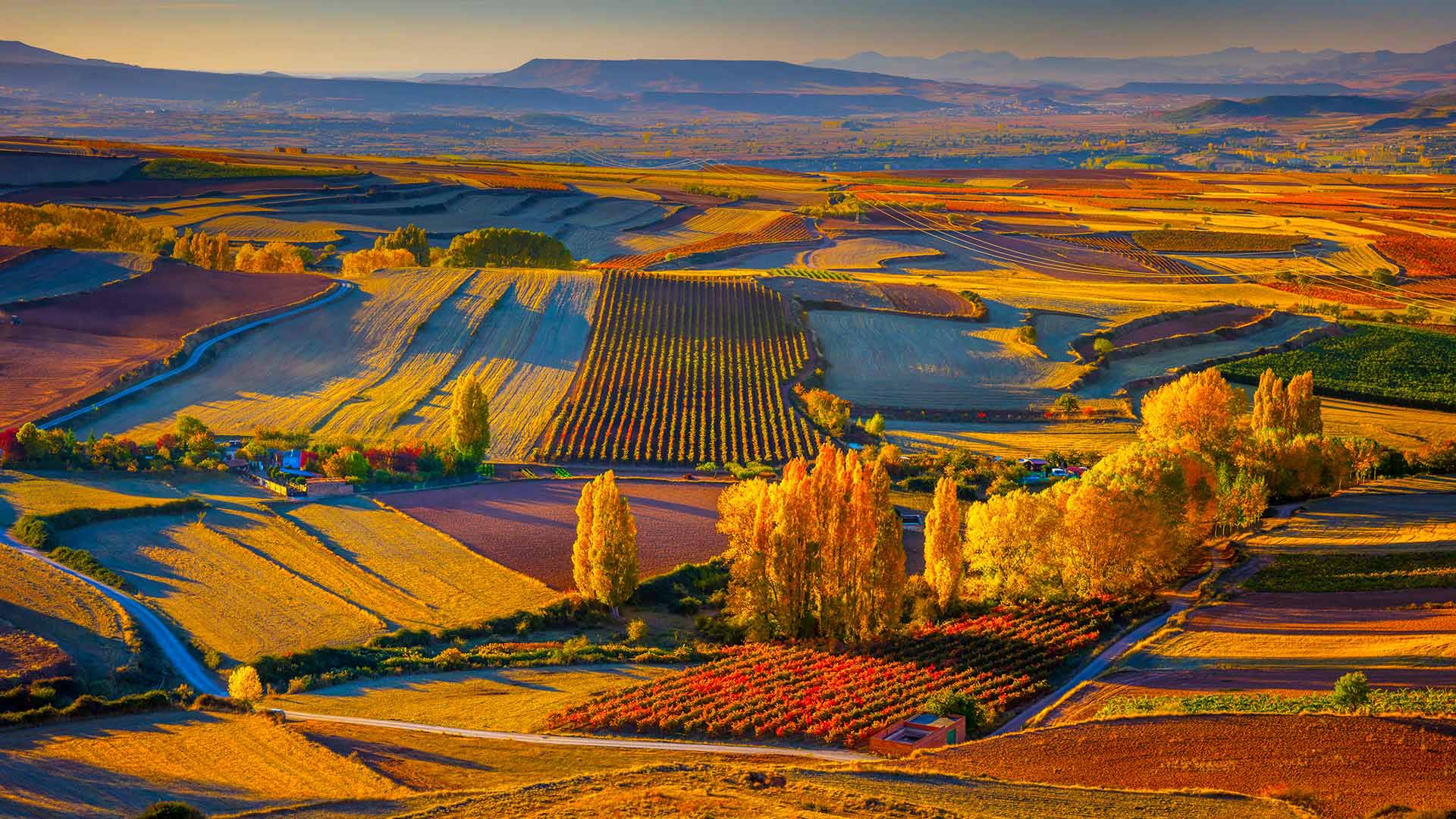
西班牙里奥哈区克拉维霍镇附近的秋日景色 Autumnal landscape near the town of Clavijo in Spain's Rioja district (© Olimpio Fantuz/eStock Photo)
Falling for Rioja
While today's image of beautiful fall colors in Rioja is serene and peaceful, the people of this area are hard at work harvesting grapes at 14,800 different vineyards across the region. And soon the 600 wineries in this smallest Spanish province will begin the lengthy process to turn this year's grape harvest into its world-famous Rioja wines. (To get an idea of how tiny the Rioja province is, it makes up just 1 percent of Spain's land area and only about 0.67 percent of Spain's population lives here.) While winemaking techniques have evolved and improved over the thousands of years that wine has been made here, each year around this time locals and visitors gather in the region's capital of Logroño to celebrate the wine harvest and see a traditional example of the first, uh, step of this process—crushing newly harvested grapes by stomping them with bare feet.
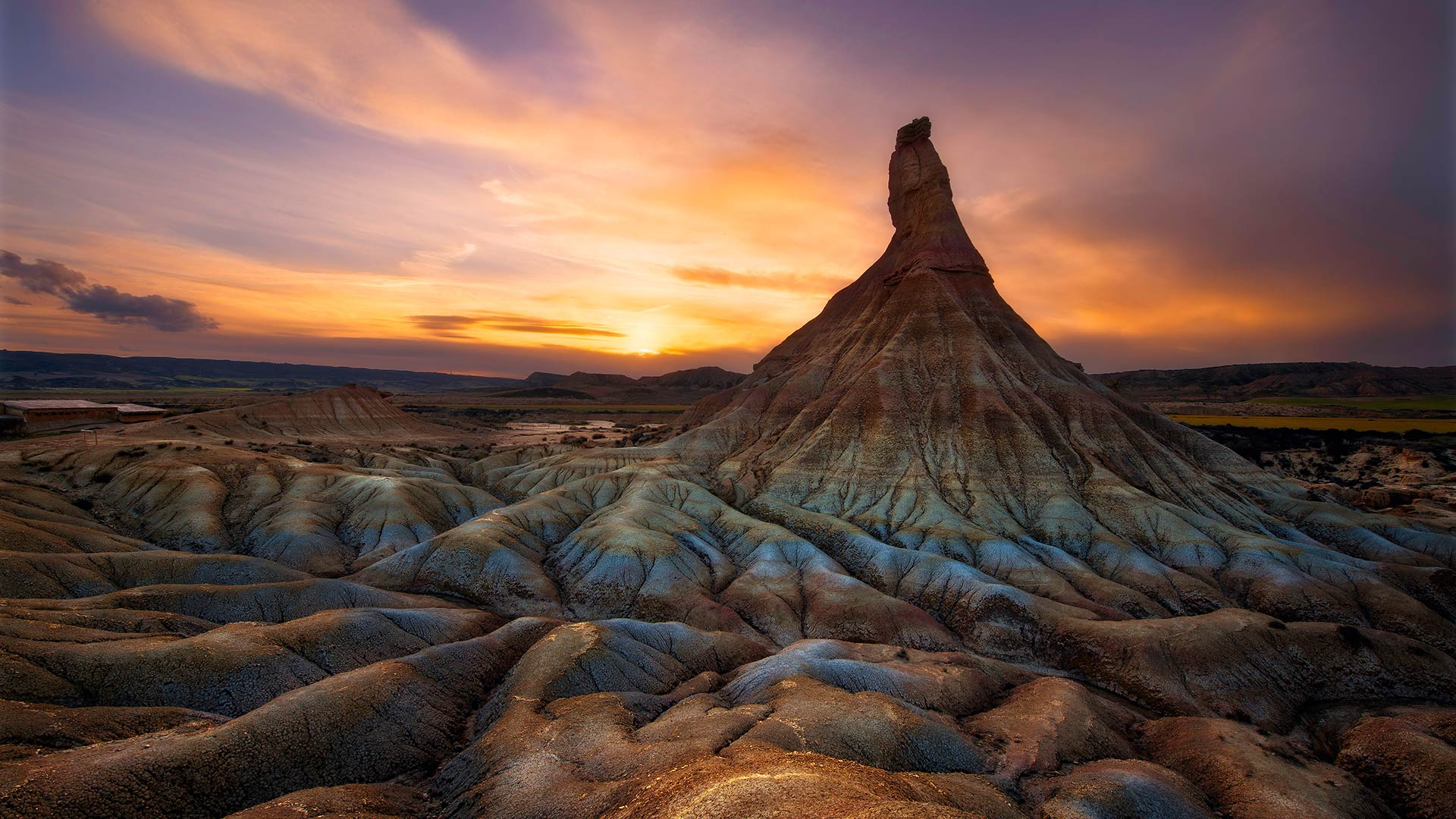
德纳斯雷亚尔斯自然公园Castildetierra上空绚丽的日落,西班牙纳瓦拉 (© Inigofotografia/iStock/Getty Images Plus)
Fireworks during La Merce Festival in Barcelona, Spain (© Lucas Vallecillos/age fotostock)
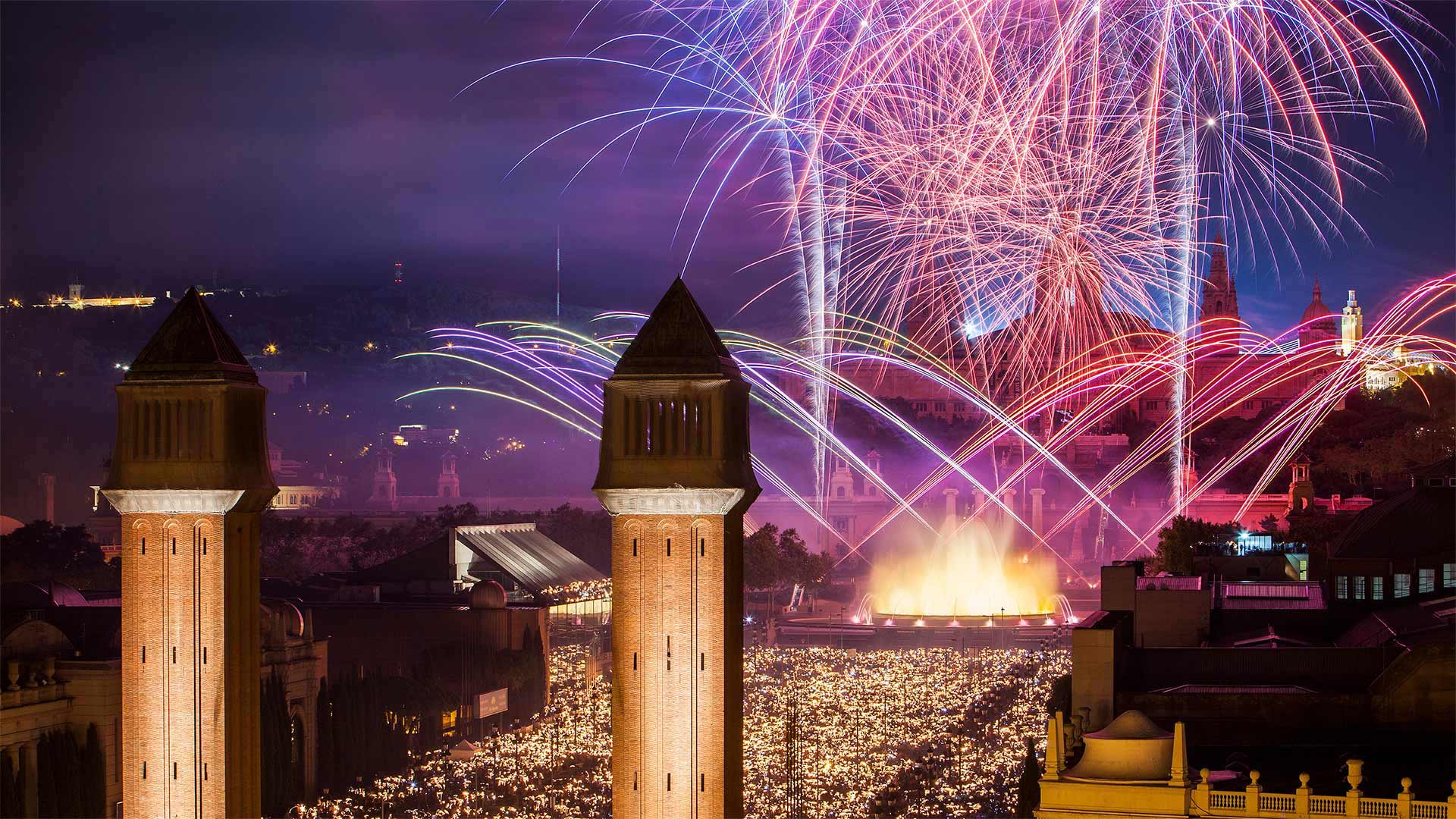
Fireworks during La Merce Festival in Barcelona, Spain (© Lucas Vallecillos/age fotostock)
Barcelona bids farewell to summer
Every year, for four days in September, locals and tourists flock to one of Barcelona’s biggest events, La Mercè Festival. It got its beginnings in 1687 when Barcelona was suffering from a plague of locusts. In desperation, city officials voted to ask for the assistance of the Virgin of Grace (Mare de Déu de la Mercè). Delivered from the pestilence, the officials named her patroness of Barcelona, and an annual festival has been celebrated in her honor in the city ever since.
These days, the multiday celebration is considered a farewell bid to the warmer days of summer. Attracting nearly 2 million people, the event is known for its street theatre, castells (human towers), dancing, musical performances, light projection show, and daily street parades with mythical characters and traditional drumming. At the end of the festival, attendees come out in droves for the pièce de résistance—a musical fireworks display known as ‘piromusical.’
洛斯巴鲁埃科斯自然纪念碑上的白鹳,西班牙卡塞雷斯 White storks at Los Barruecos Natural Monument, Caceres, Spain (© Wild Wonders of Europe/Widstrand/Minden Pictures)
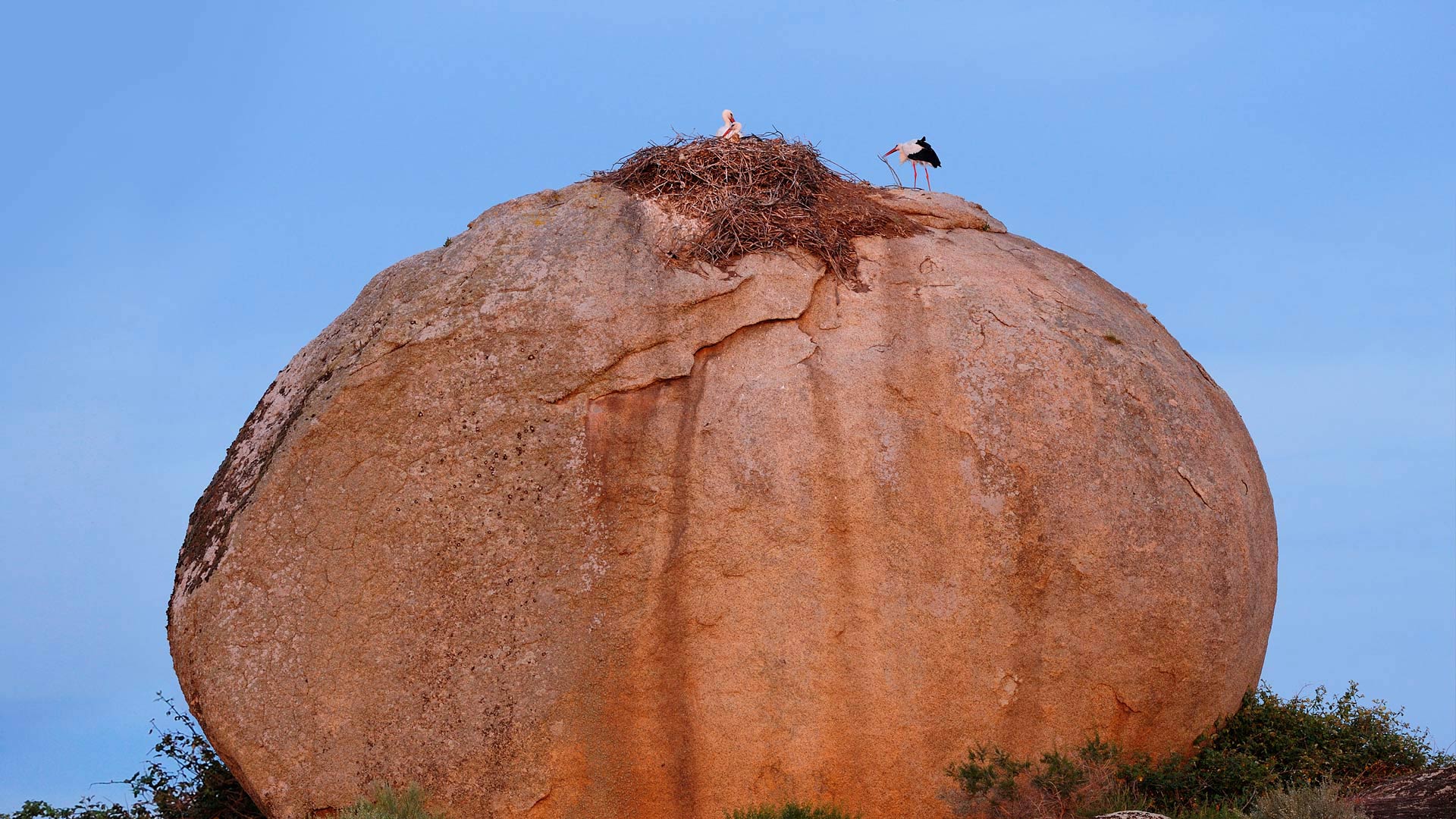
洛斯巴鲁埃科斯自然纪念碑上的白鹳,西班牙卡塞雷斯 White storks at Los Barruecos Natural Monument, Caceres, Spain (© Wild Wonders of Europe/Widstrand/Minden Pictures)
Storks ready for take-off
It's migration season for white storks, shown here tending to a nest at Los Barruecos Natural Monument in Central Spain. This destination is known for large, granite boulders intermixed with sculptures created by local artists—and it's a favorite stork nesting spot. In August and September, white storks depart their nests for a 25-day trip south to their African wintering grounds, where they gather in large flocks. The species returns to Europe again nine months later—hence its unique role in folklore, giving parents a low-stress way to answer the question ‘where do babies come from?'