圣卡塔琳娜拱门,安提瓜,危地马拉 Santa Catalina Arch, Antigua, Guatemala (© Filippo Maria Bianchi/Getty Images)

圣卡塔琳娜拱门,安提瓜,危地马拉 Santa Catalina Arch, Antigua, Guatemala (© Filippo Maria Bianchi/Getty Images)
拱影寻踪 Hidden in plain arch
圣卡塔琳娜拱门,安提瓜,危地马拉
有些建筑的初衷并非为了引人注目,但时间却另有安排。清晨时分,圣卡塔琳娜拱门在危地马拉安提瓜的街道上熠熠生辉,其鲜艳的黄色外墙精准地捕捉着晨光,石板路向前延伸,远方的水火山拔地而起。这座拱门建于17世纪,旨在解决一个实际问题:幽居修女需要在修道院建筑之间穿行,以符合宗教誓约中不被街道行人直视的要求。正是这种对隐私的克制,而非对景观的追求,造就了如今中美洲出镜率最高的地标之一。讽刺的是,这种反差随时间的沉淀而愈发迷人。
安提瓜市本身就体现了这种矛盾性。该市于1979年被列入联合国教科文组织世界遗产名录,在保留其殖民时期方格网街道布局的同时,也承载着多次重塑其地貌的地震印记。从街头望去,这座曾为了“遮掩”而建的建筑,如今却成为了框定整座城市美景的构图框架。火山在后方屹立不动,而拱门依然在履行它始终如一的职责——无论有意与否,静静地连接着历史与现在。
Santa Catalina Arch, Antigua, Guatemala
Some structures weren't meant to stand out—but time had other ideas. At sunrise, the Santa Catalina Arch glows over the streets of Antigua, Guatemala, its yellow facade catching the light just right as cobblestones stretch ahead and Agua Volcano rises in the distance. The arch was built in the 17th century to solve a practical problem: cloistered nuns needed to cross between convent buildings without being seen from the street. Privacy, not postcards, created one of Central America's most photographed landmarks. Irony holds up well over time.
Antigua itself leans into that contradiction. Declared a UNESCO World Heritage Site in 1979, the city preserves its colonial grid while carrying the marks of earthquakes that repeatedly reshaped it. Seen here from the street, this structure built to conceal now frames the city. The volcano holds steady behind it, and the arch keeps doing what it has always done—connecting things quietly, intentionally or not.
阿蒂特兰湖的日出,危地马拉 Sunrise at Lake Atitlán, Guatemala (© shayes17/Getty Images)

阿蒂特兰湖的日出,危地马拉 Sunrise at Lake Atitlán, Guatemala (© shayes17/Getty Images)
远古火山的回响 Echoes of a volcanic past
日出在阿蒂特兰湖,危地马拉
阿蒂特兰湖(Lake Atitlán)坐落于危地马拉西部高地,占据了一处巨大的破火山口。其深蓝色的湖水被陡峭的火山口壁以及阿蒂特兰(Atitlán)、托利曼(Tolimán)和圣佩德罗(San Pedro)这三座锥形火山所环绕。木质码头向静谧的湖面延伸,勾勒出平静水面与火山活动造就的崎岖地形之间的强烈对比。
该湖形成于约 8.4 万年前的一次大规模火山喷发,通常被认为是中美洲最深的湖泊,深度达 1,100 英尺(约 335 米)左右。陡峭的断崖环绕着盆地,将湖水笼罩在一个宏伟的“天然剧场”之中,无声地诉说着其剧烈的爆发式起源。
湖面之下隐藏着拥有 1,500 多年历史的玛雅水下遗址,其中包括暗示了昔日繁荣湖岸文化的祭祀建筑残骸。沿岸的卡克奇克尔(Kaqchikel)和楚图希尔(Tz'utujil)玛雅社群依然传承着他们的语言和纺织传统,其日常生活仍与这片高地景观的律动紧密相连。
Sunrise at Lake Atitlán, Guatemala
Set in Guatemala's western highlands, Lake Atitlán fills a vast volcanic caldera. Its deep blue waters are framed by steep crater walls and the cone-shaped volcanoes Atitlán, Tolimán, and San Pedro. Wooden piers stretch into the still lake, emphasizing the contrast between its calm surface and the rugged terrain shaped by volcanic activity.
Formed about 84,000 years ago after a massive eruption, the lake is often considered the deepest in Central America, reaching depths of roughly 1,100 feet. Steep escarpments encircle the basin, enclosing the water in a dramatic natural amphitheater that echoes its explosive origins.
Beneath the surface lie traces of submerged Maya sites more than 1,500 years old, including remnants of ceremonial structures that hint at a once-thriving lakeside culture. Along the shore, Kaqchikel and Tz'utujil Maya communities continue to preserve their languages and weaving traditions, their daily lives still closely tied to the rhythms of this highland landscape.
蒂卡尔的玛雅遗址,危地马拉 Mayan ruins in Tikal, Guatemala (© THP Creative/Getty Images)
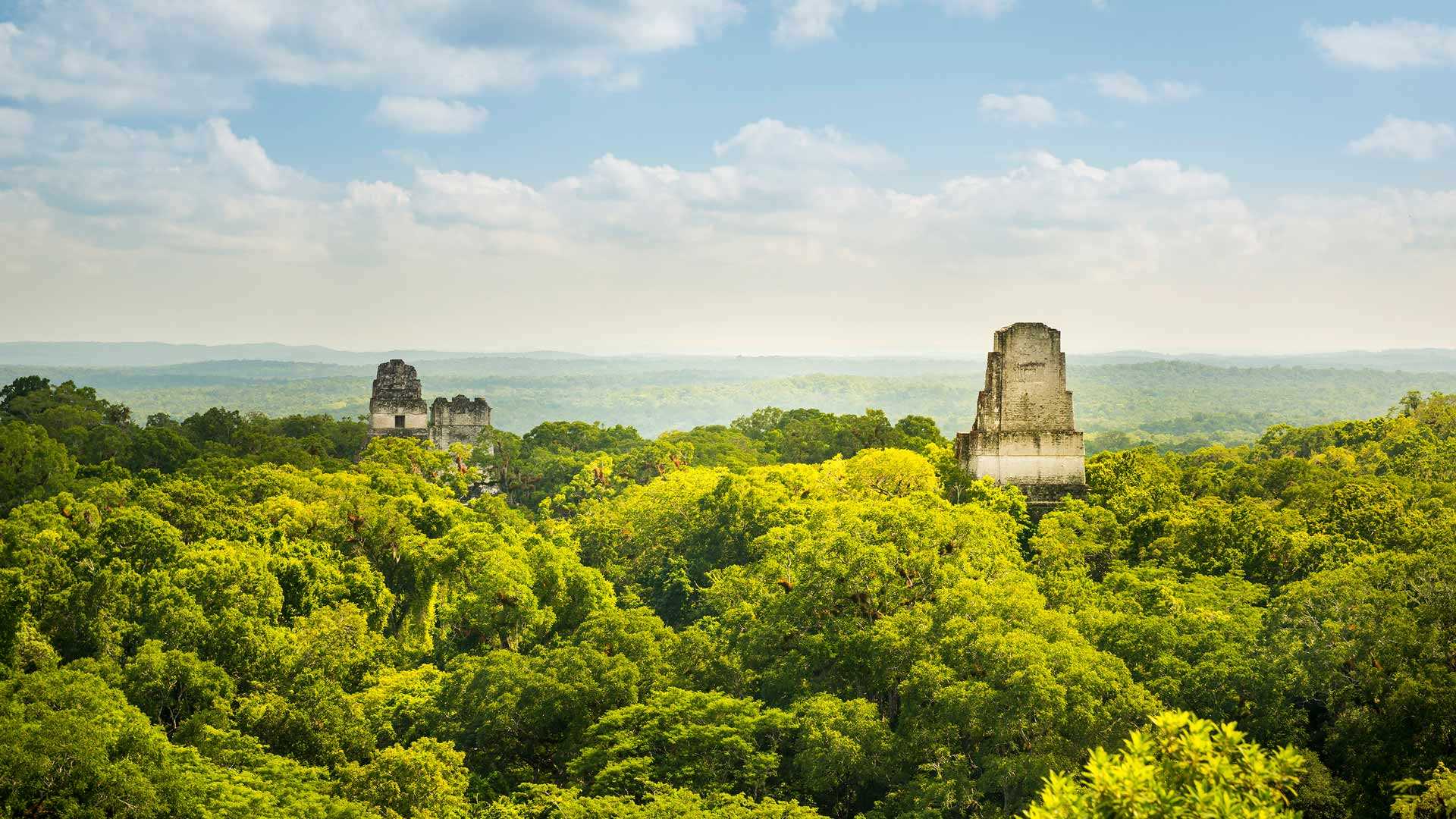
蒂卡尔的玛雅遗址,危地马拉 Mayan ruins in Tikal, Guatemala (© THP Creative/Getty Images)
原力与你同在 May the 4th be with you
星球大战日
原力与你同在!星战宇宙在几十年来一直牵动着影迷的想象力,今天是纪念星球大战的影响力的日子,就像原力一样,在我们身边随处可见。1977年上映的首部星球大战电影将我们带到了一个遥远的星系,让我们认识了一群令人难忘的角色、以及原力光明面和黑暗面之间扣人心弦的战斗。星球大战已经扩展到了电视剧、书籍、漫画、游乐园以及你可以想象到的任何一种产品。
影迷可能会觉得危地马拉的蒂卡尔古城玛雅遗迹和《星球大战:新希望》中的亚汶四号卫星的反叛军基地非常像。这些现实中的神庙就是电影中亚汶战役的取景地。亚汶战役在星战故事线中有着转折性的意义,星战宇宙中的历法被分为ABY和BBY,也就是亚汶战役前和亚汶战役后。
Star Wars Day
May the Fourth be with you! The 'Star Wars' universe has captured the imagination of fans for decades and its impact, like the 'Force,' is all around us. The original 1977 film introduced us to a galaxy far, far away, a cast of unforgettable characters, and a gripping battle between good and evil. Its reach has since extended to television, books, comics, theme parks, thousands of products, and a day of its own to celebrate the much-loved sci-fi franchise.
Fans might recognize today's image of the Mayan ruins in Tikal, Guatemala, as the rebel base on Yavin 4 from 'Star Wars: A New Hope.' These real-life temples served as a key setting in the cinematic Battle of Yavin, a fight so pivotal in the 'Star Wars' storyline that calendar years in the universe are called ABY or BBY: After the Battle of Yavin or Before the Battle of Yavin.
Semuc Champey自然公园,危地马拉 Semuc Champey nature park in Guatemala (© Joel Sharpe/Getty Images)
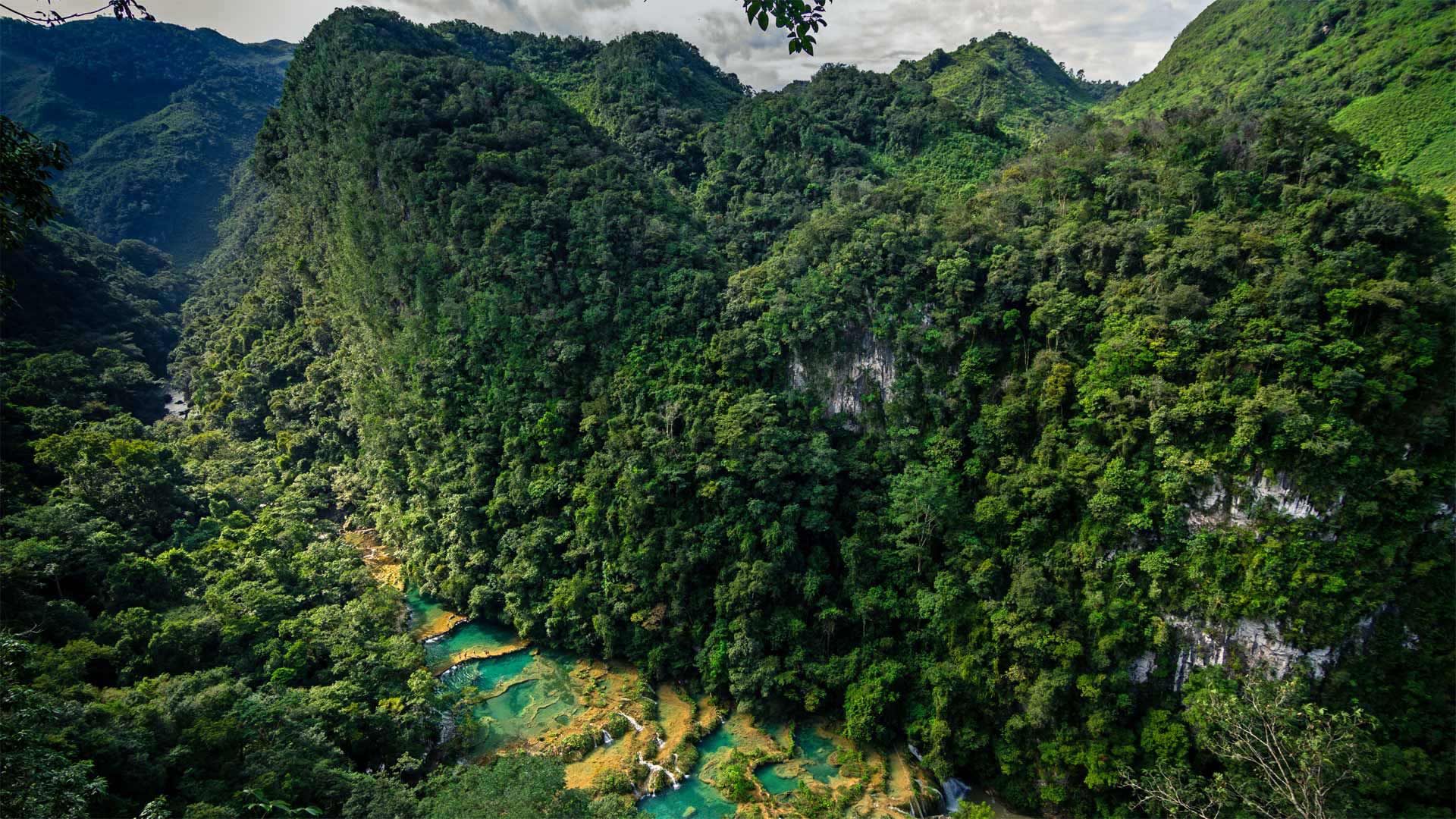
Semuc Champey自然公园,危地马拉 Semuc Champey nature park in Guatemala (© Joel Sharpe/Getty Images)
Staircase of turquoise pools
While it's snowy and cold in much of the Northern Hemisphere this time of year, December and January are popular months to visit Guatemala, where the skies are clear, but everything is still green and lush from autumn rains. Nestled in the Guatemalan jungle, Semuc Champey is a hotspot for adventurous tourists. Its name means 'where the river hides under the stones' in Qʼeqchi', a Mayan language spoken by local communities.
Our image showcases the 980-foot natural limestone bridge that crosses over the Cahabón River. Atop the bridge lies a series of stepped turquoise pools—it's a paradise of swimming holes for those intrepid enough to reach this remote locale. Truth be told, word has gotten out that Central Guatemala is an up-and-coming tourist destination, with its stunning natural areas, Mayan ruins, and highland regions. Maybe it's time to plan a trip.