马尔萨什洛克港口五彩斑斓的渔船,马耳他 Colorful boats in Marsaxlokk Harbor, Malta (© Klubovy/Getty Images)

马尔萨什洛克港口五彩斑斓的渔船,马耳他 Colorful boats in Marsaxlokk Harbor, Malta (© Klubovy/Getty Images)
色彩鲜艳的船只,历久弥新的传统 Bright boats, timeless traditions
马尔萨什洛克港口五彩斑斓的渔船,马耳他
色彩斑斓的“卢祖”(luzzu)——即马耳他的传统渔船——停满了马萨什洛克(Marsaxlokk)那避风港湾的水面;这座村庄坐落于马耳他东南沿海,距离首都瓦莱塔仅需短途车程。作为该国主要的渔业中心之一,这里的生活节奏始终与大海的律动保持着和谐的步调。村庄约有4000名居民,并以其充满活力的滨海区域而闻名——尤其是广受欢迎的周日鱼市,以及每天清晨满载新鲜渔获归来的船只。
“卢祖”(luzzu)这种传统船只适应了当地水域的特性,至今仍在使用。它们漆成鲜艳的蓝、黄、红、绿等色调,在港口内密集排列。每艘船的船头都绘有一对眼睛——这一源自古代地中海传统的图案,被认为能保佑水手在海上航行平安。这些船只共同构成了一道既实用又极具视觉冲击力的风景。
Colorful boats in Marsaxlokk Harbor, Malta
Colorful luzzus—traditional Maltese fishing boats—fill the sheltered harbor of Marsaxlokk, a village on Malta's southeastern coast. Just a short drive from Valletta, the island's capital, it remains one of the country's main fishing hubs, where daily life follows the steady pace of the sea. Home to roughly 4,000 residents, the village is also widely known for its lively waterfront, especially its popular Sunday fish market, and for the steady return of boats carrying fresh catches each morning.
The luzzus are adapted to local waters and remain in active use today. Painted in bright shades of blue, yellow, red, and green, they line the harbor in tight clusters. Each bears a pair of painted eyes on the bow—a symbol rooted in ancient Mediterranean traditions, believed to protect sailors at sea. Together, they create a scene that is as practical as visually striking.
马尔萨什洛克港口五彩斑斓的渔船,马耳他 Helsinki's shoreline during blue hour, Uusimaa, Finland (© Klubovy/Getty Images)

马尔萨什洛克港口五彩斑斓的渔船,马耳他 Helsinki's shoreline during blue hour, Uusimaa, Finland (© Klubovy/Getty Images)
色彩鲜艳的船只,历久弥新的传统 Daughter of the Baltic
马尔萨什洛克港口五彩斑斓的渔船,马耳他
色彩斑斓的“卢祖”(luzzu)——即马耳他的传统渔船——停满了马萨什洛克(Marsaxlokk)那避风港湾的水面;这座村庄坐落于马耳他东南沿海,距离首都瓦莱塔仅需短途车程。作为该国主要的渔业中心之一,这里的生活节奏始终与大海的律动保持着和谐的步调。村庄约有4000名居民,并以其充满活力的滨海区域而闻名——尤其是广受欢迎的周日鱼市,以及每天清晨满载新鲜渔获归来的船只。
“卢祖”(luzzu)这种传统船只适应了当地水域的特性,至今仍在使用。它们漆成鲜艳的蓝、黄、红、绿等色调,在港口内密集排列。每艘船的船头都绘有一对眼睛——这一源自古代地中海传统的图案,被认为能保佑水手在海上航行平安。这些船只共同构成了一道既实用又极具视觉冲击力的风景。
Helsinki, Uusimaa, Finland
Finland is famous for the northern lights, its high happiness rankings, saunas, and thousands of lakes. Helsinki adds history, design, and the Baltic Sea to that list. The story begins in 1550, when King Gustav I of Sweden founded a trading town that would become Finland's capital in 1812. Today, a walk through the city can take you from Senate Square and the white-domed Helsinki Cathedral to the sea fortress of Suomenlinna, a UNESCO World Heritage Site accessible by ferry.
Over 70% of Helsinki's 265-square-mile area is water. The city stretches across more than 300 islands, giving residents easy access to parks, forests, and the shoreline. Visiting in autumn? You're in luck. The surrounding forests offer bilberries, lingonberries, and mushrooms that people can forage under Finland's Everyman's Right. If you work up an appetite, try karjalanpiirakka (Karelian pies), creamy salmon soup, or a warm cinnamon bun with coffee. Watch out for the trams and cyclists. And if someone lends a hand, 'kiitos'—thank you—goes a long way.
苏梅岛的港口和长尾船, 泰国 Harbor and longtail boats at Ko Samui, Thailand (© Foto2rich/Shutterstock)

苏梅岛的港口和长尾船, 泰国 Harbor and longtail boats at Ko Samui, Thailand (© Foto2rich/Shutterstock)
漂浮的传承 Floating legacies
苏梅岛的港口和长尾船, 泰国
别被远看时苏梅岛长尾船朴素的外表所迷惑,这些修长的船身凝聚了当地数十年的巧思。它们在泰语中被称为“RueaHangYao”,诞生于20世纪初,当时渔民将汽车发动机改装成动力,用以穿行于大型船只难以进入的浅水海域。每一艘长尾船都由工匠一块木板一块木板手工打造,承载着代代相传的技艺。船体上色彩大胆而醒目,船头常装点着彩布与鲜花——这些象征佛教祝福的装饰,寓意守护船只与船员一路平安。
在度假村、海滩俱乐部和夜生活改变海岸线之前,苏梅岛的繁荣源于椰林种植、渔业以及连接周边岛屿的贸易航线。千余年来,木船在清晨载着渔民出海,也在岛屿之间往返运送一个个家庭。如今,它们同样载着游客前往珊瑚礁、水上集市和隐秘海滩,让人近距离感受苏梅岛的水上脉络。
黄昏降临,港湾渐渐慢了下来。缆绳吱呀作响,渔网被一张张收拢,船只依次归航。苏梅岛的历史并未被封存在博物馆里——它轻轻漂浮在水面上,等待天色再亮,重新启航,继续承载这座岛屿的日常与生命。
Harbor and longtail boats at Ko Samui, Thailand
Do not be fooled by how simple Ko Samui's longtail boats look from a distance; decades of local ingenuity have shaped their slender frames. These vessels, known in Thailand as 'ruea hang yao,' emerged in the early 20th century, when fishermen repurposed vehicle engines to navigate shallow waters that larger boats couldn't reach. Handcrafted plank by plank, each boat reflects generations of skill. Their hulls burst with bold, striking colors, while decorative cloth and flowers often crown the bows—Buddhist blessings meant to safeguard both the boat and its crew.
Long before resorts, beach clubs, and nightlife transformed its shores, Ko Samui thrived on coconut farming, fishing, and trade routes linking neighboring islands. For over a thousand years, wooden boats have carried families between islands and fishermen at dawn. Today, they also ferry visitors to coral reefs, floating markets, and secret beaches, offering an intimate glimpse into Samui's waterways.
At dusk, the harbor slows. Ropes creak and nets are folded as boats return, one by one. Ko Samui's history isn't locked in museums—it floats gently on the water, ready to rise at first light to carry the island's life forward once more.
弗拉维亚港, 苏尔西斯-伊格莱西恩特, 撒丁岛, 意大利 Porto Flavia, Sulcis-Iglesiente, Sardinia, Italy (© Marco Bottigelli/Getty Images)
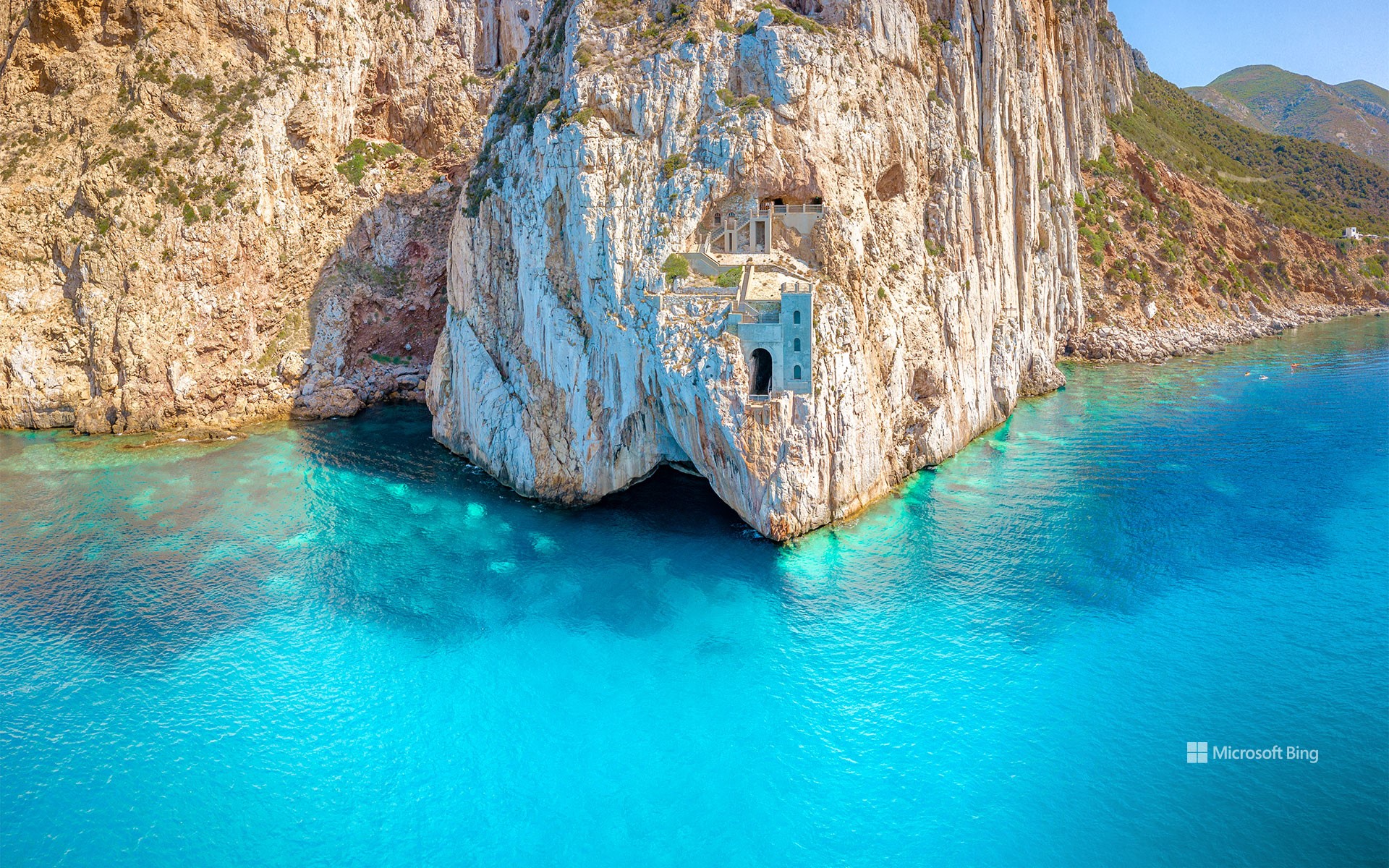
弗拉维亚港, 苏尔西斯-伊格莱西恩特, 撒丁岛, 意大利Porto Flavia, Sulcis-Iglesiente, Sardinia, Italy (© Marco Bottigelli/Getty Images)
矿石与传奇 Ore and more
弗拉维亚港, 苏尔西斯-伊格莱西恩特, 撒丁岛, 意大利
大多数港口依赖延伸至海岸线的码头与吊车来进行货物装载,而波尔图弗拉维亚则完全反其道而行之。这一工程奇迹将一座石灰岩峭壁变成了撒丁岛矿石产业的门户。苏尔西斯-伊格莱西恩特的采矿历史可以追溯至几千年前,从腓尼基人、古罗马人一直延续到 20 世纪的工业繁荣时期。这里曾大量开采铅、锌、煤、硫磺、重晶石和银等矿产。但运输这些矿物却是一场噩梦:矿石需先用推车运至小船,再从小船转运至大型货船,过程缓慢、成本高昂、效率低下。
1924 年,意大利工程师切萨雷·维切利彻底改变了该地区的矿石运输方式。他将波托弗拉维亚设计成一套嵌入石灰岩峭壁的隧道和筒仓系统,使矿石能直接装入停靠在悬崖下的货船。该设施由两层隧道构成:上层设有9个矿石储仓,可容纳多达11000短吨的矿石。矿石通过重力滑道运至下层隧道,然后由传送带直接装上等候的船只。该港口以维切利的女儿弗拉维亚命名,一直使用到 20 世纪中叶采矿业衰落。如今,游客可以探索其隧道、巨大料仓,以及曾有船只停靠的装载平台,感受那曾将撒丁岛矿产送往世界各地的海风。
Porto Flavia, Sardinia, Italy
Most ports rely on docks and cranes that extend into the shoreline. Porto Flavia on the Italian island of Sardinia took a completely different approach. This engineering marvel transformed a cliff into a gateway for Sardinia's ore industry. Mining in the area has a history dating back thousands of years, from the Phoenicians and Romans to the industrial boom in the 20th century. Lead, zinc, coal, sulfur, barium, and silver were extracted from these rugged hills, but transporting them was a logistical nightmare. Ore had to be hauled by cart, loaded onto small boats, and then transferred to larger ships—a slow, costly, and inefficient process.
In 1924, Italian engineer Cesare Vecelli revolutionized ore transport in the region. He designed Porto Flavia as a system of tunnels and silos carved into a limestone cliff, allowing ore to be loaded directly onto cargo ships. The facility featured two stacked tunnel levels. The upper level could store up to 11,000 short tons of ore in nine reservoirs. Gravity-fed chutes transported the ore to the lower level, where a conveyor belt loaded it directly onto waiting ships. The port, named after Vecelli's daughter, Flavia, remained in use until mining declined in the mid-20th century. Today, visitors can explore its tunnels, massive silos, and the platform where ships once docked—soaking in the same sea breeze that once carried Sardinia's minerals to markets worldwide.
锡特卡的港口,阿拉斯加 View of the harbor in Sitka, Alaska (© Blaine Harrington III/Alamy)
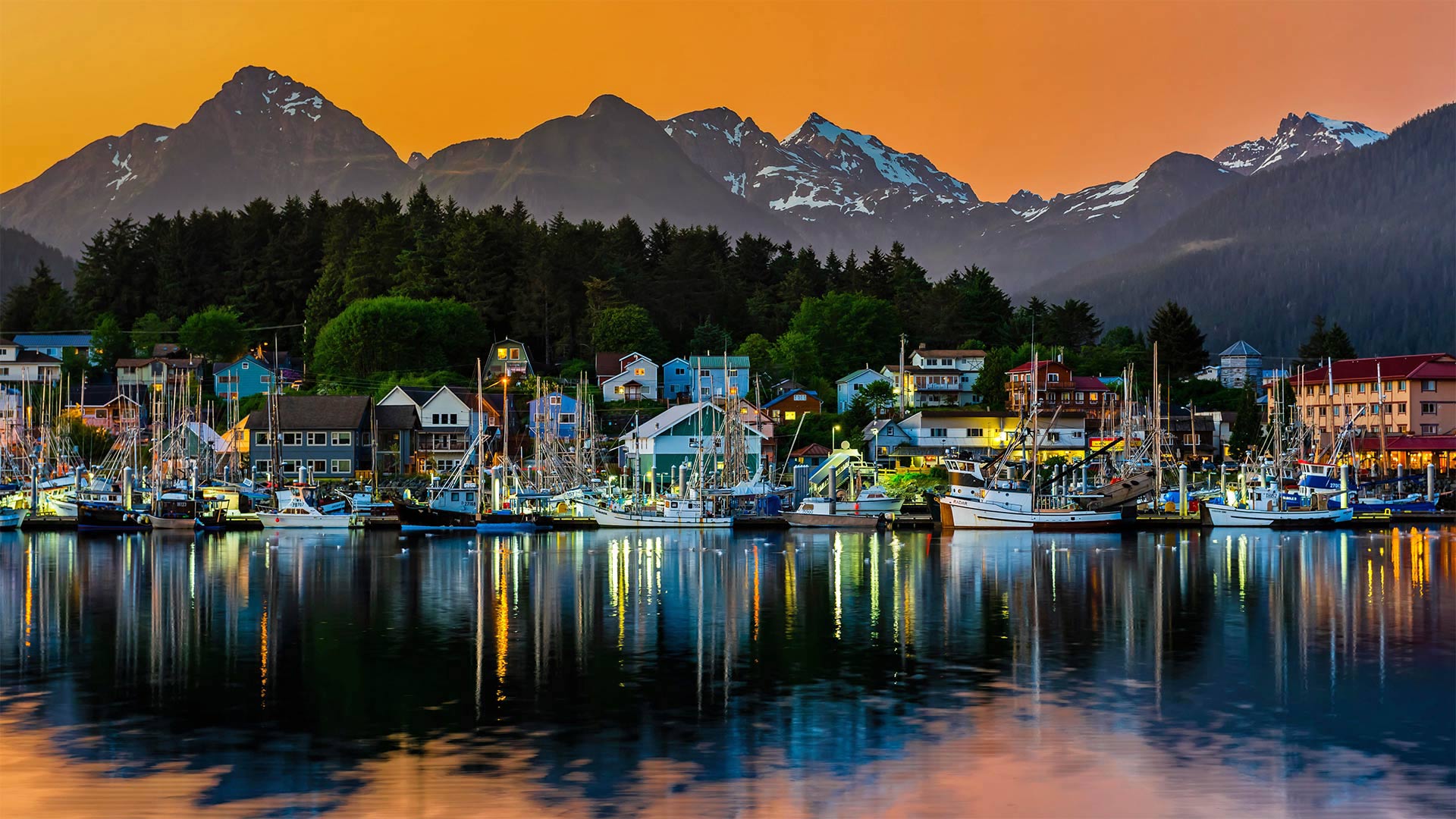
锡特卡的港口,阿拉斯加 View of the harbor in Sitka, Alaska (© Blaine Harrington III/Alamy)
Sitka shines on Alaska Day
In honor of Alaska Day, we're in the harbor of Sitka, Alaska, the former capital of Russian America in the early 19th century, when it was called Novo-Arkhangelsk. It was here on this day in 1867 that officials of the Russian Empire formally transferred the Territory of Alaska to the United States in a sale for $7.2 million, or just around 2 cents per acre. It seems an astonishingly small price today, but at the time, opponents called it 'Seward's Folly' after then-Secretary of State William H. Seward, who negotiated the deal. Few Americans moved to the 'Last Frontier' at first, but in the 1890s, when gold was discovered in the Yukon and Alaska, a rush of prospectors and others began a wave of settlers in the territory. Ever since, Alaska, with its vast natural resources and staggering beauty, has been a prized American domain and an enduring symbol of American wilderness.