大运河,威尼斯,意大利 Grand Canal in Venice, Italy (© Juan Romero/Cavan Images)
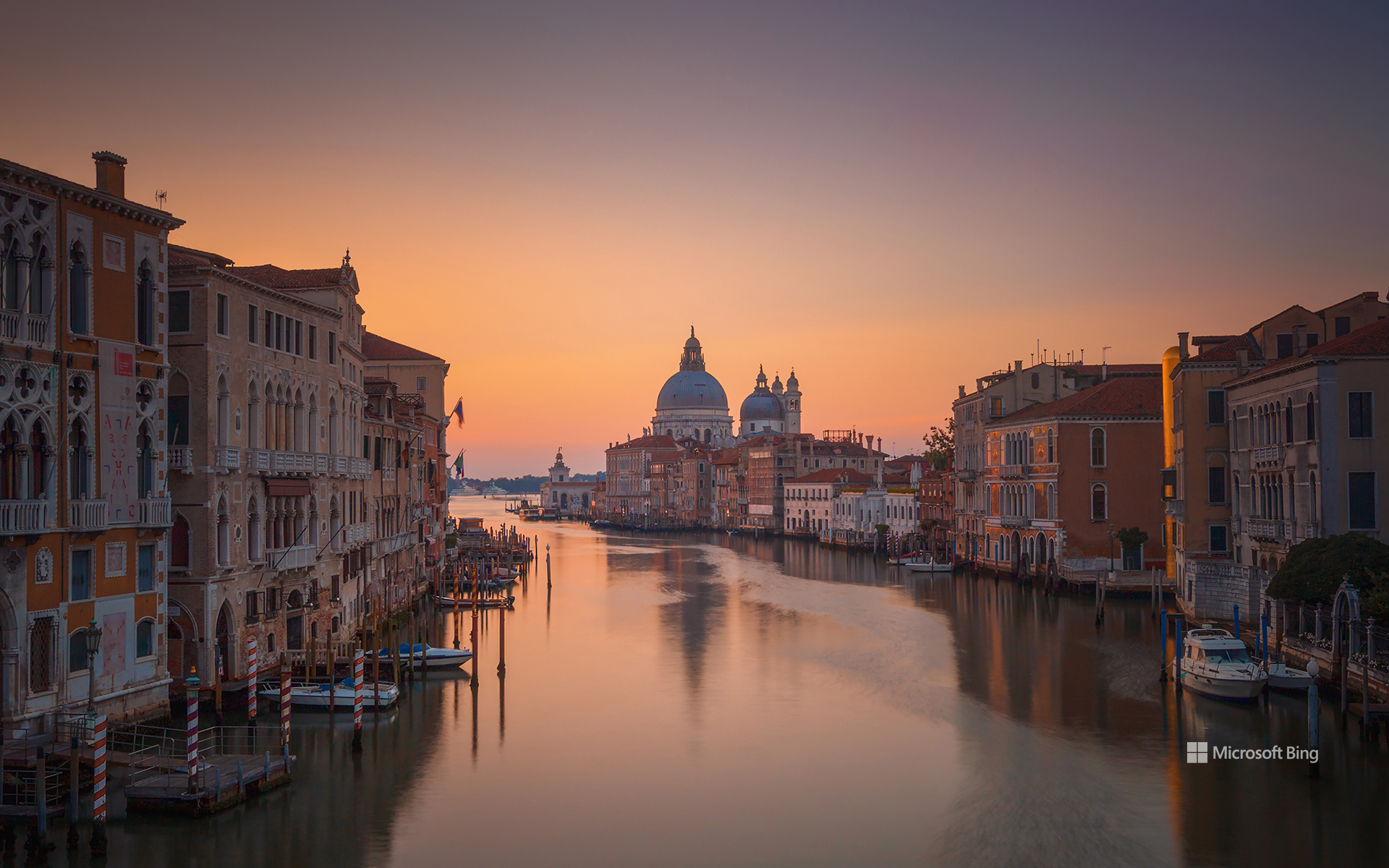
大运河,威尼斯,意大利 Grand Canal in Venice, Italy (© Juan Romero/Cavan Images)
水上通衢 The road that runs on water
威尼斯大运河,意大利
如果一座城市最繁忙的街道根本没有路,会是什么样?在意大利威尼斯,交通沿着大运河往来。这条长2.4英里的水道以巨大的反S形蜿蜒穿过城市。当地人称它为“大运河”,它是威尼斯主要的水上交通通道,水上巴士、水上出租车、贡多拉、警用艇和其他船只都在此穿行。大运河沿着一条古河道延伸,这条河过去曾流入威尼斯潟湖。
大运河两岸分布着近170座历史建筑,其中许多由富裕的威尼斯家族在13至18世纪建造。宫殿和住宅直接从水边拔地而起,使大运河沿岸几乎没有空间修建传统人行道。
尽管大运河十分重要,横跨其上的桥梁却只有四座:里亚托桥、赤足桥、宪法桥和学院桥。几个世纪以来,乘船一直是横渡大运河的主要方式。如今,沿河而行,可以在流动的视野中欣赏威尼斯的建筑与历史。在这里,就连堵船时也有美景相伴——还有贡多拉船夫。
Grand Canal in Venice, Italy
What if a city's busiest street had no road? In Venice, Italy, traffic flows along the Grand Canal, a 2.4-mile waterway that winds through the city in a giant reverse S-shape. Known to locals as the Canalazzo, it is Venice's main water-traffic corridor, carrying vaporetti, water taxis, gondolas, police boats, and other vessels. The canal follows the course of an ancient river that once flowed into the Venetian Lagoon.
Nearly 170 historic buildings line its banks, many built by wealthy Venetian families between the 13th and 18th centuries. With palaces and houses rising directly from the water, the Grand Canal has little room for conventional sidewalks.
Despite its importance, only four bridges cross it: Rialto, Scalzi, Constitution, and Accademia. For centuries, boats were the main way to cross. Today, a journey along the canal offers a moving look at Venice's architecture and history. Here, even a traffic jam comes with a view—and a gondolier.