从斯基尔夫山俯瞰拉帕达伦河三角洲, 萨雷克国家公园, 拉波尼亚, 瑞典拉普兰 View from Skierffe Mountain over the Rapadalen river delta, Sarek National Park, Laponia, Lapland, Sweden (© Robert Haasmann/Getty Images)

从斯基尔夫山俯瞰拉帕达伦河三角洲, 萨雷克国家公园, 拉波尼亚, 瑞典拉普兰 View from Skierffe Mountain over the Rapadalen river delta, Sarek National Park, Laponia, Lapland, Sweden (© Robert Haasmann/Getty Images)
无人问津之地的静默力量 The quiet power of an unclaimed world
世界环境日
如果大自然也有“请勿打扰”的标志,那它一定会挂在萨雷克国家公园上空,这里常被称为“欧洲最后的荒野”。在世界环境日这一天,瑞典拉普兰的这片偏远角落提醒我们,当人类退后一步,让大自然主导一切时,地球会是什么样子。
萨雷克国家公园成立于1909年,是欧洲大陆最古老的国家公园之一,至今仍未受现代基础设施的影响。这里没有标记清晰的步道,没有舒适的咖啡馆,更没有捷径。取而代之的是,它拥有200多座山峰、近100条冰川,以及由冰川和时间雕琢而成的山谷。萨雷克国家公园是联合国教科文组织世界遗产——拉普兰地区的一部分,也是萨米族原住民的家园,他们至今仍在这片土地上传承着驯鹿放牧的传统。
这里的野生动物行事低调——驼鹿、猞猁和狼獾都十分低调。就连河流也不愿停滞不前,在地貌中开辟出属于自己的道路。今天我们关注的是行动,但萨雷克也强有力地论证了不作为的必要性。有时,保护地球意味着要抵制驯服它的冲动。
World Environment Day
If nature had a 'do not disturb' sign, it would hang over Sarek National Park, often called 'the last European wilderness.' On World Environment Day, this remote corner of Swedish Lapland reminds us what the planet looks like when humans take a step back—and let the wild take the lead.
Established in 1909, Sarek is one of the continent's oldest national parks and remains untouched by modern infrastructure. There are no marked trails, no cozy cafés, and definitely no shortcuts. Instead, it offers over 200 peaks, nearly 100 glaciers, and valleys shaped by ice and time. It is part of the Laponian Area, a UNESCO World Heritage Site, and home to the Indigenous Sámi people, whose reindeer herding traditions still thrive across these lands.
Wildlife here plays it cool—moose, lynx, and wolverines keep things low-key. Even the rivers refuse to stay still, carving their own paths through the landscape. Today is about action, but Sarek makes a strong case for inaction too. Sometimes, protecting the planet means resisting the urge to tame it.
莱泰亚森林,多瑙河三角洲,罗马尼亚 Letea Forest, Danube Delta, Romania (© Wild Wonders of Europe/Widstrand/Nature Picture Library)

莱泰亚森林,多瑙河三角洲,罗马尼亚 Letea Forest, Danube Delta, Romania (© Wild Wonders of Europe/Widstrand/Nature Picture Library)
根系自由生长的地方 Where roots run wild
国际森林日
如果地球有一支“维护团队”,森林一定会冲在最前线。它们吸收碳排放,减少水土流失,保护生物多样性,影响降雨,并帮助维持清洁的水源。目前,森林仍覆盖着全球约31%的陆地面积,但其持续减少表明,这些自然系统正变得愈发脆弱。大片森林仍在被开垦,用于农业生产、基础设施建设和资源开发,使生态系统以令人担忧的速度不断削弱。
国际森林日定于每年3月21日,由联合国于2012年设立,旨在提高公众意识并推动切实行动。各国政府、组织和社区通常通过植树造林、分享研究成果以及推广可持续森林经营等方式来纪念这一天。为什么这一天如此重要?因为森林的健康状况直接关系到气候稳定、生物多样性保护以及全球粮食安全。
今天图片中展示的罗马尼亚莱泰亚森林,正体现了保护行动的实际成果。它是多瑙河三角洲生物圈保护区的一部分,生长在由水流与风力长期塑造而成的海洋沙质地貌上。保护像莱泰亚森林这样的森林,有助于确保后代能够继承依然稳固、持续运转的生态系统。
International Day of Forests
If Earth had a maintenance crew, forests would be spearheading it. They absorb carbon emissions, reduce soil erosion, safeguard biodiversity, influence rainfall, and help maintain clean water supplies. They still cover about 31% of the world's land area, yet their continued decline shows how vulnerable these natural systems have become. Vast stretches continue to be cleared for agriculture, infrastructure, and resource extraction, weakening ecosystems at an alarming rate.
The International Day of Forests, observed every March 21, was established by the United Nations in 2012 to raise awareness and inspire meaningful action. Governments, organizations, and communities mark the day by planting trees, sharing research, and promoting sustainable forestry. Why does it matter? Because forest health directly supports climate stability, biodiversity protection, and global food security.
Romania's Letea Forest, featured in today's image, highlights conservation in action. Part of the Danube Delta Biosphere Reserve, it grows on marine sand formations shaped by shifting waters and winds. Safeguarding forests like Letea helps ensure future generations inherit ecosystems that still endure.
威尼斯潟湖中的三角洲, 意大利 A delta in the Venetian Lagoon, Italy (© Dimitri Weber/Amazing Aerial Agency)
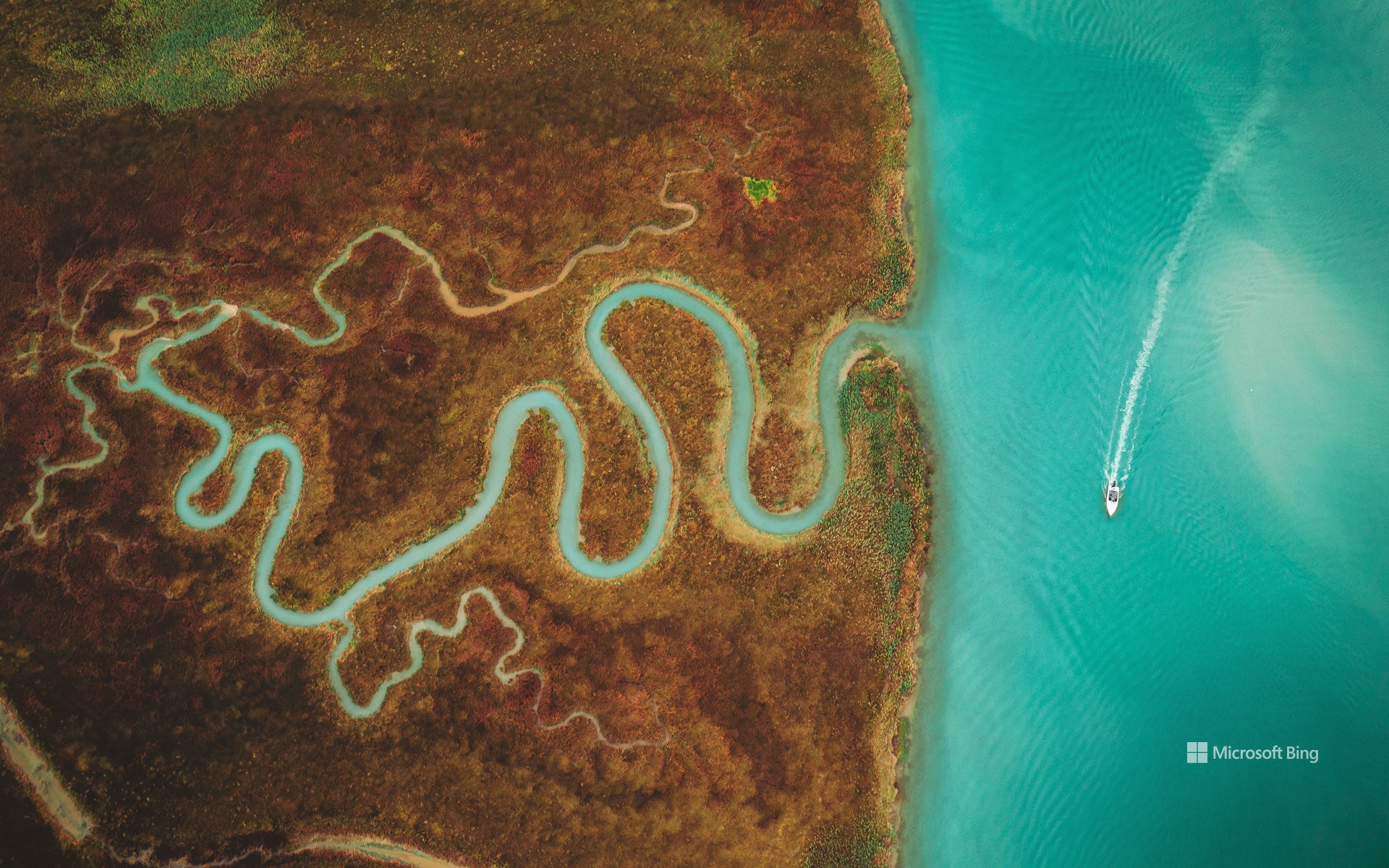
威尼斯潟湖中的三角洲, 意大利 A delta in the Venetian Lagoon, Italy (© Dimitri Weber/Amazing Aerial Agency)
威尼斯式的“甜蜜生活” The Venetian 'dolce vita'
威尼斯潟湖中的三角洲, 意大利
今天图片中的是意大利威尼斯潟湖三角洲的壮观景色。该潟湖面积超过 212 平方英里,由岛屿、泥滩、运河和沼泽组成,是整个地中海盆地最大的湿地之一。潟湖不仅是一个风景奇观,也是一个充满历史和创新的地方。它形成于上一个冰河时期之后,在西元476年西罗马帝国灭亡前后,成为人们躲避入侵的避难所。在随后的几个世纪里,这些早期的定居者开始建造最终成为标志性城市的威尼斯。
如今,这片潟湖依旧是当地居民生活的重要组成部分,支撑着渔业、旅游业,甚至发展出可持续的水产养殖业。潟湖通过三个入口与亚得里亚海相连,并因“高水位”现象广为人知:即涨潮时水位升高,导致威尼斯部分街区被淹没。从古老的避难所到现代奇观,威威尼斯潟湖展现出人与自然共同塑造一片天地的典范。
A delta in the Venetian Lagoon, Italy
Pictured here is a spectacular view of a delta in the Venetian Lagoon, Italy. Spanning over 212 square miles, this lagoon is a rich mosaic of islands, mudflats, canals, and marshes, and it's one of the largest wetlands in the entire Mediterranean Basin. The lagoon isn't just a scenic wonder—it's a place steeped in history and innovation. Formed after the last Ice Age, it became a refuge for people fleeing invasions around the time of the fall of the Western Roman Empire in 476. In the centuries that followed, those early settlers began building what would eventually become the iconic city of Venice.
Today, the lagoon is still central to local life, supporting fishing, tourism, and even sustainable aquaculture. It's connected to the Adriatic Sea by three inlets and is famous for acqua alta, or 'high water,' when tides flood parts of Venice. From ancient refuge to modern marvel, the Venetian Lagoon is a reflection of how people and nature can shape a place together.
特里卡基拉河三角洲,阿拉斯加州克拉克湖国家公园,美国 Tlikakila River Delta in Lake Clark National Park, Alaska (© Dawn Wilson Photography/Getty Images)
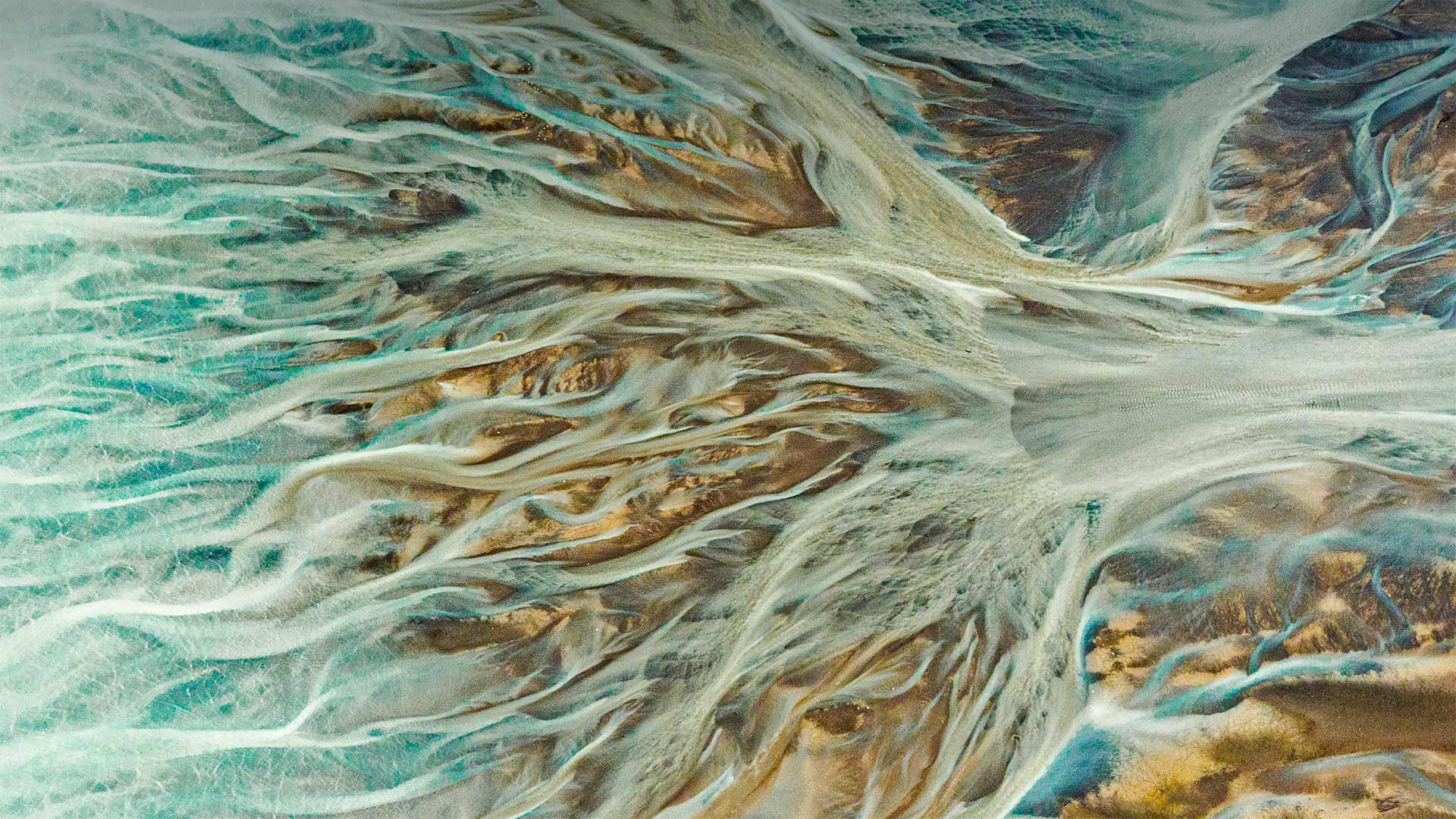
特里卡基拉河三角洲,阿拉斯加州克拉克湖国家公园,美国 Tlikakila River Delta in Lake Clark National Park, Alaska (© Dawn Wilson Photography/Getty Images)
保护阿拉斯加的自然之美 Preserving Alaska's natural beauty
特里卡基拉河三角洲
1980年的这一天,历史上最大规模的保护地扩张使美国国家公园系统的规模扩大了一倍。在那之前,阿拉斯加没有国家公园,但现在该州有八个,加上众多的纪念碑和保护区,保护着超过1.57亿英亩的土地。当卡特总统签署《阿拉斯加国家利益土地保护法案》时,公众有权欣赏像今天照片中这样令人惊叹的地方:克拉克湖国家公园51英里长的特利卡基拉河的辫状河三角洲。
在当地的阿萨巴斯坎语中,Tlikakila字面意思是“鲑鱼在那里。”该公园以盛产鲑鱼的水道而闻名,因此,鱼类对当地经济和生态系统至关重要。当地的熊群从过量的鲑鱼中受益,在克拉克湖看熊很受欢迎。丰富的三文鱼也让公园里的狼群受益匪浅,这是世界上唯一一只只依赖三文鱼的狼群。
Tlikakila River Delta
On this day in 1980, the single largest expansion of protected lands in history doubled the size of the US National Park System. Prior to that day, Alaska had no national parks, but now the state has eight, plus numerous monuments and preserves that protect more than 157 million total acres. When President Carter signed the Alaska National Interest Lands Conservation Act, the public was granted the right to appreciate stunning locations like the one in today's photo: the braided river delta of the 51-mile long Tlikakila River in Lake Clark National Park.
In the native Athabaskan language, Tlikakila literally means 'salmon are there river.' The park is known for its salmon-laden waterways and, as such, the fish is of major importance to the local economy and ecosystem. Local bear populations benefit from the excess salmon, and bear watching is very popular at Lake Clark. The abundance of salmon has also benefited a wolf pack within the park—the only one in the world known to be solely dependent on salmon.