庆祝春节的龙形灯笼,中国西安 Dragon Lantern for celebrating Spring Festival, Xi'an, China (© Pan Hong/Getty Images)

庆祝春节的龙形灯笼,中国西安 Dragon Lantern for celebrating Spring Festival, Xi'an, China (© Pan Hong/Getty Images)
祝除夕团圆,新年顺遂! Wishing you all the best in the New Year!
中国的除夕夜
除夕夜,街头的龙形灯笼正蜿蜒舒展,金鳞流转间仿佛蓄着时光的温度;而远处隐约响起的蹄声,恰似春风捎来骏马的问候——这是龙与马的相逢,是古老祥瑞与崭新朝气在岁月门楣的相会。
这座龙灯以腾跃之姿盘绕成家门前的守护,又以马踏青云的昂扬,将锦绣前程写入每扇温暖的窗棂。新的一年将至,让我们将龙马精神融入血脉,每一步都是光芒蜿蜒处,每一程皆有长风万里随。
美丽的雾凇景色,大庆市,黑龙江省,中国 The beautiful rime ice scenery, Daqing city Heilongjiang province,China (© Dashu Xinganling/shutterstock)

美丽的雾凇景色,大庆市,黑龙江省,中国 The beautiful rime ice scenery, Daqing city Heilongjiang province,China (© Dashu Xinganling/shutterstock)
美丽的雾凇景色 Beautiful rime ice scenery
冬至
当2025年的冬至如期而至,北国大地被银装素裹,东北的雾凇奇景更添了几分童话般的浪漫。漫步在雾凇林中,脚下是松软的积雪,发出细微的沙沙声,仿佛是大自然最轻柔的私语。空气中弥漫着清新的气息,仿佛能净化一切尘埃,让人心旷神怡。
雾凇,这一自然界的奇观,是形成于树枝上、电线上或其它地物迎风面上的白色疏松的微小冰晶或冰粒。它的出现需要足够低的气温和较大的空气湿度,是大自然在特定条件下精心雕琢的杰作。冬至的雾凇美景,让人们明白,生命中的每一个季节、都蕴含着独特的美丽与价值,只要我们用心去感受,就能发现生活中的无限美好。
雪中的故宫,中国北京 The Forbidden City in Snowfall, Beijing, China (© Ian.CuiYi/Getty Images)

雪中的故宫,中国北京 The Forbidden City in Snowfall, Beijing, China (© Ian.CuiYi/Getty Images)
雪落下的声音 The sound of snow falling
大雪节气
今天是中国传统二十四节气中的大雪节气。大雪的到来预示着气温将逐渐降低,冬季降水量也将增加。大雪期间,中国大部分地区已进入严冬,北方部分地区的气温甚至会降至零度以下。北方大地呈现出“万里冰封”的壮丽景象,而南方则展现出“雪花飘舞,万物银装素裹”的迷人景色。
今日照片中的紫禁城,在飘雪时分显得格外有韵味。宫墙披上银装,屋檐斗拱更显恢弘。雪花轻柔飘落,宛若纤柔的飞舞花瓣,营造出极致浪漫的意境。斑驳的光影让每个角落都成为绝美的画卷。
乐山大佛, 四川, 中国 Leshan Giant Buddha, Sichuan, China (© www.anotherdayattheoffice.org/Getty Images)

乐山大佛, 四川, 中国 Leshan Giant Buddha, Sichuan, China (© www.anotherdayattheoffice.org/Getty Images)
守护江河的佛像 The guardian of the waters
乐山大佛, 四川, 中国
世上有许多巨像,但没有一座能与乐山大佛相比。它坐落于中国四川省岷江、青衣江与大渡河三江汇流处的峭壁之上,是古代工程学的奇迹。建造始于公元713年,由一位名叫海通的僧人发起,他希望佛像的存在能平息险恶的水流,庇护来往的船只。据传,当工程因资金短缺而停滞时,海通为表诚心,甚至挖去了自己的双眼。整项工程历时约90年,直至他去世多年后才告完工。这尊佛像高达71米,是世界上最大的石刻佛像。其双肩宽约28米,耳长近7米,每只脚掌的长度超过8.5米。佛像内部设有隐蔽的排水系统,能有效防止雨水侵蚀,也因此得以在 1200多年的岁月里屹立不倒。
1996年,乐山大佛与峨眉山风景区一同被列入联合国教科文组织世界遗产名录。尽管岁月、风雨与污染在其身上留下了痕迹,但持续的修复与保护工作,使这尊巍然大佛依然庄严矗立,成为中国最珍贵的文化地标之一。静静守望着滔滔江水,见证信仰与时光的流转。
Leshan Giant Buddha, Sichuan, China
There are big statues—and then there's the Leshan Giant Buddha. Carved into a riverside cliff at the confluence of the Min, Qingyi, and Dadu Rivers in Sichuan, China, this statue is an ancient engineering marvel. Construction began in 713 CE under a monk named Hai Tong, who hoped that the Buddha's presence would calm dangerous river currents that threatened passing boats. He was so devoted that when funding ran out, he reportedly gouged out his own eyes to prove his sincerity. Construction took roughly 90 years and was completed long after Hai Tong's death. At 233 feet tall, it is the largest stone Buddha in the world. Its shoulders stretch about 92 feet wide, its ears measure nearly 23 feet long, and each foot extends over 28 feet. Drainage channels built inside the statue protect it from erosion, helping explain its remarkable preservation for more than 12 centuries.
Together with the Mount Emei Scenic Area, the Leshan Giant Buddha became a UNESCO World Heritage Site in 1996. Although time, weather, and pollution have taken their toll, continuous conservation work ensures it remains one of China's most treasured cultural landmarks.
被胡杨树围绕着的湖, 金塔县, 酒泉, 甘肃, 中国 Lake surrounded by euphrates poplar trees, Jinta, Jiuquan, Gansu, China (© Feng Wei Photography/Getty images)

被胡杨树围绕着的湖, 金塔县, 酒泉, 甘肃, 中国 Lake surrounded by euphrates poplar trees, Jinta, Jiuquan, Gansu, China (© Feng Wei Photography/Getty images)
千年秘境 Thousand Years of Secret Realm
中国甘肃金塔胡杨林
金塔沙漠胡杨林风景区位于甘肃省酒泉市金塔县西部巢湖林场,占地八万余亩,拥有西北地区最大的人工胡杨林。这些古老、耐寒耐旱的胡杨树,是第三纪遗留下来的,创造了“三千年古树”的生态奇观。金波湖水与胡杨林相映成趣,沙枣、柽柳等植物构成了多样的生态系统。
安顺桥中秋灯展,成都,中国 Anshun Bridge illuminated for the Mid-Autumn Festival, Chengdu, China (© Philippe LEJEANVRE/Getty Images)

安顺桥中秋灯展,成都,中国 Anshun Bridge illuminated for the Mid-Autumn Festival, Chengdu, China (© Philippe LEJEANVRE/Getty Images)
千里共婵娟 To the moon and back
安顺桥,成都,中国
当秋月当空,空气中已透出冬日的气息,那份战栗感总会在记忆中久久萦绕。中秋节——亦称月节——作为中国最珍视的节日之一,为丰收时节的尾声增添了又一抹神话色彩。它在农历八月十五日庆祝,今年恰逢10月6日。相传此夜,月神嫦娥正俯瞰人间。
家人团聚共享月饼——这种圆形糕点内馅或甜或咸,滋味美妙。与亲朋相聚欣赏灯笼、赏月,享受真挚的团圆时光。中秋时节的安顺桥被灯笼点亮,它沐浴在光芒中,为节日增添华彩。今夜,让我们举杯庆祝,一起享受这个美好的节日吧!祝愿大家,花好月圆,喜乐平安!
Anshun Bridge, Chengdu, China
The shiver felt under a full autumn moon, when the air hints at winter's arrival, has a way of lingering in memory. One of China's most cherished holidays, the Mid-Autumn Festival—also known as the Moon Festival—adds another touch of magic to the end of the harvest season. It's celebrated on the 15th day of the eighth lunar month of the Chinese calendar—this year, on October 6. According to legend, it's also the night when the moon goddess Chang'e watches over the world.
Families gather to share mooncakes—round pastries filled with sweet or savory goodness—and enjoy lanterns, moon gazing, and heartfelt reunions. One of the most enchanting sights is the Anshun Bridge in Chengdu, China—seen in today's image—glowing in golden light to honor the festival. Its arches reflect in the Jin River, creating a dreamy scene. In the United States, communities with Asian heritage celebrate with lantern parades, mooncake tastings, and cultural gatherings in cities like San Francisco, New York, and Dallas. Tonight, let the light guide you to the moon and back.
航拍中国江苏省常州翠竹公园 Aerial view of Cuizhu Park in Changzhou, Jiangsu Province, China (© Xu Changyu/Getty images)

航拍中国江苏省常州翠竹公园 Aerial view of Cuizhu Park in Changzhou, Jiangsu Province, China (© Xu Changyu/Getty images)
树树皆秋色 Autumn colours everywhere
秋分
又是一年的秋分时节,众所周知,在这一天,全球各地昼夜的时间几乎是相等的。在幅员辽阔的中国,自南向北开始,秋季在每个地区有着不同颜色和不同的温度。大部分地区雨季在此时刚刚结束,秋天的凉意才刚刚开始,此时正是碧空万里,风和日丽的时节。中国的秋季颜色是叠翠鎏金的,许多植物的颜色由此时节开始,由苍翠的绿转为金黄或者橙红色。
今天我们的图片中正是秋季最具代表性的红色落羽杉,它们位于江苏省常州的翠竹公园,每年秋冬季节,落羽杉皆呈现出金黄至橙红色的渐变,搭配九曲回廊与水上栈道,是一派诗意盎然的江南秋季风景。
秋季九寨沟国家公园里的诺日朗瀑布, 四川省, 中国 Nuorilang Waterfall in Jiuzhaigou National Park in autumn, Sichuan province, China (© tawatchaiprakobkit/Getty images)

秋季九寨沟国家公园里的诺日朗瀑布, 四川省, 中国 Nuorilang Waterfall in Jiuzhaigou National Park in autumn, Sichuan province, China (© tawatchaiprakobkit/Getty images)
彩林叠翠间的瀑布 Waterfalls among colorful forests
诺日朗瀑布, 四川, 中国
立秋是秋季的第二个节气。这意味着夏季的炎热将从此消失。不过,天气依然闷热,不像秋天。人们称这种天气为 “秋老虎”,通常从8月22日左右开始,到8月24日左右结束。
诺日朗瀑布距四川省会成都400公里,位于九寨沟景区中部,地理位置优越。距离典型藏式建筑的游客服务中心仅 300米(984英尺)。诺日朗在藏语中的意思是男性之神,强壮而威武。它海拔2365米(7759英尺),是中国最大的洞穴瀑布之一。
夏季的赛里木湖,博尔塔拉蒙古自治州博乐县, 中国新疆维吾尔自治区 Sayram lake in summer, in Bole county, Bortala Mongol Autonomous Prefecture, Xinjiang Uyghur Autonomous Region of China (© Feng Wei Photography/Getty Images)

夏季的赛里木湖,博尔塔拉蒙古自治州博乐县, 中国新疆维吾尔自治区 Sayram lake in summer, in Bole county, Bortala Mongol Autonomous Prefecture, Xinjiang Uyghur Autonomous Region of China (© Feng Wei Photography/Getty Images)
天山上的蓝宝石 Sapphire on Tianshan Mountain
赛里木湖,新疆,中国
大暑是中国传统农历的第十二个节气,也是夏季的最后一个节气,象征着“暑气逼人”——一年中阳光最强烈、气温最热、湿度最高的时期。炎炎夏日来临,何不逃离尘嚣,前往新疆天山附近赛里木湖畔的绝美风景区呢?
赛里木湖宛如一颗蓝宝石,镶嵌在天山的脊梁上。在光影的舞动下,湖面呈现出层层变幻的蓝色——从晶莹剔透的青瓷色到深邃如墨的翡翠色,十二米深的湖底,每一粒鹅卵石都清晰可见。夏季(六月至八月)将这片高山天堂变成一处宁静的休憩之所,20°C的清风与淅淅沥沥的细雨交织在一起。这里,白雪皑皑的山峰直插碧空,高山草甸繁花似锦;天鹅在宝石般色泽的水面上优雅地滑行,游人可以乘船穿梭于晶莹剔透的湖面上,将山峦的倒影碎裂成星辰。
杨家塘村茶园,松阳县,中国 Tea garden at Yangjiatang Village, Songyang County, China (© feng xu/Getty Images)
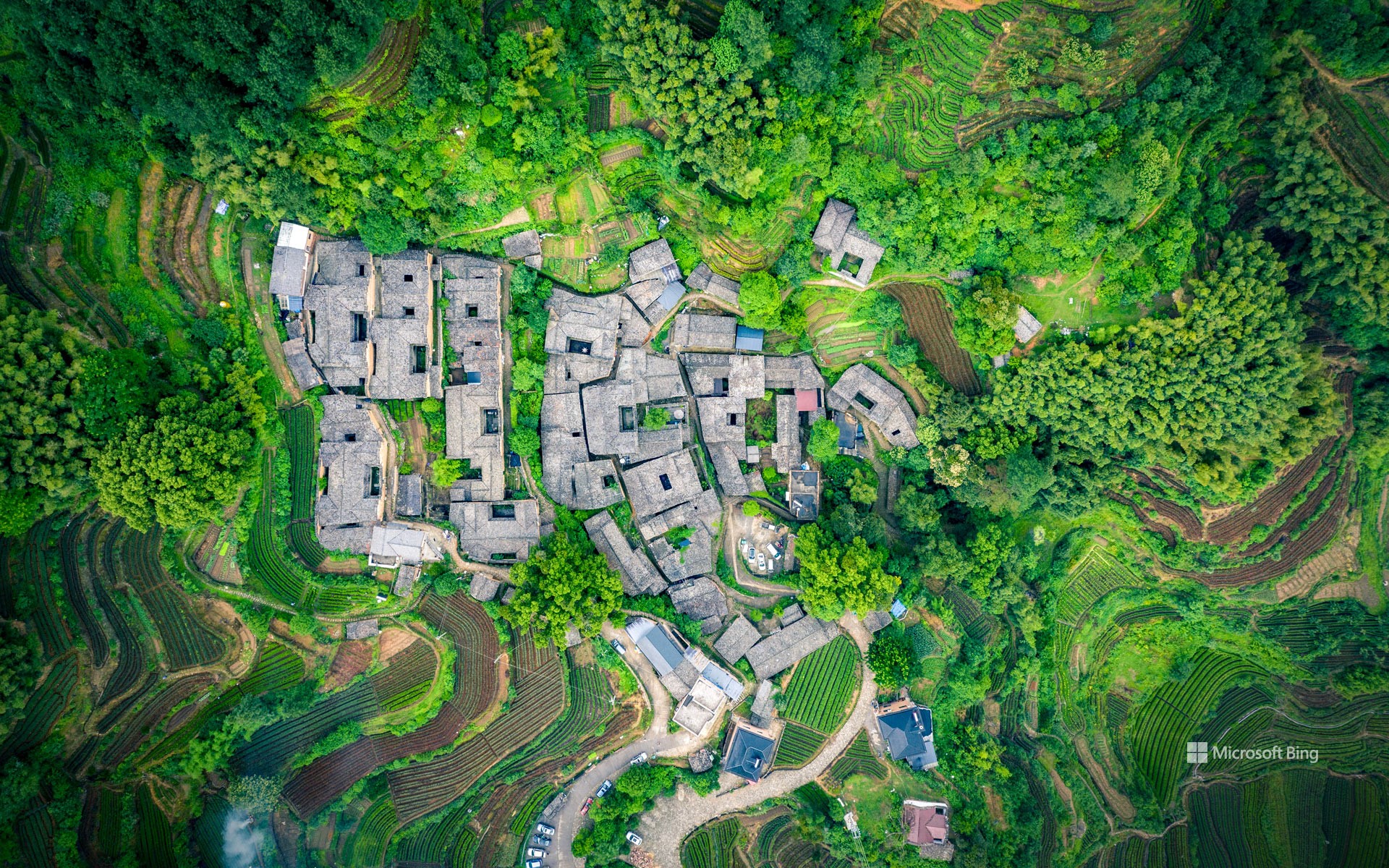
杨家塘村茶园,松阳县,中国 Tea garden at Yangjiatang Village, Songyang County, China (© feng xu/Getty Images)
茶歇时光 Teatime
国际茶日
传说中,茶的故事始于中国古代:一片树叶偶然落入沸水中,开启了这段芳香之旅。几个世纪之后,茶已成为全球消费量第二的饮品(仅次于水)。今天是国际茶日,这是由联合国设立的全球性节日,旨在肯定茶在消除贫困和促进可持续发展方面的重要作用,也向茶产业中的劳动者们致以敬意。
茶叶采摘是一项精细的手艺,扎根于传统技艺,同时受到地理环境的深刻影响。从今日图片中所示的浙江省烟雾缭绕的丘陵,到印度阿萨姆邦起伏的茶园,每个产区的采摘与制作方式各不相同。绿茶通常通过晒干或蒸汽处理来保留其鲜嫩风味;而乌龙茶与红茶则经过部分或完全氧化,发展出更加复杂而浓郁的香气与口感。茶的颜色、香气与滋味,因此呈现出令人着迷的多样性。全球茶叶生产的领先国家包括中国、印度、肯尼亚和斯里兰卡,每个国家都有其代表性的茶类风格:中国以普洱和绿茶闻名,印度盛产浓厚的红茶拼配,肯尼亚主产CTC红茶,斯里兰卡则以花香型锡兰茶广受欢迎。每一杯茶都蕴含着其产地的故事,由当地的土壤、海拔和气候共同塑造而成。
International Tea Day
Legend says that it began with a single leaf drifting into a pot of boiling water in ancient China. Centuries later, tea is the second-most consumed drink in the world (after water). Today is International Tea Day, a global nod to this timeless beverage, established by the United Nations to recognize tea's role in reducing poverty and supporting sustainable development. It's a day to honor both the drink and the people who are part of this industry.
Tea harvesting is a delicate craft, rooted in tradition and influenced by geography. From the misty hills of Zhejiang province in China, pictured here, to the rolling estates of Assam in India, the process differs. Green tea leaves are sun-dried or steamed to preserve their freshness, while oolong and black teas undergo oxidation to develop complex, bold flavors. The result is a rich spectrum of taste, color, and aroma. China, India, Kenya, and Sri Lanka lead global tea production. Each country offers its own signature style: China with pu-erh and green teas, India with robust black blends, Kenya with CTC teas, and Sri Lanka with floral Ceylon. In every cup, you can taste the story of its origin, shaped by the land's soil, altitude, and climate.