珊瑚礁与海滩在拉贾安帕特,印度尼西亚 Coral reef and beach in Raja Ampat, Indonesia (© SergeUWPhoto/Shutterstock)

珊瑚礁与海滩在拉贾安帕特,印度尼西亚 Coral reef and beach in Raja Ampat, Indonesia (© SergeUWPhoto/Shutterstock)
细微之举,影响深远 Small footprint, big impact
珊瑚礁意识周
想象一座由动物建造的城市,在阳光下熠熠生辉,并在海浪之下涌动着生命。这就是珊瑚礁。在珊瑚礁意识周(Coral Reef Awareness Week)期间,我们赞美这些非凡的生态系统,以及依赖其生存的无数物种
珊瑚礁仅覆盖了全球不足1%的海床面积,却支撑着约25%的海洋生命。这些看似彩色岩石的物体,实际上是被称为珊瑚虫(Coral polyps)的微小动物集群。它们共同构建了宏大的石灰岩结构,且能延续数千年之久。大堡礁是地球上最大的生物结构,沿着澳大利亚海岸延伸超过1,400英里。
珊瑚礁充满了惊喜。部分珊瑚因含有能起到天然防晒作用的荧光蛋白而发光;而鹦嘴鱼则通过将珊瑚转化为细砂,协助形成了沙滩。若想一窥珊瑚礁生命最丰富的一面,请看向图中所示的印度尼西亚拉贾安帕特(Raja Ampat),那里生长着超过75%的已知珊瑚物种。它们虽栖息于水下,但其影响力远播至海岸线之外。
Coral Reef Awareness Week
Imagine a city built by animals, glowing in the sunlight, and bustling with life beneath the waves. That is a coral reef. During Coral Reef Awareness Week, we celebrate these remarkable ecosystems and the countless species that depend on them.
Coral reefs cover less than 1% of the ocean floor, yet they support roughly 25% of all marine life. What look like colorful rocks are actually colonies of tiny animals called coral polyps. Together, they build vast limestone structures that can last for thousands of years. The Great Barrier Reef is the largest living structure on Earth, stretching more than 1,400 miles along Australia's coast.
Reefs are full of surprises. Some corals glow thanks to fluorescent proteins that act like natural sunscreen, while parrotfish help create sandy beaches by turning coral into fine sand. For a glimpse of reef life at its richest, look to Raja Ampat in Indonesia, pictured here, where more than 75% of known coral species thrive. They may live underwater, but their impact reaches far beyond the shore.
黄昏时的红树林,瓦拉基里海滩,松巴岛,印度尼西亚 Mangrove trees at twilight, Walakiri Beach, island of Sumba, Indonesia (© Boonchet Ch./Getty Images)
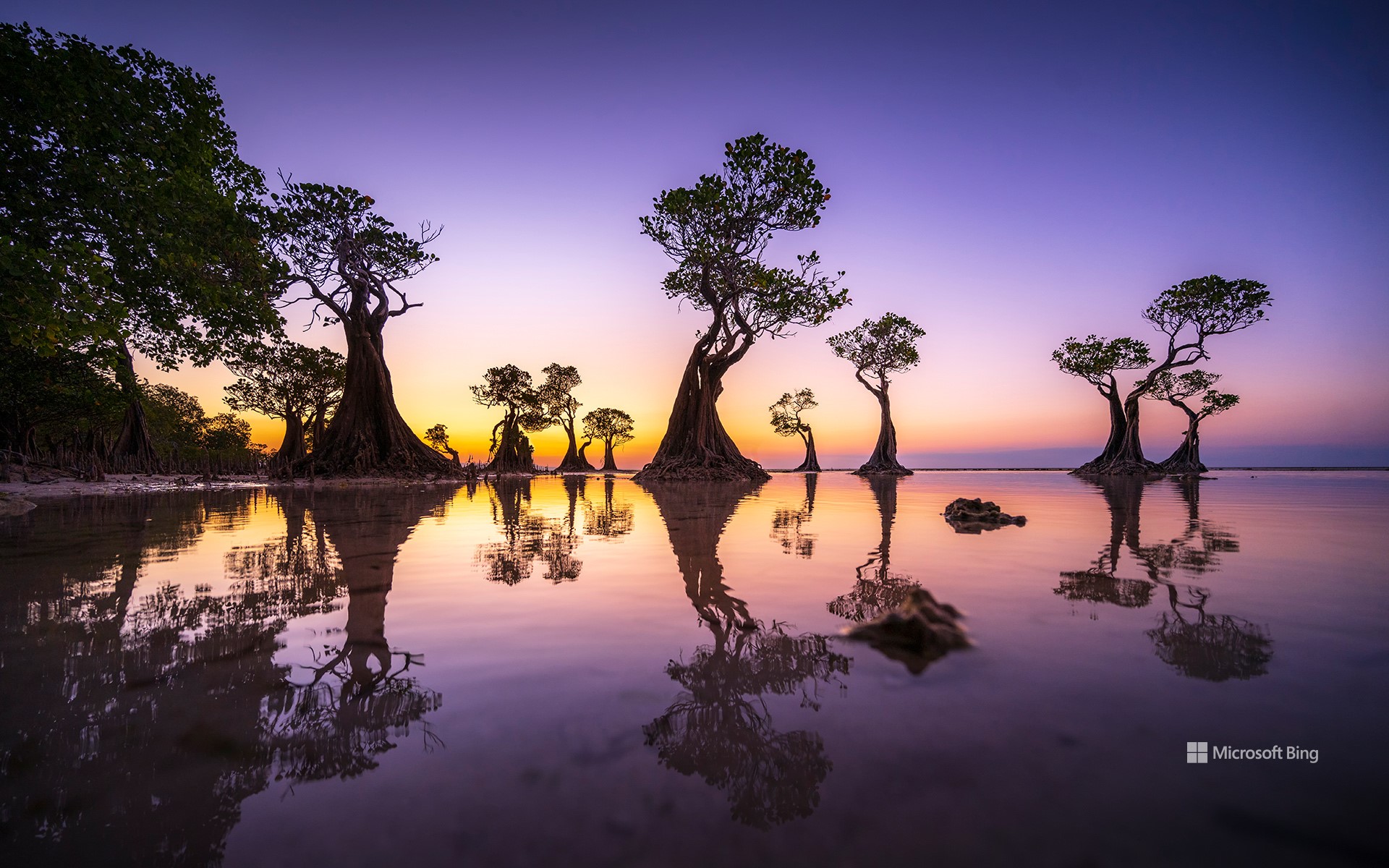
黄昏时的红树林,瓦拉基里海滩,松巴岛,印度尼西亚 Mangrove trees at twilight, Walakiri Beach, island of Sumba, Indonesia (© Boonchet Ch./Getty Images)
潮汐的守护者 Sentinels of the tide
保护红树林生态系统国际日
当暮色降临印度尼西亚松巴岛的瓦拉基里海滩时,红树林的剪影宛如潮汐中的哨兵般矗立,既优雅又坚韧,充满生命力。今天是国际红树林生态系统保护日,让我们向这些在维系地球生命中发挥至关重要作用的非凡树木致以敬意。
红树林是大自然的海岸卫士。它们弯曲的根系可过滤盐分,使其能够在其他树木难以生长的咸水环境中茁壮成长,牢牢扎根于咸淡水交汇处,抵御潮汐与流沙的冲刷。红树林能有效防止海岸侵蚀,为沿海社区抵御风暴提供屏障,同时为无数海洋生物提供育幼场所。它们盘根错节的根系不仅稳固沉积物,还为幼鱼、螃蟹以及鸟类提供庇护。红树林的碳储存能力远超大多数森林,是应对气候变化的重要自然盟友。然而,由于过度开发、污染以及海平面上升,红树林正以惊人的速度消失。让我们以今天为新的起点,通过教育、修复和倡导,共同努力保护这一关键生态系统。因为,守护红树林,就是守护我们的未来。
International Day for the Conservation of the Mangrove Ecosystem
As twilight descends on Walakiri Beach on the island of Sumba, Indonesia, the silhouettes of mangrove trees stand like sentinels in the tide—graceful, resilient, and vital. Today, on International Day for the Conservation of the Mangrove Ecosystem, we honor these extraordinary trees and the critical role they play in sustaining life on our planet.
Mangroves are nature's coastal guardians. With their arching and salt-filtering roots, they thrive where few trees can—anchored in brackish water, enduring tides and shifting sands. They protect shorelines from erosion, buffer communities against storms, and serve as nurseries for countless marine animals. Their tangled root systems not only stabilize sediment but also provide shelter for juvenile fish, crabs, and birds. Mangroves also trap carbon at rates far higher than most forests, making them powerful allies in the fight against climate change. Yet they are disappearing at an alarming rate due to development, pollution, and rising sea levels. Let this day be a call to action. Whether through education, restoration, or advocacy, we all have a role in preserving these vital ecosystems. Because when we protect mangroves, we protect the future.
Pulau Ay蓝色泻湖, 班达群岛, 印度尼西亚 Blue lagoon of Pulau Ay, Banda Islands, Indonesia (© fabio lamanna/Alamy Stock Photo)
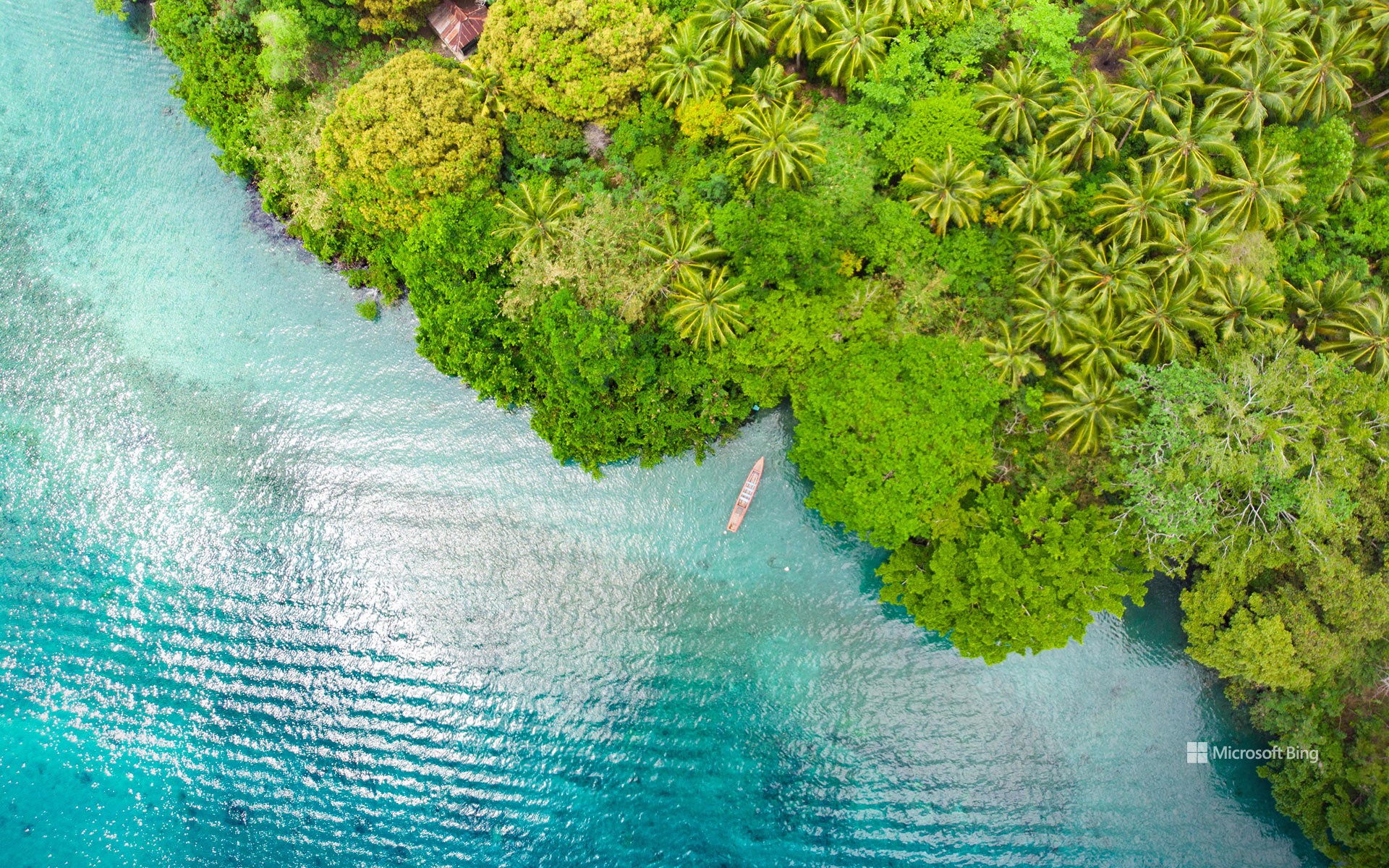
Pulau Ay蓝色泻湖, 班达群岛, 印度尼西亚 Blue lagoon of Pulau Ay, Banda Islands, Indonesia (© fabio lamanna/Alamy Stock Photo)
哪里让历史变得“辛辣” Where history gets spicy
国际热带日
每年6月29日是“国际热带日”,旨在引导人们关注紧贴赤道的热带地区,这些地区全年阳光充足,却也在气候变化议题中尤为脆弱。热带带位于北回归线与南回归线之间,涵盖亚洲、非洲、大洋洲、中美洲及南美洲的部分地区。全球近40%的人口生活于此,这里同时孕育了全球约80%的生物多样性。不仅自然资源丰富、文化多元,这些地区也承载着重要的历史背景;然而它们也面临着气温上升、森林砍伐和快速城市化等挑战。
若你想了解一段“热”力十足的热带故事,不妨关注位于印度尼西亚班达群岛中的艾岛。如今日图片所示,肉豆蔻曾是全球最受欢迎的香料之一,而艾岛在全球肉豆蔻贸易中曾发挥关键作用。它曾引发全球列强之间的竞争与血腥的海上冲突,深刻影响了现代地缘政治格局。如今,艾岛的珊瑚礁依旧绚丽,豆蔻香仍扑鼻,历史则沉睡在苔藓覆满的古堡中。游客可在珊瑚花园中浮潜,在香料园中漫步,或在阳光下与当地人一同晾晒肉豆蔻外皮。因此,今天的意义不仅在于庆祝,更在于反思、学习与付诸行动。
International Day of the Tropics
Every June 29, the International Day of the Tropics shines a light on the equator-hugging zone where the sun sticks around, and climate conversations get real. The tropics span a broad region between the Tropic of Cancer and the Tropic of Capricorn, including parts of Asia, Africa, Oceania, Central America, and South America. Nearly 40% of the global population lives in this band, which also hosts 80% of the world's biodiversity. It's rich in culture, nature, and history—but also under pressure from rising temperatures, deforestation, and fast-paced urban growth.
For a tropical tale with extra flavor, look no further than Pulau Ay, photographed here. Nutmeg was once one of the world's most sought-after commodities—and this tiny island in Indonesia's Banda Islands played a key role in its global trade. It once sparked global rivalries and deadly sea battles, influencing the geopolitical boundaries of the modern world. Today, Pulau Ay is a place where reefs shine, nutmeg continues to thrive, and history lingers in moss-covered forts. Visitors can snorkel along coral gardens, wander through spice groves, or sit with locals drying mace under the sun. So, today's mission? Celebrate, sure—but also reflect, learn, and act.
努沙佩尼达岛的破碎海滩, 巴厘岛, 印度尼西亚 Broken Beach in Nusa Penida, Bali, Indonesia (© StockPhotoAstur/Shutterstock)
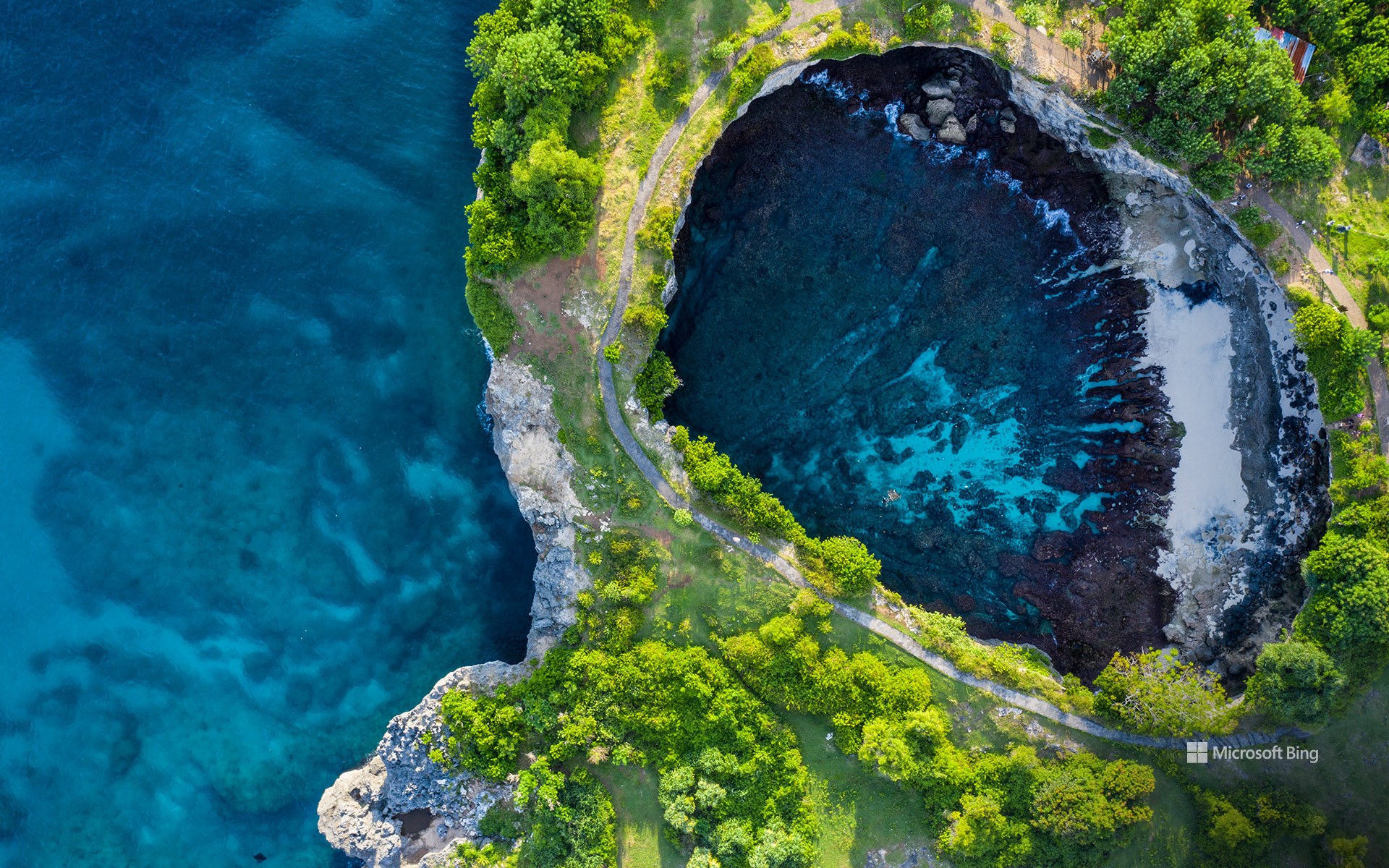
努沙佩尼达岛的破碎海滩, 巴厘岛, 印度尼西亚 Broken Beach in Nusa Penida, Bali, Indonesia (© StockPhotoAstur/Shutterstock)
大海的非凡造化 When the ocean breaks the rules
努沙佩尼达岛的破碎海滩, 巴厘岛, 印度尼西亚
巴厘岛的海滩已经足够令人惊艳,但努沙佩尼达岛的风景却更别具一格。这座远离主流旅游线路的岛屿隶属于巴厘省,以狂野自然之美闻名,壮观的悬崖、湛蓝的海水和未受污染的海岸线,让游客暂时远离巴厘岛的繁华,沉浸在大自然的宁静之中。“努沙佩尼达”在当地语言中意为“祭司之岛”,历史上这里曾是精神修行之地,至今仍保留着传统寺庙和宗教仪式。
岛上最具代表性的景点之一便是破碎海滩,当地人称其为“Pasih Uug”,如今日图片所示。这片奇景由海浪经过数千年的侵蚀,逐渐凿刻出一个圆形海湾,并在尽头形成一片小型白色沙滩。关于它的形成,当地流传着各种传说。有些人认为这是巨人的脚印,而另一些人则说它是愤怒的巫师制造的神秘遗迹。在这里探索时,你可能还会在海湾下方的清澈水域看到蝠鲼优雅地滑行,展示着这座岛屿丰富的海洋生物。站在悬崖之巅俯瞰,破碎海滩无与伦比的景色,这里成为摄影爱好者和寻求宁静之地的游客体验大自然神奇魅力的绝佳去处。
Broken Beach in Nusa Penida, Bali, Indonesia
Let's be real—the beaches in Bali are beautiful, but the ones in Nusa Penida? That's a whole new vibe. This off-the-beaten-path island, part of the Bali province, is where nature gets a little wild, and the sights are nothing short of epic. With its rugged cliffs and clear waters, the island offers an escape from Bali's busier tourist hubs. The name 'Nusa Penida' translates to 'island of priests,' and historically, it served as a spiritual retreat, with temples and rituals that locals still honor today.
One of the island's most iconic attractions is Broken Beach, or 'Pasih Uug,' as locals call it, seen in today's image. This marvel features a circular bay in the cliff rocks, carved out by the relentless ocean waves, leading to a small white-sand beach. Some local legends claim the hollow bay was formed by a giant's footsteps, while others attribute it to an angry sorcerer. As you explore, you might spot manta rays gliding gracefully through the waters below, showcasing the island's marine life. The views from the top are unmatched, making this spot a haven for photographers and those seeking a peaceful escape.
婆罗浮屠大佛寺,爪哇岛,印度尼西亚 Borobudur Temple, Java, Indonesia (© Robertharding/Shutterstock)
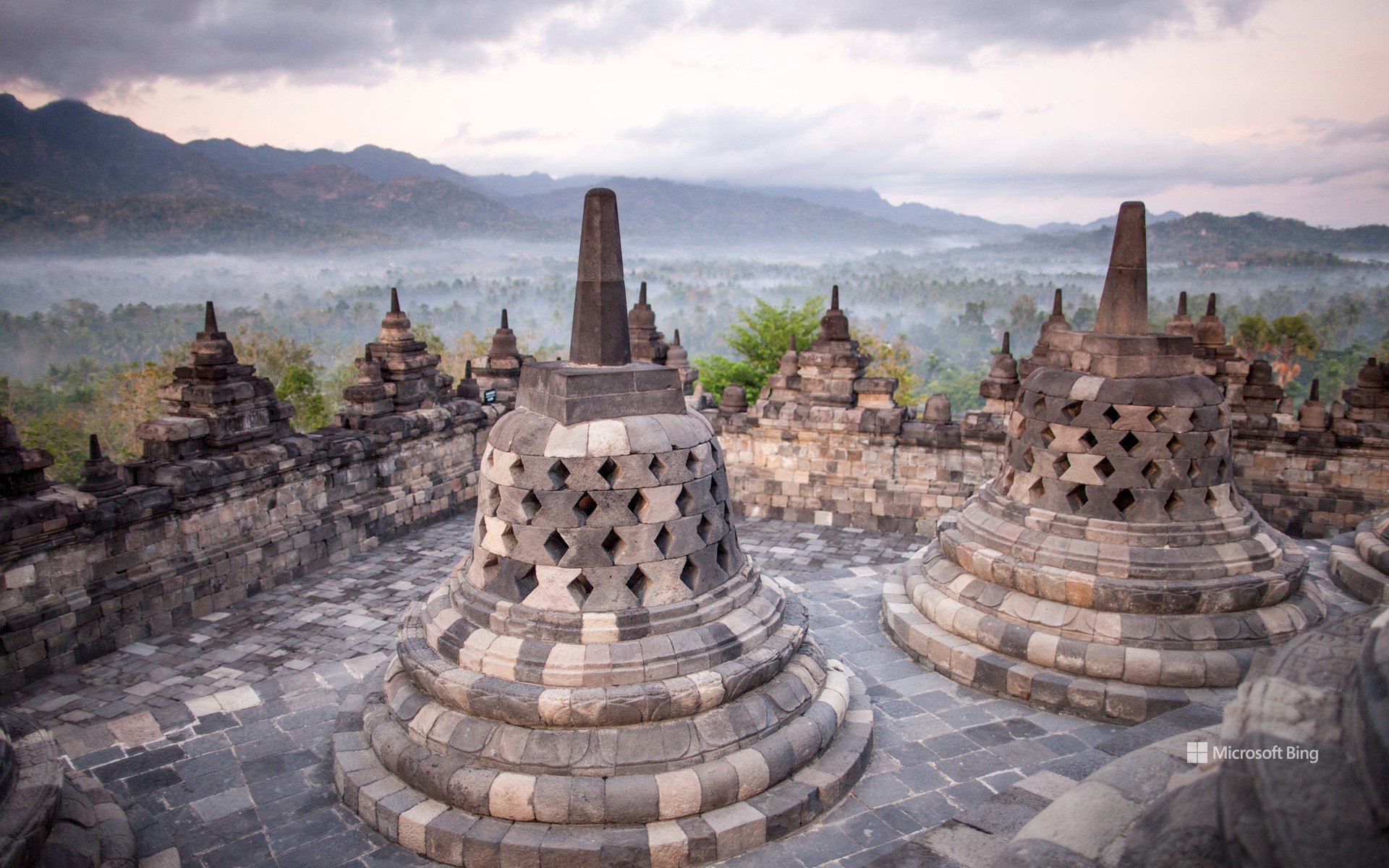
婆罗浮屠大佛寺,爪哇岛,印度尼西亚 Borobudur Temple, Java, Indonesia (© Robertharding/Shutterstock)
圣山之上 On the sacred mountain
婆罗浮屠大佛寺,爪哇岛,印度尼西亚
想象一下,一个由200多万块石头拼成的巨大拼图,这就是今日图片中的婆罗浮屠。这座寺庙建于公元9世纪,由当时统治爪哇岛的夏连特拉王朝的统治者建造,是世界上最大的佛教寺庙,巍然屹立在印度尼西亚的爪哇岛。这座古老的圣殿因其采用了先进的石块连接系统,在数百年的自然灾害中屹立不倒,包括火山喷发和地震。历史上,婆罗浮屠是一个重要的朝圣地。在被遗弃数百年后,它在19世纪被英国副总督莱佛士重新发现。
婆罗浮屠的每一层都堪称建筑奇迹,融合了笈多风格、佛教风格和爪哇风格。这座建筑分为三部分:底层有雕刻精美的浮雕,传授道德教义;中间层由五个方台组成,上面的浮雕描绘了日常生活和历史事件;而上层则是三层圆台,每一层圆台边缘有一圈钟形小塔,3层共有72座,每座塔内均供奉一尊佛像。婆罗浮屠的顶端为一座巨大的钟形主塔,主塔中有一尊最大的佛像,仿佛在看着来此参观的游客是如何沉浸在这片圣地的氛围中。
Borobudur Temple, Java, Indonesia
Imagine a colossal puzzle made from over 2 million stone blocks—that's Borobudur, seen in today's image. Built during the 9th century in the reign of the Shailendra dynasty—a ruling family in Southeast Asia—it's the world's largest Buddhist temple, standing tall on the island of Java, Indonesia. This ancient sanctum has withstood centuries of natural challenges, including volcanic eruptions and earthquakes, thanks to its advanced interlocking stone system. Historically, Borobudur was an important pilgrimage site. After being abandoned for centuries, it was rediscovered in the 19th century by the English lieutenant governor Thomas Stamford Raffles.
Here, each step is an architectural marvel, combining Gupta, Buddhist, and Javanese styles. The structure is divided into three sections: the base has detailed carvings that teach moral lessons; the middle level consists of five square terraces with reliefs depicting daily life and historical events; and the upper levels are three circular platforms with 72 stupas—mound-like structures containing Buddha statues. Oh, and those bell-shaped stupas on the top? Inside each one, a serene Buddha waits, watching as visitors soak in the surroundings.
克里穆图的火山口湖,弗洛勒斯岛,印度尼西亚 Volcanic crater lakes on Kelimutu, Flores, Indonesia (© Shane P. White/Minden Pictures)
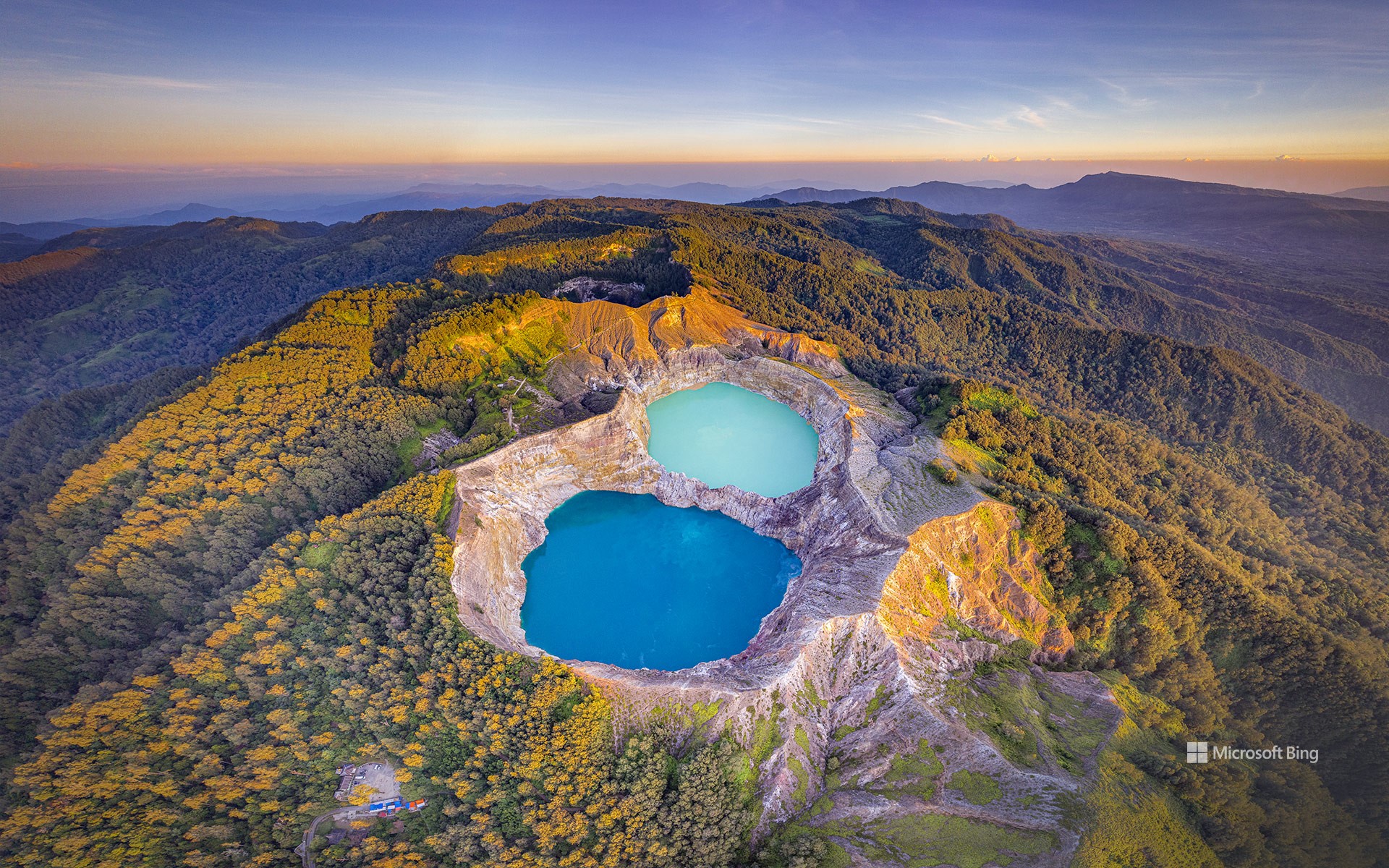
克里穆图的火山口湖,弗洛勒斯岛,印度尼西亚 Volcanic crater lakes on Kelimutu, Flores, Indonesia (© Shane P. White/Minden Pictures)
让人心旷神怡的美景 The views will blue your mind
克里穆图,弗洛勒斯岛,印度尼西亚
也许您以前见过一些颜色独特的湖泊,但是当您看到印度尼西亚的弗洛勒斯岛上的克里穆图火山口湖后,可能还是会大吃一惊。这个自然奇观拥有三个湖泊,每个湖泊都有自己的颜色和民间传说,吸引着那些寻求超凡脱俗旅行体验的游客。地球深处的火山喷口释放出蒸汽和气体,改变了这些湖泊的矿物成分,导致它们的外观颜色会发生周期性变化。克里穆图的每一个火山口湖都有自己独特的化学成分,这就是为什么它们可以同时呈现不同的颜色,并且这些颜色可以独立变化。最西边的老人湖通常呈现出蓝色调,与此同时,青年湖通常呈现出绿色调,而魔力湖则通常呈现出红色调。当地的利奥人崇敬这些湖泊,认为它们是灵魂的安息之地。如果您已经厌倦了普通的海边旅行,不妨去克里穆图探索这三个能变色的神奇湖泊。
Kelimutu, Flores, Indonesia
You might have seen lakes with some unique colors before, but Indonesian island of Flores, with its volcano Kelimutu, may steal the show. Home to three lakes, each with its own hue and folklore, this natural wonder attracts travelers seeking an otherworldly experience. Volcanic vents deep within the Earth release steam and gas, which alter the lakes' mineral compositions, causing reactions that transform their appearance periodically. Each lake on Kelimutu has its own unique chemical makeup, which is why they can be different colors from each other at the same time, and these colors can change independently. The westernmost lake, Tiwu Ata Bupu (Lake of Old People), normally has a blue hue. Meanwhile, Tiwu Ko'o Fai Nuwa Muri (Lake of Young Men and Maidens) tends to be green, and Tiwu Ata Polo (Bewitched or Enchanted Lake) is usually red.
The local Lio people revere these lakes, believing them to be the resting place of souls. So, why settle for the usual beachside vacation when you can explore a trio of color-changing lakes?
米苏尔岛,拉贾安帕群岛,印度尼西亚 Misool, Raja Ampat Islands, Indonesia (© Giordano Cipriani/Getty Images)
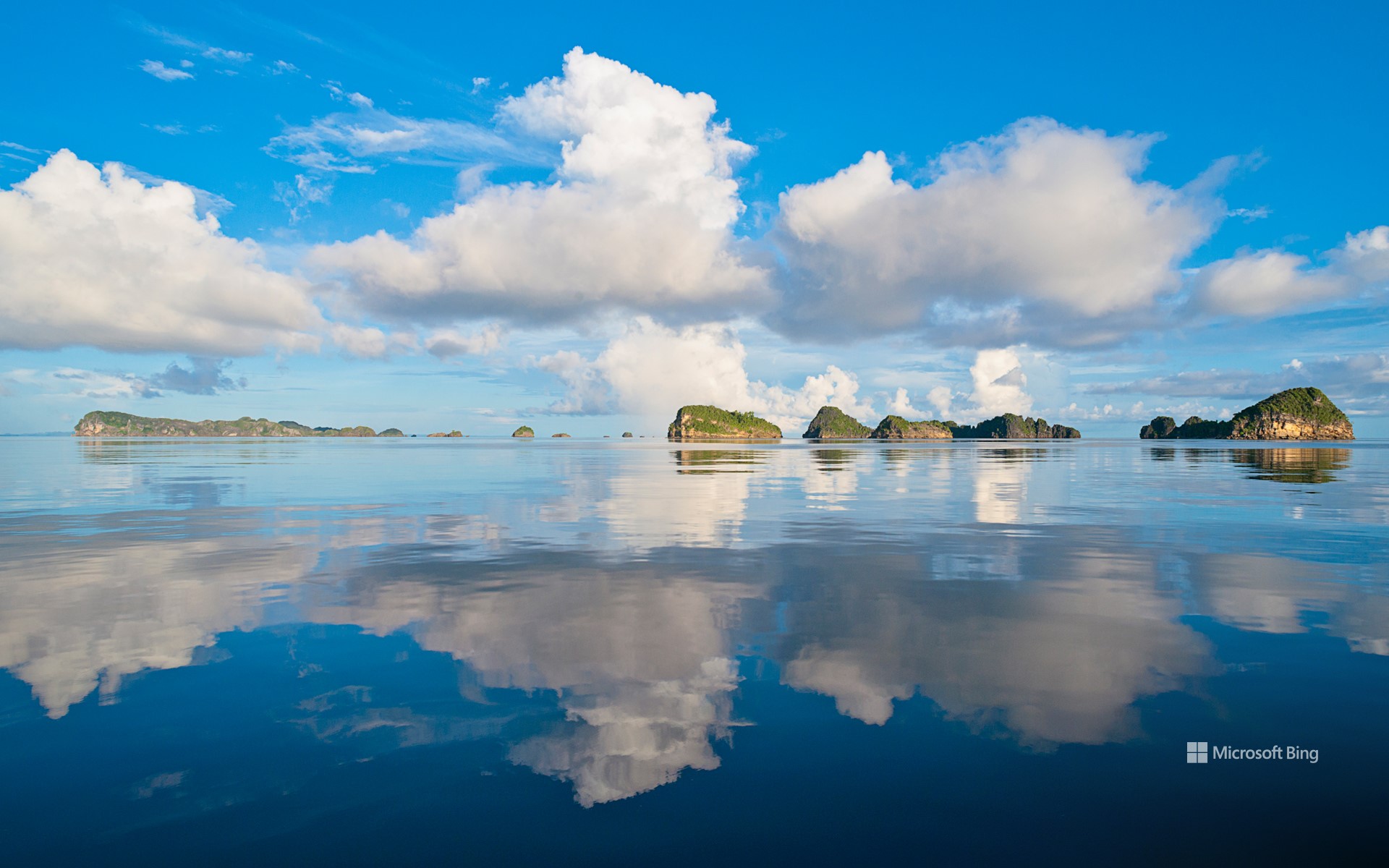
米苏尔岛,拉贾安帕群岛,印度尼西亚 Misool, Raja Ampat Islands, Indonesia (© Giordano Cipriani/Getty Images)
岛屿在召唤! The islands are calling!
米苏尔岛,拉贾安帕群岛,印度尼西亚
想象一下,身在一个如此纯净的水生保护区,听着海洋把它的秘密悄悄告诉你!米苏尔岛是印度尼西亚拉贾安帕群岛中的一个岛屿,面积近800平方英里。群岛由四个主要岛屿组成,包括米索尔岛、威吉奥岛、巴丹塔岛和萨拉瓦蒂岛。在这里,海浪轻柔地抚摸着粉白色的沙滩,海面下则游弋着绚丽的海洋生物。这里的珊瑚礁以生物多样性著称,是许多潜水爱好者的梦想之地。游客还可以游览1982年建立的米苏尔岛自然保护区,观赏白色袋貂、蜜袋鼯、普通袋狸和其他有袋类动物。作为禁止捕鱼和狩猎的“禁渔区”以及鲨鱼和蝠鲼保护区,米苏尔岛为我们海洋的未来带来了希望。在这个小岛上,大自然最美好的礼物得到了保护和珍惜。
Misool, Raja Ampat Islands, Indonesia
This pristine aquatic sanctuary so pristine that it feels like a secret whispered by the ocean itself. Misool is an island of almost 800 square miles within the Raja Ampat archipelago in Indonesia. The archipelago comprises four main islands, including Misool, Waigeo, Batanta, and Salawati. Here, the waves caress the powder-white sands, while a kaleidoscope of marine life swims beneath the surface. Raja Ampat is part of the Coral Triangle, a remote ocean wilderness that is home to hundreds of species of reef-building corals alongside marine turtles, sharks, whales, dugongs, dolphins, and thousands of species of reef fish. The archipelago is dotted with Marine Protected Areas, of which Misool is the largest, and includes nesting beaches for green and hawksbill turtles. Surrounded by a 'no-take zone' with fishing and hunting activities banned and a shark and manta ray sanctuary, Misool offers hope for the future of our oceans.
巴尼亚群岛,苏门答腊,印度尼西亚 Banyak Islands, Sumatra, Indonesia (© fbxx/Getty Imagesz)

巴尼亚群岛,苏门答腊,印度尼西亚 Banyak Islands, Sumatra, Indonesia (© fbxx/Getty Imagesz)
赞美热带 Celebrating the tropics
国际热带日
巴尼亚群岛位于印度洋海域,每年吸引数百万游客。巴尼亚群岛由99个小岛组成,这些小岛大部分都无人居住,甚至还没有名字,岛上目之所及都是纯净的沙滩、茂盛的树木和透彻的海水。这个纯净的热带天堂还非常适宜冲浪,这因此成为了完美的度假目的地,适合任何想要在平静和放松之余来一点冒险的人们。
International Day of the Tropics
On the International Day of the Tropics, we are in the Banyak Islands of Indonesia, a group of more than 70 islands, most of which are uninhabited and unnamed. The Banyak Islands offer miles of pristine sandy beaches, lush green trees, and clear waters as far as the eyes can see. This tropical paradise also boasts some great surfing and snorkeling spots and draws millions of visitors a year.
But the tropics, roughly defined as the area above and below the equator between the Tropic of Cancer and Tropic of Capricorn, face various challenges including climate change, urbanization, and high levels of poverty. They also make up approximately one-third of the Earth’s landmass and are home to about 40% of the world’s population. On June 29, International Day of the Tropics celebrates the uniqueness and biodiversity of the tropics, while highlighting their challenges and progress made to address them.
乌布的德格拉朗梯田,印度尼西亚 Tegallalang terrace farms in Ubud, Bali, Indonesia (© Cavan Images/Adobe Stock)
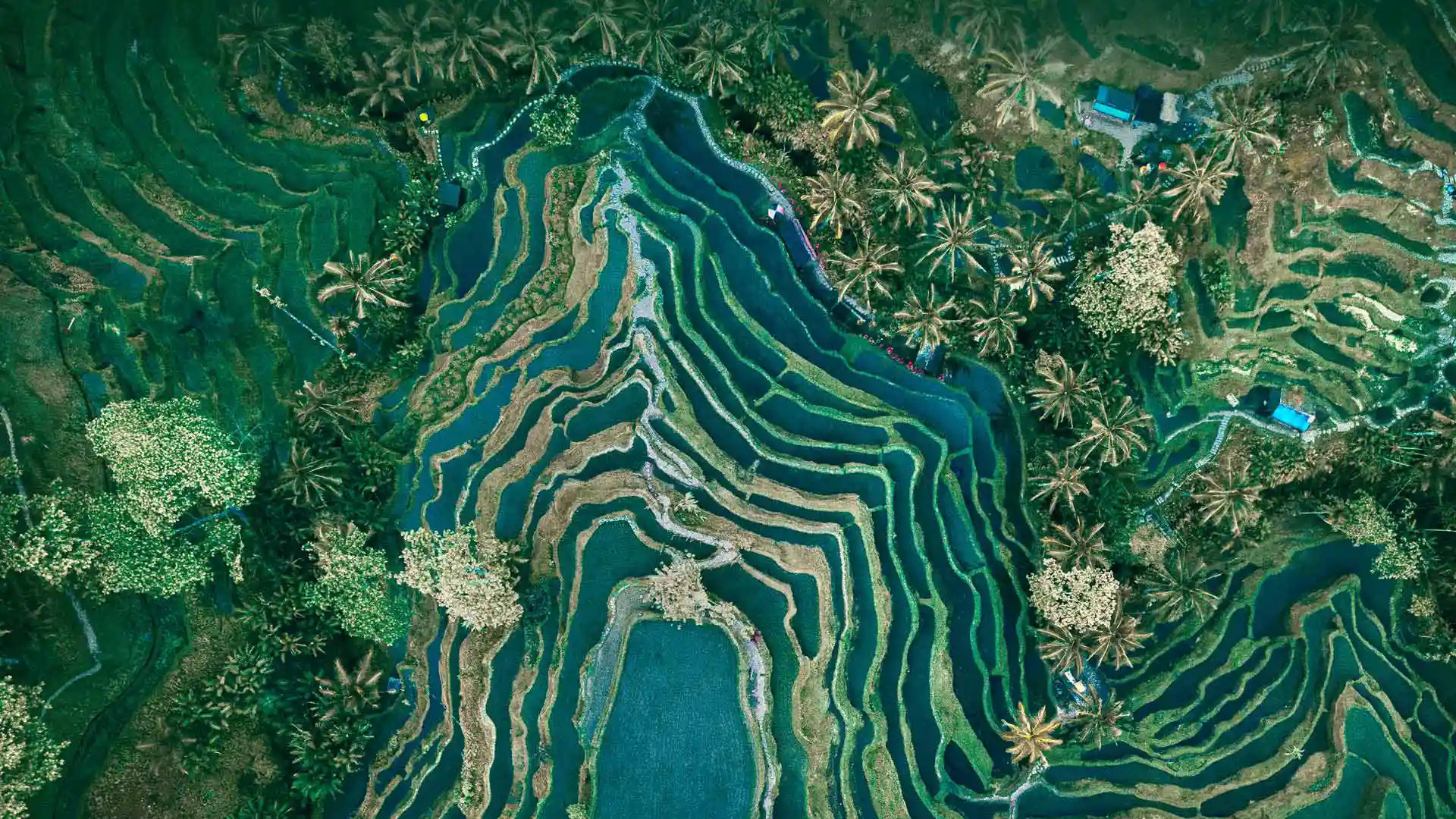
乌布的德格拉朗梯田,印度尼西亚 Tegallalang terrace farms in Ubud, Bali, Indonesia (© Cavan Images/Adobe Stock)
俯瞰层叠的梯田 Hovering over harmonious horticulture
德格拉朗梯田,巴厘岛,印度尼西亚
稻米在巴厘岛文化中扮演着重要角色,特加拉朗梯田是巴厘岛最著名的稻田之一。德格拉朗梯田利用独特的供水系统进行水稻种植,优化了水的配置及使用。传统的巴厘岛灌溉系统,被称为苏巴克(Subak),效率极高,目前已被联合国教科文组织列为世界遗产。从空中俯瞰特加拉朗梯田,田野风光令人惊叹。如果你要去巴厘岛,一定要去特加拉朗梯田看看。
Tegallalang terrace farms in Ubud, Bali, Indonesia
Sweeping downhill in our homepage image are the famous rice terraces of Tegallalang, one of Bali's most popular tourist attractions. They are carved into the side of a valley near the town of Ubud and use the traditional Subak irrigation system, which dates back to the 9th century. Bali's rivers and streams provide year-round water for its crops but here people work hand-in-hand with nature, and a network of irrigation channels distribute water to each paddy field. They carefully tend rice plants during the growing season, as generations have done before them, before harvesting and distributing the rice between the community. The Subak system is so important in Balinese culture, it has been recognised by UNESCO. These terraces offer visitors panoramic views over the surrounding rice fields and lush landscape, as well as a picturesque example of people living in harmony with nature.
爪哇岛东部的婆罗摩火山,印度尼西亚 Mount Bromo in East Java, Indonesia (© Bento Fotography/Getty Images)
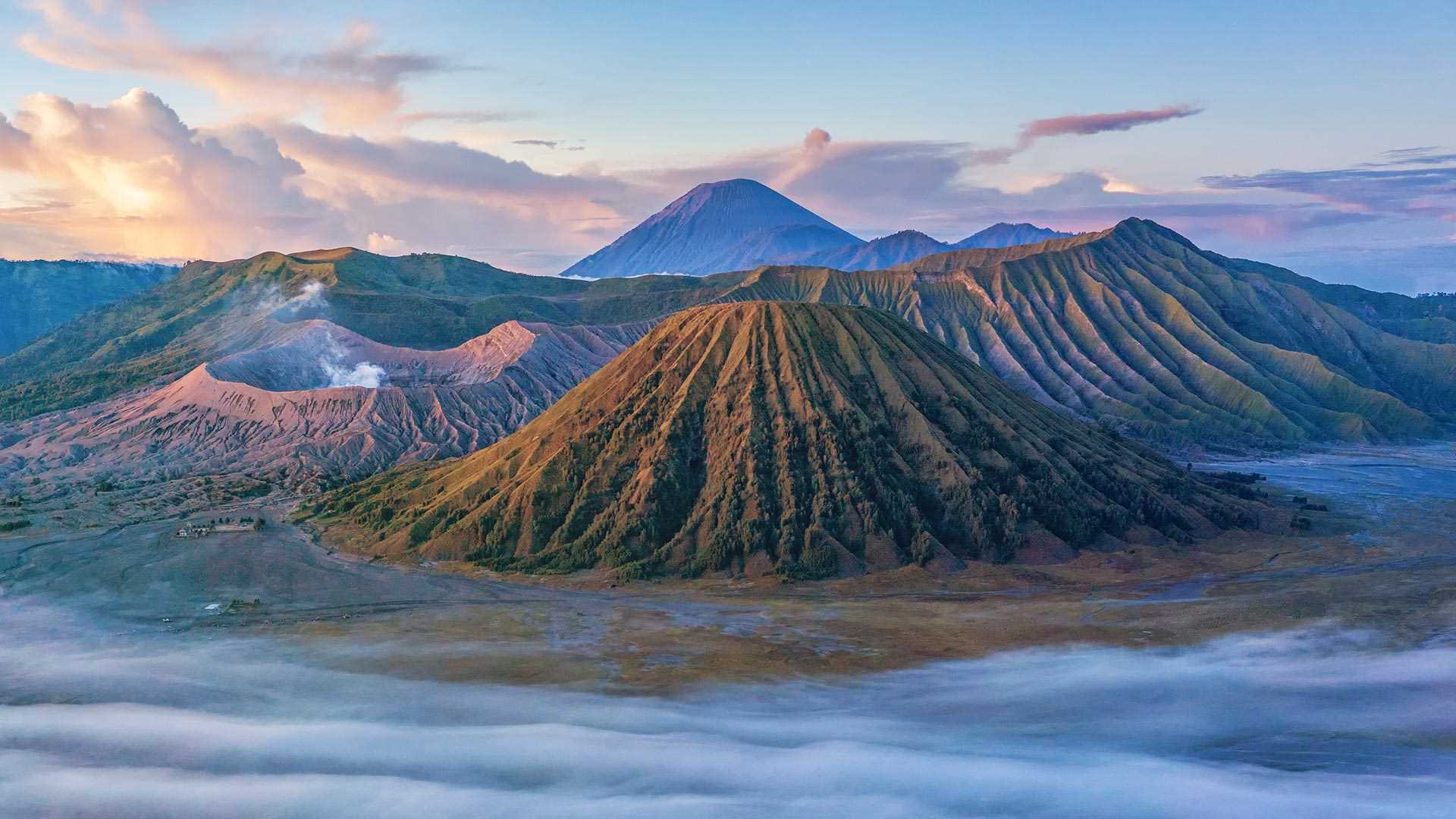
爪哇岛东部的婆罗摩火山,印度尼西亚 Mount Bromo in East Java, Indonesia (© Bento Fotography/Getty Images)
这座缥缈的山在哪里? Where is this ethereal mountain?
婆罗摩火山,爪哇岛东部,印度尼西亚
婆罗摩火山是一座活跃的索玛火山,海拔约2393米,位于婆罗摩腾格里国家公园内,这里风景优美,日出景观尤为壮丽,是印度尼西亚爪哇岛东部最具标志性的景点之一。其名字来源于爪哇语“梵天”的发音,梵天是印度教的创造之神。
婆罗摩火山是腾格尔火山口中唯一的活火山,周围铺满细细的火山沙,宛如沙海。过去的二十年里,这座火山已经爆发了四次。
Bromo Tengger Semeru National Park, East Java, Indonesia
Welcome to the spectacular Bromo Tengger Semeru National Park, on the Indonesian island of Java, famous for stunning sunrises and its dramatic landscape. Here, a massive ancient volcano erupted thousands of years ago and inside its collapsed crater, more volcanoes formed.
To the left, spewing smoke and steam, is Mount Bromo, one of the most iconic sites in East Java, which has erupted at least four times in the last 20 years. In the forefront of the picture, with trees creeping up the sides, is Mount Batok, which is no longer active, while Java's highest mountain (and active volcano) Semeru, is visible in the background. The Tengger Sand Sea, a vast area of fine volcanic sand, wraps around five volcanoes inside the caldera. No wonder this massive national park is sometimes referred to as the land of sand and fire.