多巴达恩城堡,兰贝里斯,斯诺登尼亚国家公园,威尔士 Dolbadarn Castle, Llanberis, Eryri National Park (Snowdonia), Wales (© joe daniel price/Getty Images)
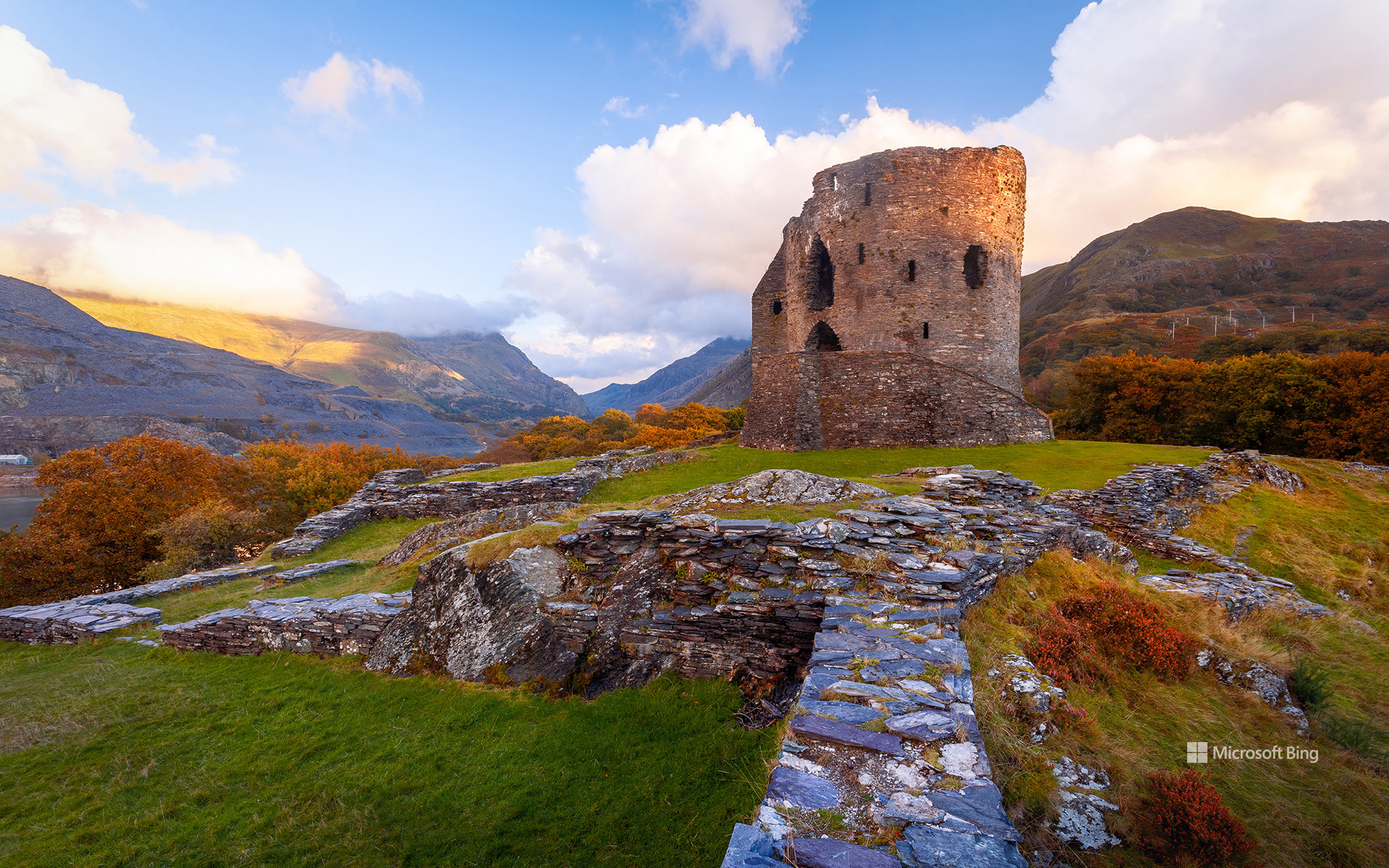
多巴达恩城堡,兰贝里斯,斯诺登尼亚国家公园,威尔士 Dolbadarn Castle, Llanberis, Eryri National Park (Snowdonia), Wales (© joe daniel price/Getty Images)
75载,风华正茂 75 and thriving
威尔士斯诺登尼亚国家公园迎来75周年
如果公园也能写生日手记,威尔士斯诺登尼亚国家公园一定有许多精彩故事可讲。今天是这座公园成立75周年,纪念它于1951年获指定为国家公园。斯诺登尼亚占地823平方英里,拥有九条山脉和74英里海岸线,栖息地类型从泥炭地、原生林地到高地景观不一而足。斯诺登山海拔超过3,500英尺,是斯诺登尼亚的最高点。附近的卡内道山脉和格利德赖山脉群峰耸立,卡代尔伊德里斯山则矗立在南部。这些受保护的景观为野生动物提供了栖息地,其中包括17处国家级自然保护区和56处特殊科学价值地点。
斯诺登尼亚的故事并不只有自然风光,多巴达恩城堡还为其增添了中世纪篇章。这座城堡由卢埃林大帝于13世纪建造,曾守卫穿越兰贝里斯山口的通道,后来还被用作关押一位威尔士亲王的监狱。高50英尺的圆塔至今仍是城堡最具辨识度的特色,俯瞰着附近的林帕达恩湖。
Eryri National Park (Snowdonia) in Wales turns 75
If parks could keep birthday diaries, Eryri National Park (Snowdonia) in Wales would have quite the story to tell. The park turns 75 today, marking the anniversary of its designation in 1951. Eryri stretches across 823 square miles, with nine mountain ranges, 74 miles of coastline, and habitats ranging from peatlands and native woodlands to upland landscapes. At more than 3,500 feet, Yr Wyddfa is Eryri's highest point. Nearby, the Carneddau and Glyderau add their own peaks, while Cadair Idris rises in the south. These protected landscapes provide habitats for wildlife and include 17 National Nature Reserves and 56 Sites of Special Scientific Interest.
And Eryri's story isn't just about nature. Dolbadarn Castle adds a medieval chapter. Built during the 13th century by Llywelyn the Great, the castle guarded the route through Llanberis Pass and later served as a prison for a Welsh prince. Its round tower, standing 50 feet tall, remains its most recognizable feature, overlooking nearby Llyn Padarn.
曼布尔斯码头,斯旺西,威尔士 Mumbles Pier, Swansea, Wales (© Helen Hotson/Shutterstock)
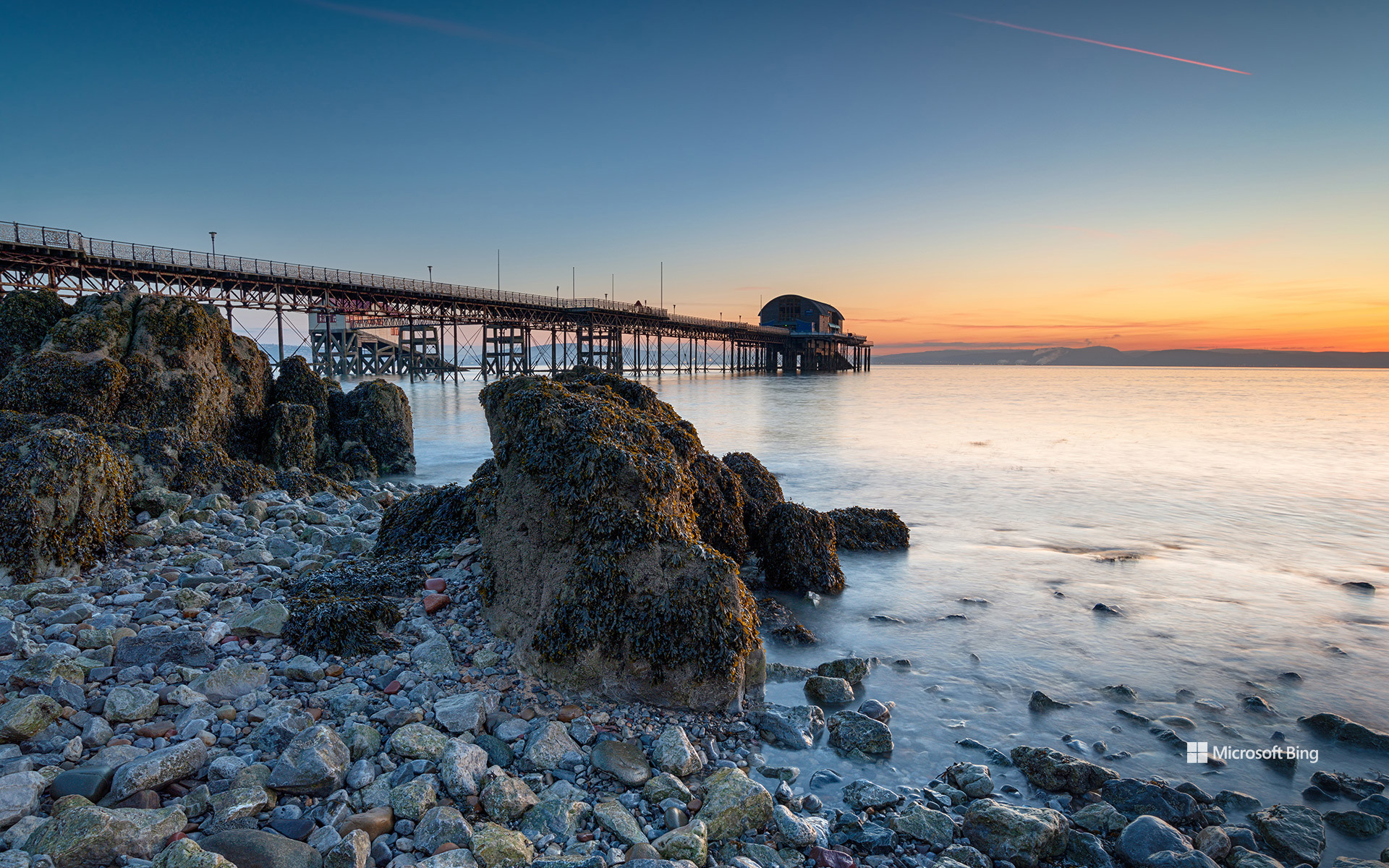
曼布尔斯码头,斯旺西,威尔士 Mumbles Pier, Swansea, Wales (© Helen Hotson/Shutterstock)
从铁轨到潮汐 From tracks to tides
曼布尔斯码头,斯旺西,威尔士
当铁路、救生艇站和海滨一日游在水边相遇,会得到什么?答案是曼布尔斯码头。这座维多利亚时代的地标向斯旺西湾延伸255米,于1898年5月10日开放,自此一直是威尔士海岸的一部分。
这座码头曾是斯旺西和曼布尔斯铁路的西端终点站,该铁路被誉为世界上第一条提供定期客运服务的铁路。如今,铁路已经消失,但这座被列为二级保护建筑的码头依然存在,是威尔士仅存的六座铁制海滨码头之一。它也是英国仍在运营的少数私人所有码头之一。附近还有一个苹果形状的售货亭“大苹果”,为当地增添了又一处别具一格的地标。
一个RNLI救生艇站已在这里运营了一个多世纪,而这一地区也铭记着1947年曼布尔斯救生艇灾难的悲剧。125年多过去了,曼布尔斯码头依然魅力十足。
雪落瀑布,布雷肯比肯斯国家公园,威尔士 Sgwd yr Eira waterfall, Brecon Beacons National Park, Wales (© Guy Edwardes/Nature Picture Library)

雪落瀑布,布雷肯比肯斯国家公园,威尔士 Sgwd yr Eira waterfall, Brecon Beacons National Park, Wales (© Guy Edwardes/Nature Picture Library)
光之水帘 Veil of light
雪落瀑布,布雷肯比肯斯国家公园,威尔士
清澈的水流沿着岩壁整齐地倾泻而下,形成了这座瀑布,这是威尔士南部最具特色的瀑布之一。它的威尔士语名称意为“雪落瀑布”,形容水流像一层淡白色的水帘从岩壁上滑落。这座瀑布的独特之处在于可以从瀑布后方穿行。一条狭窄的小径将游客引到水帘背后,让人近距离感受水声、光线与水雾交织的自然景象。
雪落瀑布位于布雷肯比肯斯国家公园内。这里因众多河流与瀑布在森林峡谷间交错分布,而被称为“瀑布之国”。标识清晰的步道沿着赫普斯特河将多处瀑布连接起来,使这里成为长距离徒步路线中的热门停留点。
在峡谷之上,地貌逐渐过渡为起伏的荒原与绵延的山脊。高地上的步道常常受到强风与多变天气的影响。这种从开阔高地到隐秘水谷的鲜明对比,正是布雷肯比肯斯国家公园独特景观的重要特征。
Sgwd yr Eira waterfall, Brecon Beacons National Park, Wales
Water spills in clean lines at Sgwd yr Eira, one of South Wales' most distinctive waterfalls. Its Welsh name means 'Waterfall of Snow,' referring to the pale curtain of water sliding over the rock face. What sets this waterfall apart is access. A narrow path leads visitors behind the falling water, immersing them in sound, light, and movement at close range. Sgwd yr Eira lies within Brecon Beacons National Park, often called 'Waterfall Country' for its network of rivers and falls carved into wooded gorges. Well-marked trails connect this waterfall to others along the River Hepste, making it a popular stop on longer hikes. Above the valleys, the landscape opens into rolling moorland and long ridgelines where upland paths are shaped by wind and changing weather. These contrasts define the Brecon Beacons, where open, exposed uplands give way to sheltered water, tying the landscape together.
克卢伊德谷, 威尔士 Vale of Clwyd, Wales (© Valerie Blencowe/Getty Images)

克卢伊德谷, 威尔士 Vale of Clwyd, Wales (© Valerie Blencowe/Getty Images)
苹果韵,旧时光 Apple rhymes and old times
旧新年
大多数人会在一月的第一周就完成新年计划。然而威尔士有个迷人的传统,人们总会说:“等等,我们还有一场庆祝活动。”于是便有了“Hen Galan”——“旧新年”的庆祝活动,每年1月13日,在威尔士的几处乡地举行,尤其以格温山谷最为知名。这个日子源自古老的儒略历,虽然英国其他地方早就换成格里高利历了,但这里的人依旧沿用老传统。
除了“旧新年”,威尔士还有个叫Calennig的传统,意思就是“新年礼物”。这天孩子们最忙:他们会准备一种很特别的“装饰苹果”——苹果上插着丁香,顶端放着冬青叶,底下还撑着三根小木脚。然后他们拿着苹果挨家挨户走动,吟诵欢快的童谣以换取硬币或糖果。过去,孩子们还会提着水壶,把水轻轻洒在人们的手和脸上,或洒在屋里,寓意来年好运。
如今,Calennig虽不如往昔盛行,但这项传统并没有消失。学校仍在传授“旧新年”的古老诗歌,社区团体也在努力让这些习俗延续。若你想了解苹果文化,不妨去一趟今日图片中的克卢伊德谷,那是一个真正与苹果结缘的地方。
Hen Galan
Most people wrap up their New Year plans by the first week of January. Wales, however, has a charming habit of saying, 'Hold on—we've got one more celebration left.' Enter Hen Galan, the 'Old New Year,' observed on January 13 in parts of Wales, most famously in the Gwaun Valley. The date survives from the old Julian calendar, kept long after the rest of Britain adopted the Gregorian one.
Alongside Hen Galan is Calennig, a tradition rooted in the Welsh word for 'New Year's gift.' Children lead the festivities with decorated apples—fruit studded with cloves, topped with holly, and balanced on three wooden legs. They carry the apples from house to house, reciting cheerful rhymes in exchange for coins or treats. In the past, kids would also carry jugs of water to splash on people's hands and faces or sprinkle around the house for luck.
Today, Calennig is less widespread than it once was, but the practice hasn't vanished. Schools still teach the old verses for Hen Galan, and local groups keep the customs alive. And if you ever want to see a place with apple-growing heritage, visit the Vale of Clwyd, featured in today's image.
小屋和特尔莫尔灯塔,兰德温岛,威尔士,英国 Cottage with Tŵr Mawr Lighthouse in the background, Ynys Llanddwyn, Wales (© Westend61 on Offset/Shutterstock)
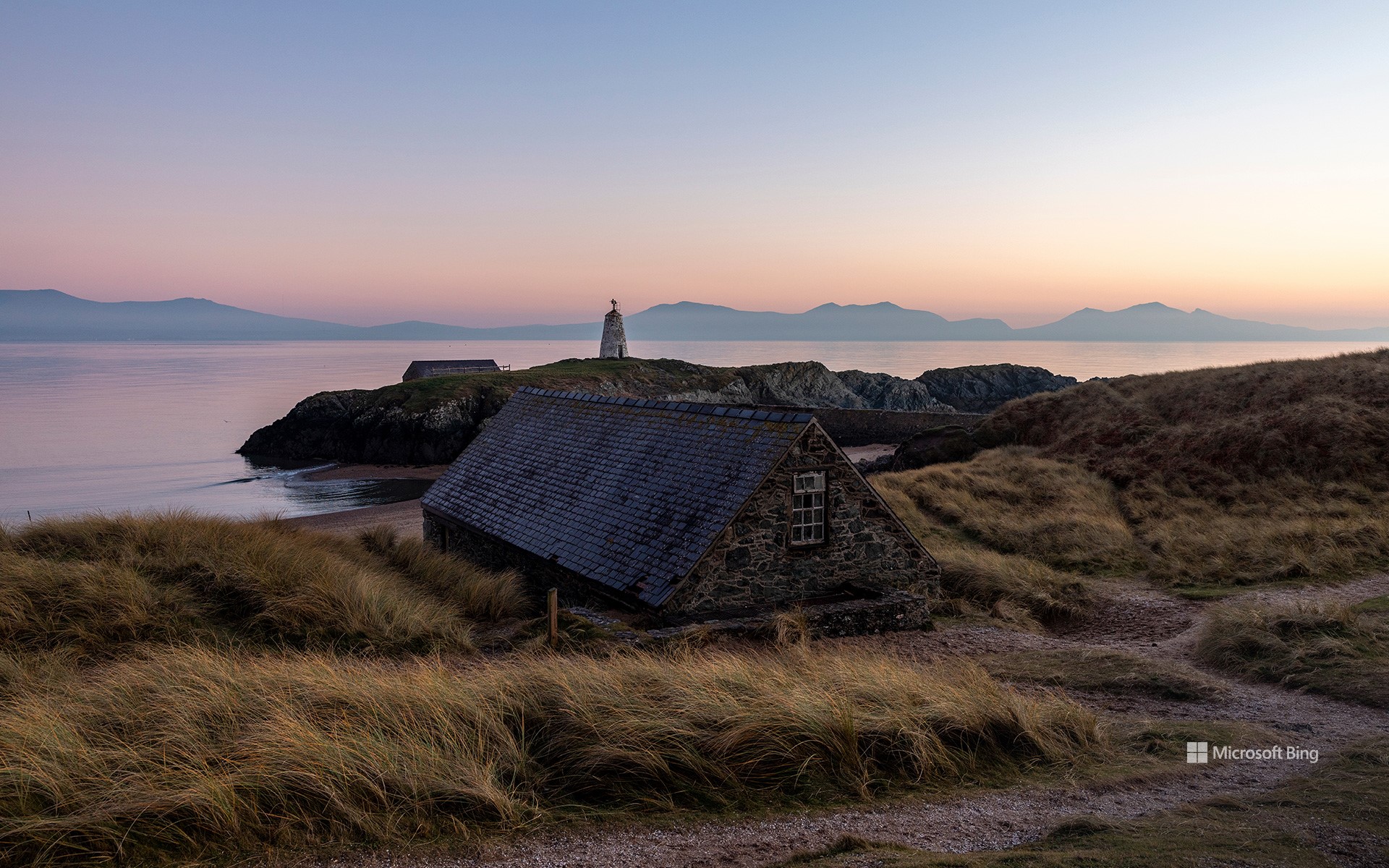
小屋和特尔莫尔灯塔,兰德温岛,威尔士,英国 Cottage with Tŵr Mawr Lighthouse in the background, Ynys Llanddwyn, Wales (© Westend61 on Offset/Shutterstock)
“威尔士”祝你新年快乐! 'Welsh' you a Happy Hen Galan!
威尔士新年快乐!
谁说新年一定要在1月1日?在威尔士,1月13日,人们会“时钟倒转”庆祝盖兰节,也就是“旧新年”。 在这一传统中,“Calennig”(意为“新年礼物”)起着核心作用,将庆典与儒略历时代的风俗相连接。尽管1582年世界大部分地区改用格里高利历,但威尔士的一些地区依然坚持旧传统。在传统上,这一天会有孩子们挨家挨户拜访,唱歌送祝福,以此换取硬币、食物或糖果等礼物。其中一大特色是用丁香装饰的苹果,它们并非用来食用,而是象征好运与繁荣的装饰品。
尽管这些古老的传统在威尔士部分地区有所演变,但“Calennig”的精神依然存在。像威尔士的首都卡迪夫这样的城市已将这一庆典演变成了大型活动,包括烟花表演、集市和社区聚会。如果你的新年目标在1月13日已经动摇,“Calennig ”便为你提供了一个”重启“的机会。何不感受威尔士的魔力?举杯庆祝慢生活,或前往兰德温岛,欣赏这里的灯塔与小屋,这正是今天图片的拍摄地。毕竟,在威尔士,庆祝永远不嫌晚!
Happy Welsh New Year!
Who says New Year's Day has to be on January 1? In Wales, the clocks turn back—figuratively—to celebrate Hen Galan, or the 'Old New Year,' on January 13. As part of this tradition, Calennig, meaning 'New Year's gift' in Welsh, plays a central role, linking the celebration to customs from the Julian calendar era. Even after most of the world switched to the Gregorian calendar in 1582, some Welsh communities clung to their old ways. Traditionally, the day involves children going door-to-door, singing songs, and offering good wishes in exchange for gifts like coins, food, or sweets. A unique feature is its clove-decorated apples. These aren't for snacking, though; they're miniature symbols of luck and prosperity.
While these old traditions have evolved in some parts of Wales, the spirit of Calennig thrives. Cities like Cardiff, the capital of Wales, have transformed the celebration into large-scale events, complete with fireworks, markets, and community gatherings. If your New Year's resolutions are already wobbling by January 13, Calennig offers a do-over. So why not embrace a little Welsh magic? Raise a toast to the joys of taking things slow or visit Ynys Llanddwyn for its lighthouse and cottages, featured in today's image. After all, in Wales, it's never too late to celebrate.
从康威河眺望康威城堡,威尔士 Conwy Castle looking over the River Conwy, Wales (© David Chapman/Alamy Stock Photo)
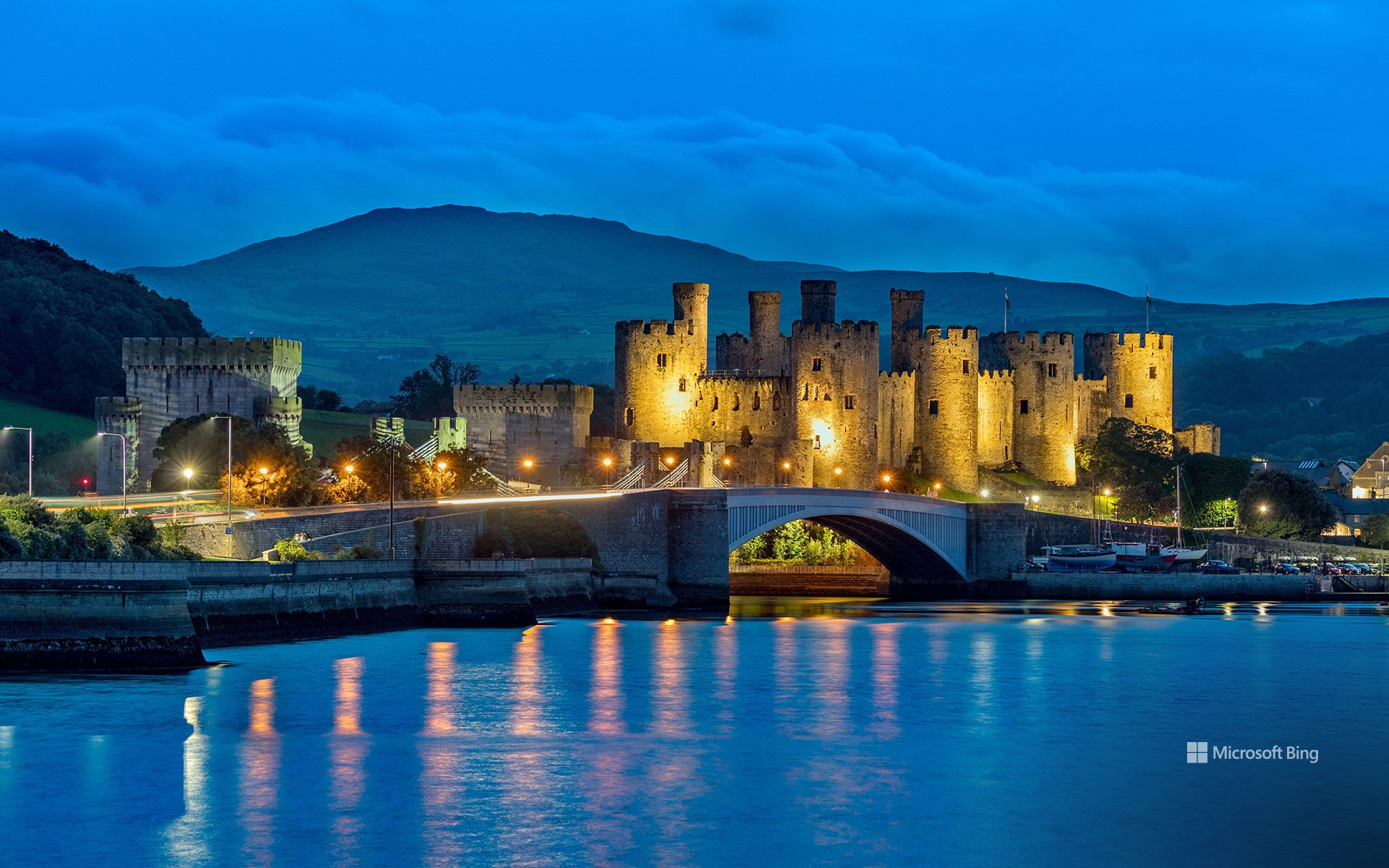
从康威河眺望康威城堡,威尔士 Conwy Castle looking over the River Conwy, Wales (© David Chapman/Alamy Stock Photo)
让我们扬帆起航! Rock the boat
康威河,威尔士
在康威河节上穿越时空,扬帆起航!这项活动于1993年首次在康威城堡下的康威码头举行,体现了威尔士航海传统的精髓。在码头日这一免费露天活动中,划船爱好者们可以尽情体验传统船只和现代船只进行友谊赛的乐趣。人们聚集在一起观看航海游行,品尝当地美食,如用茶、干果和香料调味的茶面包,以及由可食用海藻组成的海藻面包。
康威城堡建于1283年至1287年,由国王爱德华一世在征服威尔士时建造。这座城堡由被誉为欧洲中世纪最伟大的建筑师之一的圣乔治·詹姆斯设计,被联合国教科文组织列为世界文化遗产。下方的康威河全长34英里,其名称来源于威尔士语中的“cyn”(首领)和“gwy”(水)。康威城堡和这条河是对威尔士丰富而动荡的过去的永恒致敬。
Conwy, Wales
Welcome to walled town of Conwy, on the north coast of Wales, UK, and its spectacular medieval castle. Conwy Castle was built between 1283 and 1287 on the orders of English King Edward I, during his conquest of Wales. Designed by James of St. George, one of the greatest architects of the time, the castle is a UNESCO World Heritage Site which draws visitors from across the world.
The castle towers over the River Conwy, which this weekend hosts the annual Conwy River Festival, including boat races and other water-based events. Spectators gather to witness the nautical parade and enjoy local delicacies like bara brith, a tea bread flavored with tea, dried fruits, and spices, and laverbread made from edible seaweed. The name Conwy is from the Welsh words 'cyn' (chief) and 'gwy' (water) and the town sits at the mouth of the river. It is also the gateway to Eryri National Park, home to Wales's highest mountain Yr Wyddfa, or Snowdon in English.
圣德温教堂的废墟,莫纳岛,威尔士,英国 Ruins of St. Dwynwen's Church, Ynys Llanddwyn, Wales, United Kingdom (© Photos by R A Kearton/Getty Images)
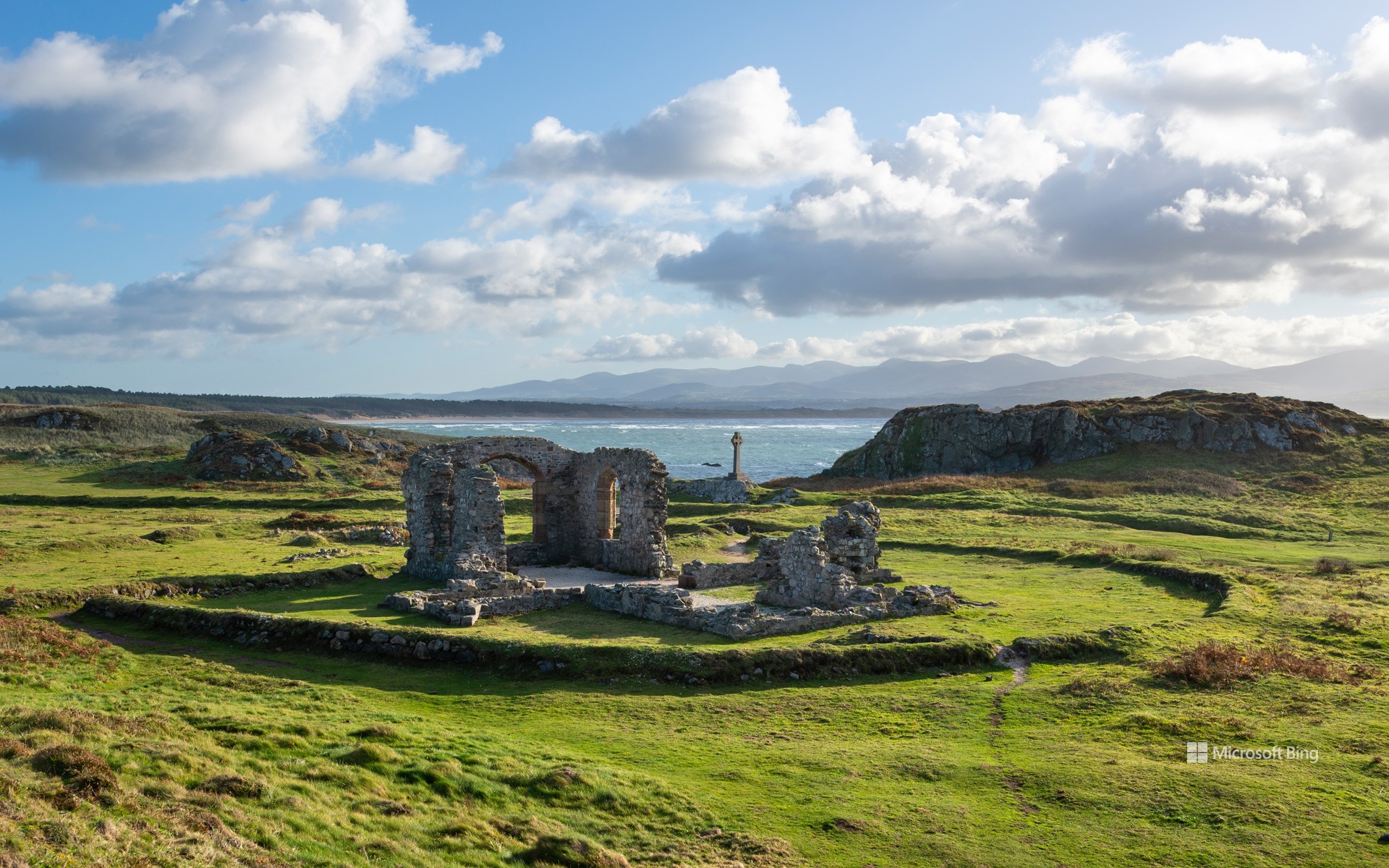
圣德温教堂的废墟,莫纳岛,威尔士,英国 Ruins of St. Dwynwen's Church, Ynys Llanddwyn, Wales, United Kingdom (© Photos by R A Kearton/Getty Images)
通往过去的入口 A portal to the past
圣德温节
兰德温岛是英国威尔士安格尔西岛(又名莫纳岛)西海岸外的一个田园诗歌般的小岛。该岛与恋人的守护神圣德温有着深厚的渊源,这一点从岛名上便可窥见一斑:“兰德温”的意思是 “德温的教堂”。据说在五世纪时,德温公主在经历了一段悲惨的恋情后,来到这座岛上寻求慰藉,随后便隐居于此。当时这位年轻的公主爱上了一位平民,但由于她的国王父亲禁止他们在一起,德温公主便暂时将她的爱人变成了一块冰,然后搬到了这座岛上,并建立了一个修道院。她毕生致力于修行,过着隐士般的生活,帮助人们解决情感问题。德温教堂的遗迹、一口水井和修道院的废墟都是德温公主在这座岛上生活过的证明。1月25日圣德温节被视为威尔士最浪漫的日子,因为它是威尔士的情人节。
Ruins of St. Dwynwen's Church, Ynys Llanddwyn, Wales
Ynys Llanddwyn is a tiny tidal island which, at low tide, is attached to the Isle of Anglesey in Wales. Ynys means 'island' in Welsh and Llanddwyn means 'the church of Dwynwen,' the country's patron saint of lovers.
Legend has it that Dwynwen, a 5th-century Welsh princess, sought solace on this island after a tragic love story. The young woman fell in love with a commoner, but because her royal father forbade the union—and briefly turned her beloved into a block of ice—she moved to the island and set up a convent. She dedicated her life to spirituality, living as a hermit and helping others with matters of the heart. The ruins of Dwynwen's church, a well, and a convent remain on Ynys Llanddwyn and St. Dwynwen's Day, on January 25, is the most romantic day in Wales—the country's very own Valentine's Day.
林帕达恩湖,斯诺登尼亚国家公园, 威尔士 (© Joe Daniel Price/Getty Images)
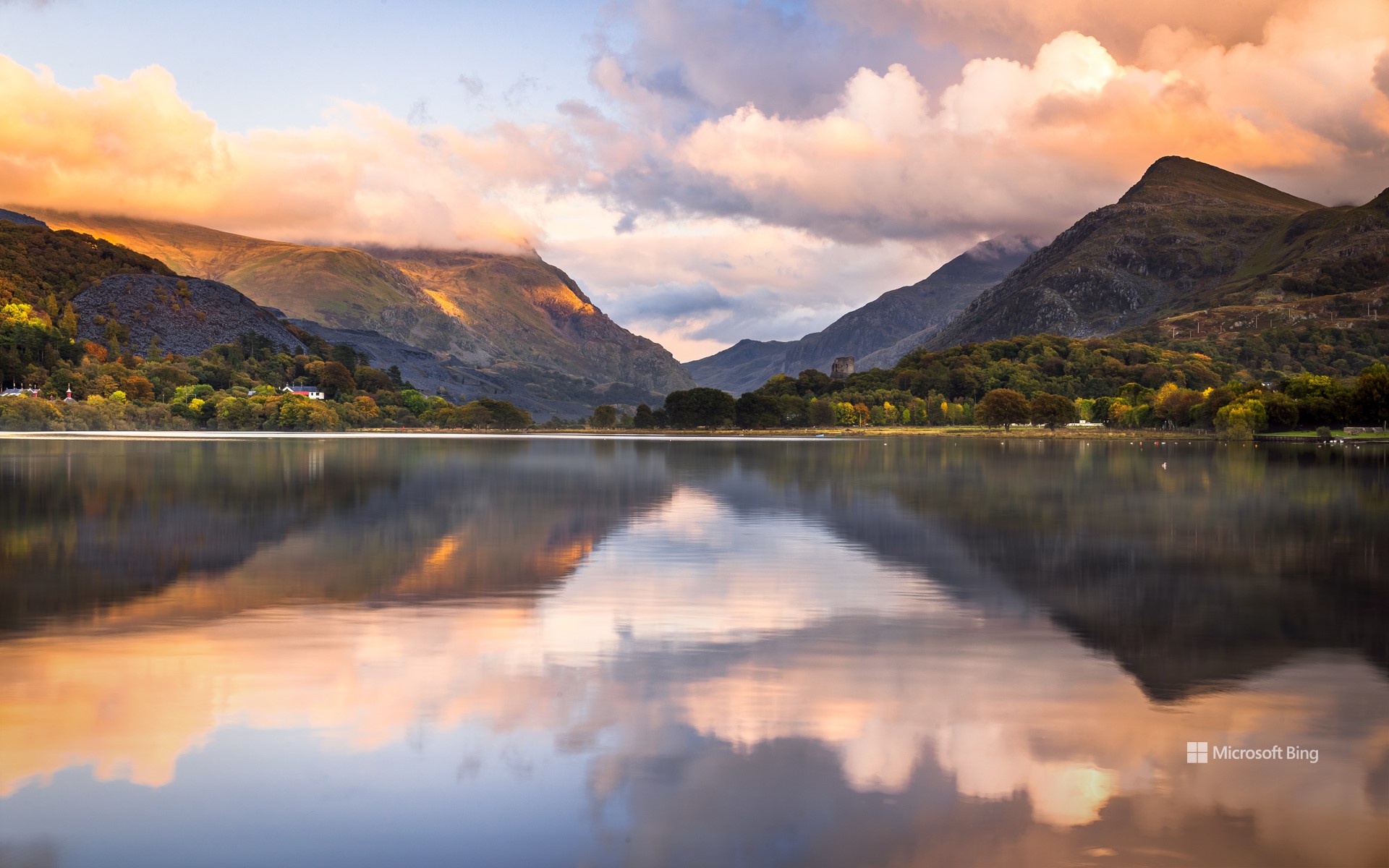
林帕达恩湖,斯诺登尼亚国家公园, 威尔士 (© Joe Daniel Price/Getty Images)
一个让人沉思的地方
林帕达恩湖,斯诺登尼亚国家公园, 威尔士
从波光粼粼的湖水、崎岖的山道、倾泻而下的瀑布到废弃的城堡,斯诺登尼亚国家公园永远令人惊叹。图中的林帕达恩湖位于迷人的兰贝里斯村附近。这个冰川湖长约2英里,深95英尺,是威尔士最大的天然湖泊之一。除此之外,这个冰碛堰塞湖被认定为具有特殊科学价值的地点以及沐浴水域。无论您是皮划艇爱好者,还是桨板运动爱好者,或者只是想简单地沐浴玩水,这里都能满足您的需求。该湖沿岸遍布着板岩采石场的遗迹,让人可以一窥该地区的工业历史。到了那里,别忘了打卡附近的多巴达恩城堡,这座历史悠久的城堡将为您的旅程增添了几分古色古香。
科奇城堡,Tongwynlais,卡迪夫,威尔士,英国,欧洲 (© Billy Stock/robertharding/Alamy Stock Photo)
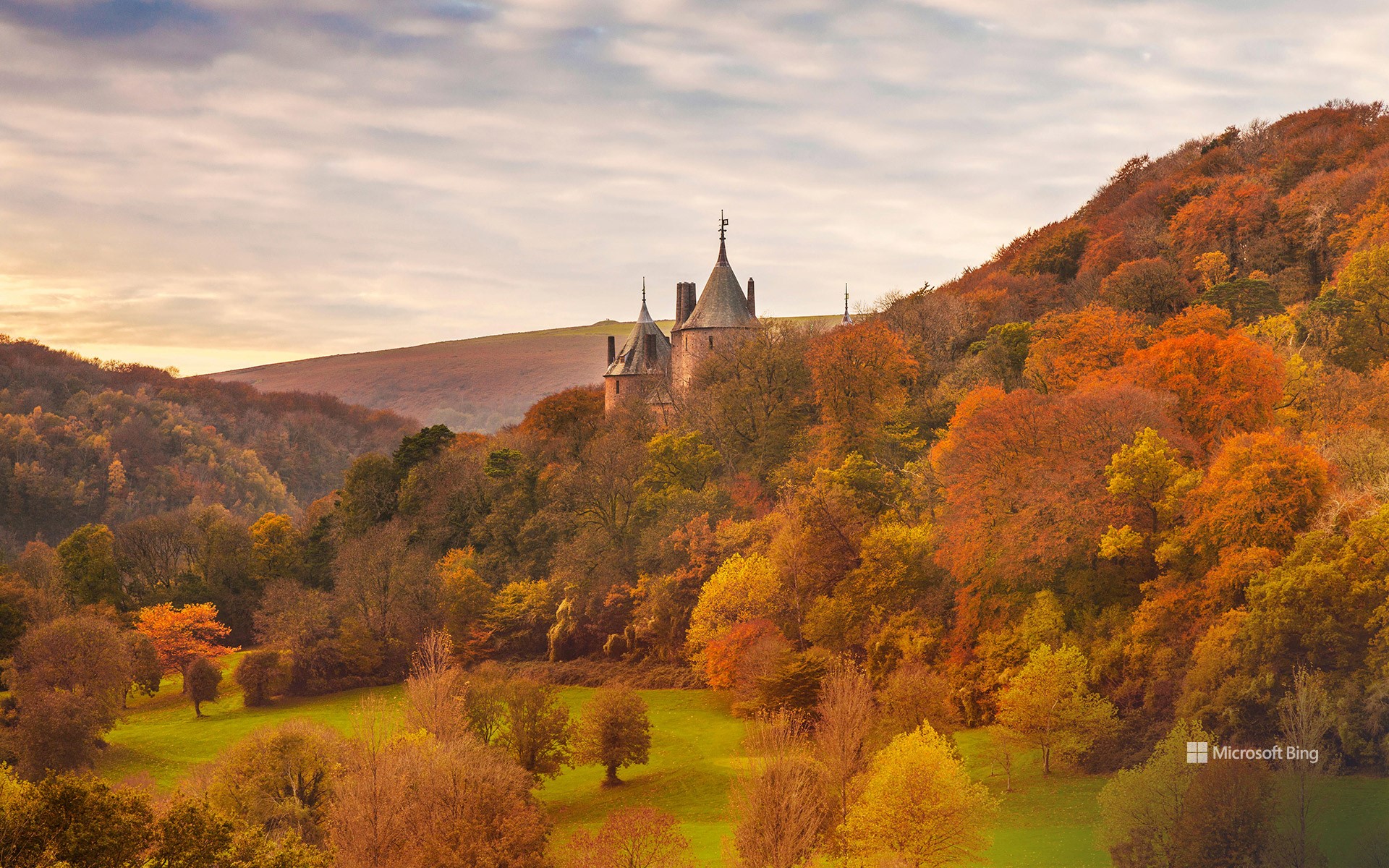
科奇城堡,Tongwynlais,卡迪夫,威尔士,英国,欧洲 (© Billy Stock/robertharding/Alamy Stock Photo)
童话城堡
科奇城堡,威尔士
科奇城堡坐落在威尔士的一座树木繁茂的山丘上,该城堡的名字在威尔士语中的意思是“红色城堡”,著名建筑师威廉·伯吉斯是它的设计师。这座城堡的内部装饰颇为奢华,犹如一首由繁复的雕刻工艺、鲜艳的彩色玻璃和奢华的家具交织而成的华丽交响乐。城堡的独特外形和维多利亚时期的内部设计充分展示了设计师的才华。其设计融合了中世纪的底蕴及19世纪的创新,被誉为英国哥特式复兴的典范。城堡的四周树林密布,从远处望去,宛若童话世界。这片山毛榉森林拥有丰富的植被,包括蝴蝶兰、燕窝兰和多年生山靛等稀有植物,具有特殊的科考价值,因而被保护起来了。
廷特恩修道院,威尔士 Tintern Abbey, Wales (© matthibcn/Getty Images)

廷特恩修道院,威尔士 Tintern Abbey, Wales (© matthibcn/Getty Images)
一扇通向过去的窗 A cantilevered window to the past
廷特恩修道院,威尔士
位于威尔士蒙茅斯郡的廷特恩修道院有着悠久的历史。这座哥特式建筑杰作始建于1131年,最初是木结构的,后来人们又在1269年用石头重新修建了这座修道院。16世纪,亨利八世与天主教会决裂后,随着修道院的解散,这座建筑也被遗弃。在中世纪的历史上,这座修道院可谓是平平无奇。但在其后的几百年间,它复杂的建筑结构和周围浪漫的田园风光声名远播,如今,这座修道院已成为了英国的标志性建筑物。多年以来,从画家透纳到诗人威廉·华兹华斯,无数艺术家都被这座修道院吸引。
Tintern Abbey, Wales
Set deep in a gorge of the UK's River Wye, Tintern Abbey has an enduring presence. Originally built in wood, this Gothic masterpiece in Monmouthshire, Wales, was rebuilt in stone in 1269. It was in use for centuries until the dissolution of the monasteries in the 1530s, when Henry VIII broke with the Catholic Church. The building fell into ruin but, as the centuries passed, word of its intricate stones and romantic, pastoral setting spread. From painter J. M. W. Turner to poet William Wordsworth, many artists were drawn to the abbey over the years. This majestic ruin is now a national icon on the Welsh bank of the River Wye, on the border between Wales and England. There's another abbey in County Wexford, Ireland, of the same name. Back in olden days, the one in Wales was often known as 'Tintern Major,' while the Ireland one was called 'Tintern de Voto' (Tintern of the Vow).