葡萄风信子和郁金香, 库肯霍夫花园, 利塞, 荷兰 Grape hyacinths and tulips, Keukenhof Gardens, Lisse, Netherlands (© Martin Ruegner/Getty Images)

葡萄风信子和郁金香, 库肯霍夫花园, 利塞, 荷兰 Grape hyacinths and tulips, Keukenhof Gardens, Lisse, Netherlands (© Martin Ruegner/Getty Images)
郁金香是这里的主角 Tulips run the show
库肯霍夫花园, 利塞, 荷兰
想象一下,一朵花引发了一场金融狂潮。听起来不太可能,对吧?然而,在17世纪30年代,郁金香在荷兰却做到了这一点。在郁金香狂热时期,稀有的郁金香球茎成了奢侈品,交易价格惊人——有些球茎的价值甚至堪比一栋房子。为什么如此珍贵?因为颜色和条纹图案独特的郁金香稀少且难以预测,收藏家们想要找到他们所能找到的最稀有的品种。
郁金香泡沫最终破灭,但荷兰人对郁金香的热爱却从未消退。几个世纪后,这种与郁金香的深厚情缘又迎来了新的篇章:位于利瑟附近的库肯霍夫花园,也就是今天照片中的这片花园。这座花园于1950年开放,最初是一个春季展览会,荷兰球茎种植者在此向买家和游客展示他们最新的品种。
每年秋季,约有40位园丁会种植超过700万株球茎植物,层层叠叠,营造出色彩缤纷的景象,一直延续到来年春天。其中,约800种郁金香是主角,而葡萄风信子和水仙花则点缀着蓝色和黄色,带来一抹亮丽的色彩。美中不足的是,这座花园每年只对公众开放几周。
Keukenhof Gardens, Lisse, Netherlands
Imagine a flower sparking a financial frenzy. Sounds unlikely, right? Yet in the 1630s, tulips did exactly that in the Netherlands. During tulip mania, rare bulbs became luxury items traded for astonishing sums—some valued at prices comparable to a house. Why so valuable? Unusual colors and striped patterns were scarce and unpredictable, and collectors wanted the rarest varieties they could find.
The bubble eventually burst, but the country's fascination with tulips never faded. Centuries later, that long relationship with the flower found a new stage: Keukenhof Gardens near Lisse, seen in today's image. Opened in 1950, the park began as a spring exhibition where Dutch bulb growers presented their newest varieties to buyers and visitors.
Each autumn, about 40 gardeners plant over seven million bulbs in layered designs so colors appear in waves through spring. Around 800 varieties of tulips lead the show, while grape hyacinths and daffodils add bursts of blue and yellow. The catch? The garden opens to the public for only a few weeks each year.
阿姆布鲁大桥,阿姆斯特丹,荷兰 Armbrug bridge, Amsterdam, Netherlands (© Alexander Spatari/Getty Images)

阿姆布鲁大桥,阿姆斯特丹,荷兰 Armbrug bridge, Amsterdam, Netherlands (© Alexander Spatari/Getty Images)
一次挥动桥臂,连接两岸 Bridging the gap, one arm at a time
阿姆布鲁赫桥,阿姆斯特丹,荷兰
在阿姆斯特丹,有些桥梁只是用来跨越运河,而阿姆布鲁赫桥(Armbrug)则多了一份趣味——当人们经过时,它仿佛在向行人挥手致意。这座桥横跨在旧侧沃堡运河之上。它的名字意为“手臂桥”,但实际上并不是指桥的形状,而是源自附近的一条小巷——Oudezijds Armsteeg(旧侧臂巷)。虽然名字与“手臂”有关,但更像是一种有趣的联想,让人不禁想象它正向经过的骑行者和行人友好地打招呼。
这座历史悠久的桥梁由混凝土建成,是一座固定式桥梁,不会像阿姆斯特丹的许多运河桥那样开启或升起,而是静静地连接运河两岸,让当地居民和游客安全通行。不过,它真正的魅力在于周围的景致:运河两岸排列着典雅的历史建筑,远处还能看到St. Nicholas Church的身影,而附近的Kolksluis船闸也为景色增添了独特的运河风情,使这里成为摄影爱好者喜爱的取景地点。
过去,艺术家们常常在这座桥上写生、作画,用运河景色吸引来自荷兰各地的游客。直到今天,这里依然是人们拍照留影和悠闲散步的热门地点。朴实、坚固而又风景优美,阿姆布鲁赫桥(Armbrug)证明了一点:有些桥梁的意义不仅在于连接两岸,更在于让人们与这座城市的历史与精神产生联系。
Armbrug bridge, Amsterdam, Netherlands
Some bridges in Amsterdam just get you across a canal. The Armbrug does more—it seems to wave hello as you pass. Nestled over the Oudezijds Voorburgwal canal, its name, meaning 'arm bridge,' refers to the nearby Oudezijds Armsteeg (Old Side Arm Alley), not a literal limb, but it's easy to imagine it greeting cyclists and pedestrians along the way.
Built of concrete, this historic fixed bridge doesn't swing or lift—it simply carries locals and visitors safely across the water. Yet its charm lies in the view: historic buildings lining the canal, glimpses of St. Nicholas Church, and the Kolksluis lock make it a photographer's delight.
Artists once sketched and painted the view from the bridge to lure visitors from Dutch provinces, and today it remains a favorite spot for pictures and casual strolls. Simple, sturdy, and scenic, the Armbrug proves that sometimes, the best bridges don't just connect places—they connect people with the city's history and spirit.
斯皮格尔运河上的灯光装饰, 阿姆斯特丹, 荷兰 Light decorations on Spiegelgracht canal, Amsterdam, Netherlands (© Amith Nag Photography/Getty Images)

斯皮格尔运河上的灯光装饰, 阿姆斯特丹, 荷兰 Light decorations on Spiegelgracht canal, Amsterdam, Netherlands (© Amith Nag Photography/Getty Images)
静谧水波,闪耀灯影 Still waters, bright lights
阿姆斯特丹的斯皮格尔运河,荷兰
你有没有想过,运河如何影响城市的演变?几千年来,人们修筑运河,用于运输、控水和连接各地。从古代美索不达米亚和埃及,到中世纪的欧洲,运河让威尼斯、布鲁日等城市成为繁荣的贸易枢纽。到了17世纪,荷兰更进一步,规划出影响城市格局的水道,阿姆斯特丹便是其中的典范。
阿姆斯特丹被誉为"北方威尼斯",城市纵横交错的运河全长约60英里,构成了被联合国教科文组织列入世界遗产的运河区。大多数运河两侧都有道路,如今这些水道成为旅游和休闲的胜地。市中心的斯皮格尔运河,是今日画面中的主角,以艺术画廊、古董店和静谧的水面闻名,“镜子运河”之名正源于此。夜色中,桥梁与树木披上节日的光辉,灯影在水面上闪烁。圣诞临近,这些运河仿佛一条条闪亮的历史长链,见证着过去的光芒仍在当下熠熠生辉。
Spiegelgracht canal in Amsterdam, Netherlands
Have you ever wondered how canals changed the way cities developed? For thousands of years, people have built canals to transport goods, control water flow, and connect places. From ancient Mesopotamia and Egypt to medieval Europe, they transformed cities like Venice and Bruges into trade hubs. The Netherlands took this even further—by the 17th century, they were designing waterways that shaped cities such as Amsterdam.
It's no wonder Amsterdam is nicknamed the 'Venice of the North.' The city's 60-mile-long network of canals forms part of the UNESCO-listed Canal District. Mostly flanked by roads on both sides, these routes are now used for tourism and recreation. In the center of the city is the Spiegelgracht canal seen in today's image. It is famous for its art galleries, antique shops, and serene reflections that inspired its name, 'Mirror Canal.' As night falls, bridges and trees glow with festive lights, their reflections shimmering across the calm water. With Christmas just around the corner, these canals resemble glowing strings of history—proof that the past still shines bright in the present.
荷兰梵高国家森林公园的马鹿雄鹿, 荷兰 Red deer stag in De Hoge Veluwe National Park, Netherlands (© CreativeNature_nl/Getty Images)

荷兰梵高国家森林公园的马鹿雄鹿, 荷兰 Red deer stag in De Hoge Veluwe National Park, Netherlands (© CreativeNature_nl/Getty Images)
哎呀,好冷啊! Oh deer, it's cold!
荷兰梵高国家森林公园的马鹿雄鹿,荷兰
想象一下,在一片21平方英里的开阔土地,野生动物自由穿梭,一头雄鹿昂首炫耀着它的鹿角王冠。1909年,安东·克勒勒与海伦娜·克勒勒·穆勒在荷兰海尔德兰开启了一个梦想:建造一座私人庄园,后来成为了梵高国家森林公园。他们的理念是让艺术融入自然,于是将雕塑与景观相结合——亨利·摩尔的《三种直立动机》伫立在潘佩尔瑟沙地,比利时建筑师亨利·范德维尔德设计的总统斯泰恩石凳静静守候,众多艺术作品点缀其间。
如今,公园内的森林、沙丘、荒原和林地,栖息着野猪、狍子、盘羊、狼,以及无数鸟类。但真正的焦点,是雄性红鹿。成年雄鹿体重可达160至240公斤,肩高约1至1.3米。它们以草、树叶和嫩枝为食,也会享用水果和橡子。每到发情季,雄鹿会展示鹿角并发出低沉的吼声,宣示领地。它们的活动范围虽不广,但觅食与求偶的足迹却让整座公园生机盎然。
Red deer stag in De Hoge Veluwe National Park, Netherlands
Picture 21 square miles of open land, wildlife on the move, and a stag flaunting its crown of antlers. In 1909, husband and wife Anton Kröller and Helene Kröller-Müller began building a private estate in Gelderland, Netherlands—what we now know as De Hoge Veluwe National Park. Their vision? To merge art and nature. They brought it to life by placing artwork within the landscape, like 'Three Upright Motives' by English sculptor Henry Moore in the Pampelse Zand and the President Steyn stone bench by Belgian architect Henry van de Velde, among others.
Today, the park's forests, woodlands, sand dunes, and heathlands shelter wild boar, roe deer, mouflon, wolves, and countless birds. Yet red deer stags steal the show. Adult males weigh 350 to 530 pounds and stand about 40 to 50 inches at the shoulder. They graze on grass, leaves, and shoots, but also won't say no to fruit or acorns. During the rut, stags display their antlers and bellow to claim territory. They may not travel far, but their search for food and mates keeps the park alive with movement.
豪滕镇的彩虹屋, 荷兰 The Rainbow Houses of Houten, Netherlands (© George Pachantouris/Getty Images)

豪滕镇的彩虹屋, 荷兰 The Rainbow Houses of Houten, Netherlands (© George Pachantouris/Getty Images)
彩虹骑行与宁静氛围 Rainbow rides and quiet vibes
彩虹屋,荷兰豪滕
你不会找到纪念品商店或旅游地图指引方向——但沿着豪滕的里特普拉斯湖畔,你会偶然发现荷兰最令人意想不到的上镜景点之一。虽然许多人涌向阿姆斯特丹的运河或鹿特丹的方块屋,但这座宁静的通勤小镇却拥有独特的建筑风格。彩虹屋如海市蜃楼般鳞次栉比,闪耀着大胆的绘画色彩——一个住宅区变成了一个低调的文化地标。
对当地人来说,它们只是日常生活的一部分。但对于摄影师和设计爱好者来说,它们是色彩饱和、对称的梦幻景观。该建筑群由汉斯·比恩 (Hans Been) 设计,于 2005 年竣工,将加勒比海风情与北欧的内敛风格融为一体,呼应了简约渔村的面貌。每栋房子都反射出不同的色彩。这不是一个精心策划的旅游景点;这些都是有人居住的住宅,它们所在的社区也经过了同样周到的规划,而豪滕正是凭借这种规划成为全国最适合骑自行车的城镇之一。从湖对岸或附近的桥上欣赏这些色彩鲜艳的建筑外观最为理想,它们就像一个秘密,只有在合适的光线下才能幸运地捕捉到:迷人、惊喜,而且低调得令人耳目一新。
The Rainbow Houses of Houten, Netherlands
You won't find souvenir shops or tourist maps pointing the way—but follow the edge of Lake Rietplas in Houten, and you'll stumble upon one of the Netherlands' most unexpectedly photogenic sights. While many flock to Amsterdam's canals or Rotterdam's cube houses, this quiet commuter town offers its own architectural twist. Lined up like a mirage, the Rainbow Houses shimmer in bold, painterly hues—a residential block turned an understated cultural landmark.
To locals, they're simply part of the daily backdrop. But for photographers and design lovers, they're a dreamscape of saturation and symmetry. Designed by Hans Been and completed in 2005, the ensemble blends Caribbean flair with Nordic restraint, echoing the look of a minimalist fishing village. Each house reflects a different color of the spectrum. This isn't a curated tourist stop; these are lived-in homes, part of a neighborhood shaped by the same thoughtful planning that makes Houten one of the most bike-friendly towns in the country. Best seen from across the lake or a nearby bridge, these vibrant facades feel like a secret you're lucky to catch in the right light: charming, surprising, and refreshingly under the radar.
郁金香,荷兰 Tulip fields in Netherlands (© 1111IESPDJ/Getty Images)
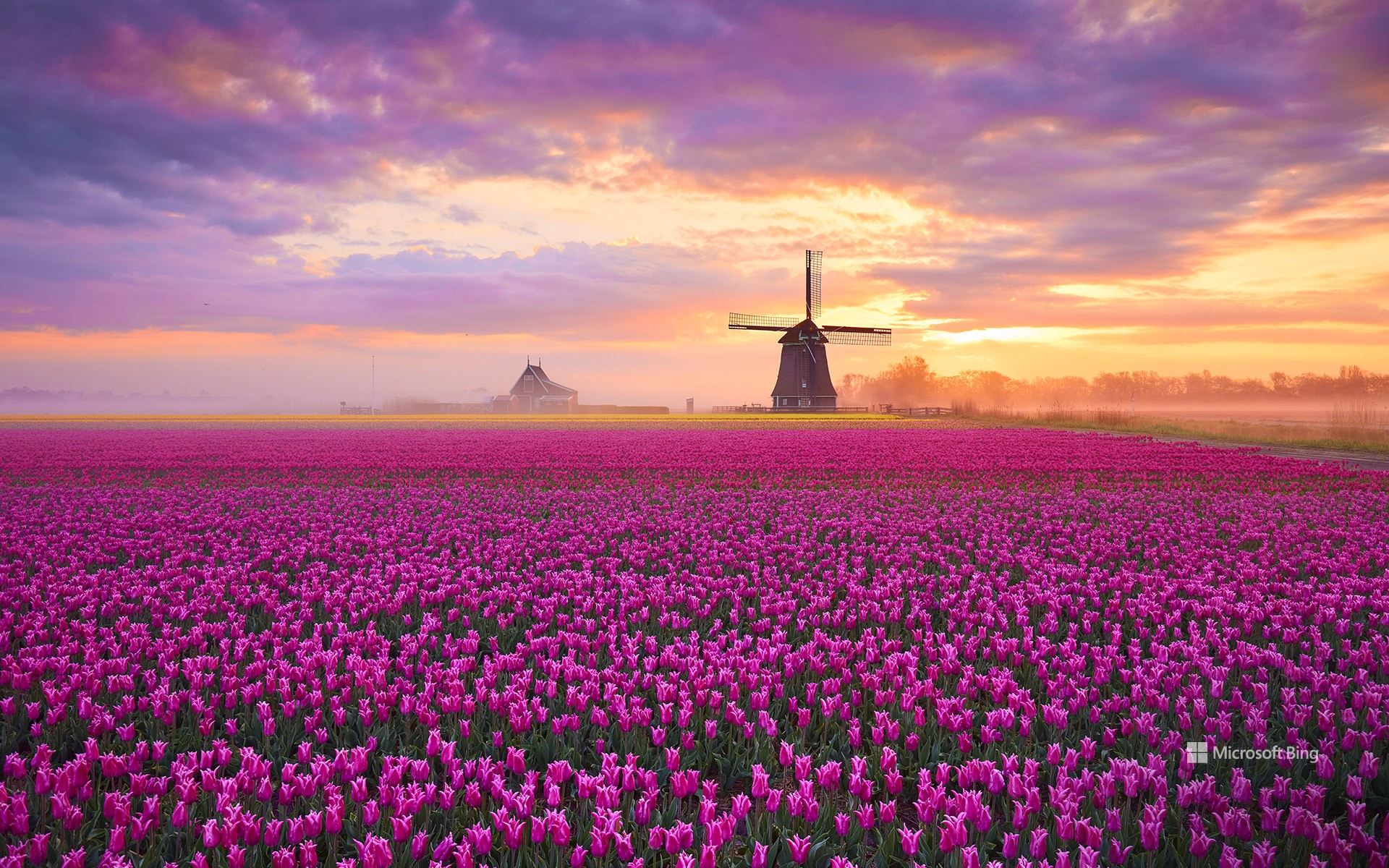
郁金香,荷兰 Tulip fields in Netherlands (© 1111IESPDJ/Getty Images)
盛放的美好时光 A blooming good time
郁金香,荷兰
从著名的郁金香花田到世界上最大的花卉拍卖市场,荷兰与郁金香的渊源悠久。有趣的是,郁金香的原产地并非荷兰。这些绚丽的花朵最早于 16 世纪末由奥斯曼帝国传入荷兰。到了 17 世纪,郁金香的价值飙升,甚至一颗郁金香球茎的价格曾超过一栋房屋。这一时期被称为“郁金香狂热”,常被视为是最早有记录的金融泡沫之一。1637 年价格崩盘后,许多人一夜破产,但荷兰人对郁金香的喜爱却从未消退。
最著名的郁金香花田,如今日图片中展示的壮观景象,主要分布在阿姆斯特丹郊外的博尔伦斯特雷克(花卉区)等地。红、黄、粉、紫等色彩斑斓的郁金香花海绵延至天际。另一处不可错过的赏花胜地是位于利瑟的库肯霍夫公园,这是世界上最著名的花卉公园,每年春天仅开放数周,展示超过七百万株花卉,包括稀有和异国品种的郁金香。公园的花卉设计每年都会变化,因此每次参观都会带来全新的体验。如果错过了郁金香的花期,也无需遗憾。荷兰的郁金香产业全年保持繁荣,这一点在阿尔斯梅尔花卉拍卖市场体现得尤为明显,作为全球最大的花卉交易市场,这里每天有数百万朵鲜花,包括郁金香,被买卖并运往世界各地,为无数家庭带去缤纷色彩和春天的气息。
Tulips, Netherlands
From famous tulip fields to the world's largest flower auction, the Netherlands and tulips go a long way back. Tulips didn't originate here. These beauties arrived in the country in the late 16th century, brought from the Ottoman Empire. By the 17th century, they became so valuable that a single bulb could cost more than a house. This period, known as 'tulip mania,' is considered one of the first recorded financial bubbles. When prices crashed in 1637, fortunes were lost, but the love for tulips remained.
The most famous tulip fields, like the ones pictured here, are found in regions such as the Bollenstreek (Bulb Region), just outside Amsterdam. Rows of red, yellow, pink, and purple stretch as far as the eye can see. Then there's Keukenhof, in Lisse, the world's most famous flower park, open only for a few weeks each spring. It showcases over 7 million flowering bulbs, including rare and exotic tulip varieties. The designs change every year, so no two visits are ever the same. If you miss the bloom, don't worry—the Netherlands keeps its tulip industry thriving year-round. The Dutch take their tulips seriously, and nowhere is this more evident than at the Aalsmeer Flower Auction, the largest flower market in the world. Here, millions of flowers, including tulips, are bought and sold daily, making their way to homes across the globe.
瓦登海沿岸,莫德加特附近,弗里斯兰,荷兰 Wadden Sea coast, near Moddergat, Friesland, Netherlands (© Ron ter Burg/Minden Pictures)
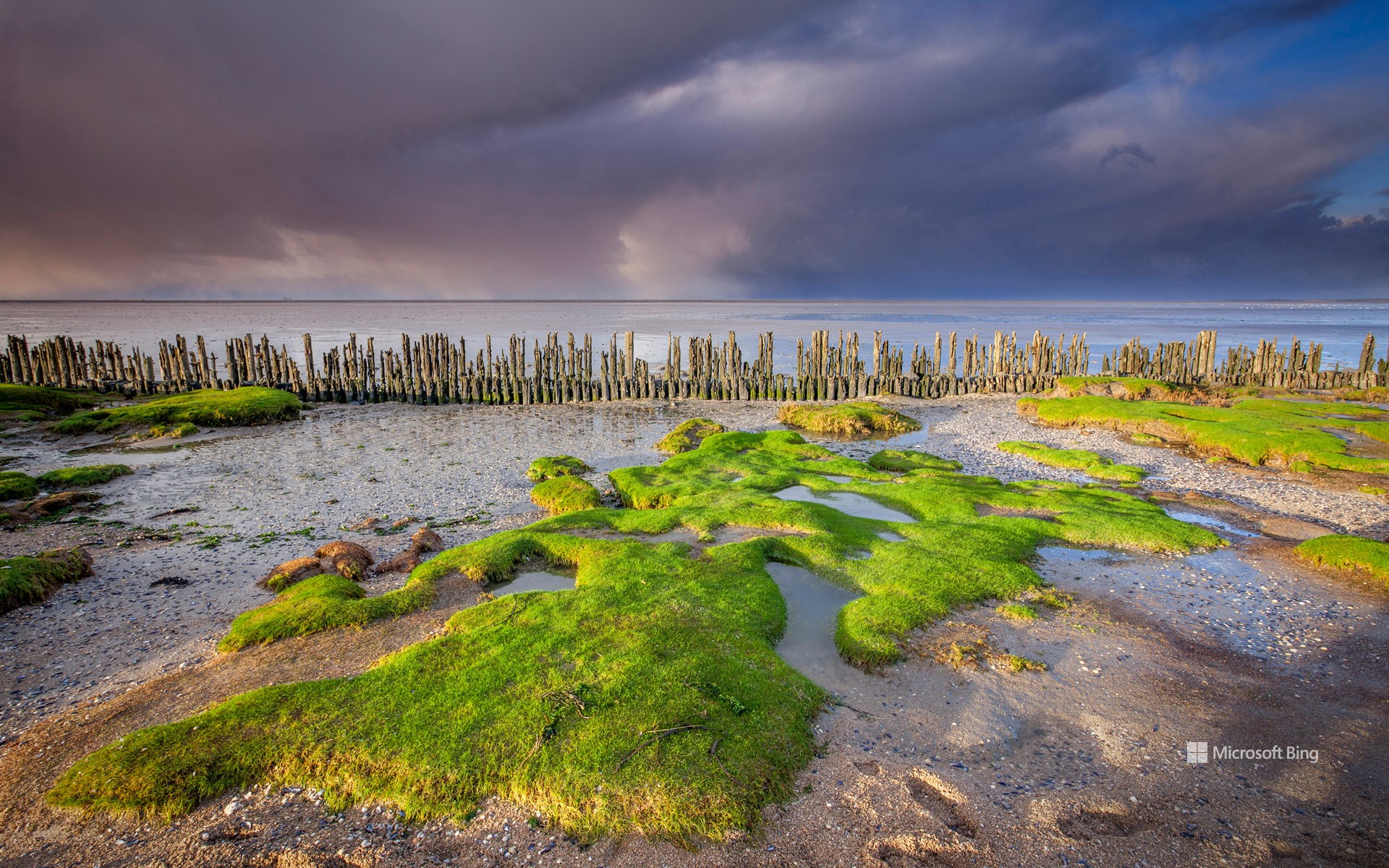
瓦登海沿岸,莫德加特附近,弗里斯兰,荷兰 Wadden Sea coast, near Moddergat, Friesland, Netherlands (© Ron ter Burg/Minden Pictures)
泥土、大海和天空 Mud, sea, and sky
瓦登海沿岸,弗里斯兰,荷兰
如果你曾经想过在水上漫步,或者在接近水面的地方行走,瓦登海就是你的理想之地。沿着荷兰、德国和丹麦的海岸绵延300多英里,这个联合国教科文组织认定的世界遗产拥有独特的滩涂和湿地景观。事实上,它是世界上最大的完整潮间带(即涨潮时在水下,退潮时露出水面的沙地和泥滩)。该地区既是突唇白鲑、褐鳟和白喙斑纹海豚等水生物种的游乐场,也是涉禽和苍鹭等鸟类的栖息地。
图为荷兰弗里斯兰的瓦登海岸。这片海岸遍布着迷人的渔村和中世纪教堂。在这里,泥滩徒步旅行是一种娱乐消遣,瓦登海是一个很受欢迎的目的地。当潮水退去时,泥滩徒步旅行者可以在海床上行走,踩着泥浆,涉过浅水。无论你是想挑战瓦登海,还是想探寻海豹的踪迹,这里都能为你提供丰富的探险活动。只是别忘记带上一双可以在泥滩中行走的靴子!
Wadden Sea coast, Friesland, Netherlands
If you've ever dreamed of walking on water, or something close to it, the Wadden Sea is the place for you. Tracing over 300 miles along the coast of the Netherlands, Germany, and Denmark, this UNESCO World Heritage Site offers a unique landscape of tidal flats and wetlands. In fact, it is the world's largest unbroken intertidal zone—underwater at high tide and exposed at low tide—of sand and mud flats. The area is also a playground for aquatic species such as houting fish, brown trout, and white-beaked dolphins, and is home to birds like waders and herons.
Pictured here is the Wadden Sea coast in Friesland, Netherlands. This coast is dotted with charming fishing villages and medieval churches. Mudflat hiking is a recreational pastime here—the Dutch call it wadlopen. As the tide recedes, mud-trampers can walk across the seabed, squishing through the mud and wading through shallow waters. Whether you're up for a wadlopen challenge or a seal-spotting safari, there's plenty of adventure to be found here. Just don't forget your boots—things are bound to get a little messy!
旧西街区,阿姆斯特丹 ,荷兰 Oud-West neighborhood, Amsterdam, Netherlands (© George Pachantouris/Getty Images)
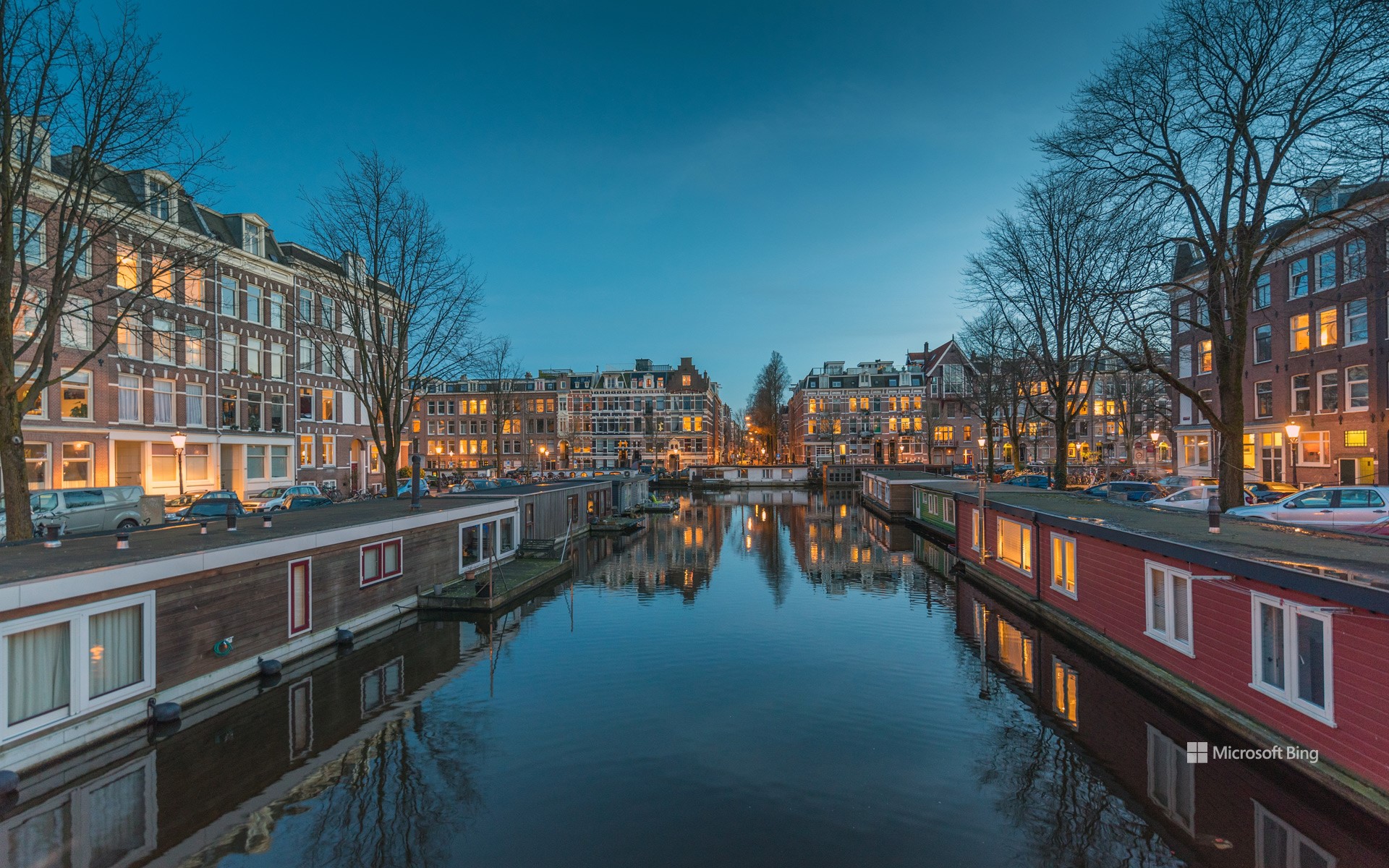
旧西街区,阿姆斯特丹 ,荷兰 Oud-West neighborhood, Amsterdam, Netherlands (© George Pachantouris/Getty Images)
旧西街区的故事 Oud-West side story
旧西街区,阿姆斯特丹 ,荷兰
欢迎来到阿姆斯特丹!荷兰首都阿姆斯特丹以其历史悠久的运河、多姿多彩的建筑和悠闲自在的氛围吸引着来自世界各地的游客。这座城市的历史可以追溯到12世纪,当时它还是阿姆斯特尔河畔的一个渔村。如今,阿姆斯特丹拥有梵高博物馆、EYE电影博物馆和国家海事博物馆等机构,让人们可以深入了解阿姆斯特丹的历史和艺术遗产。阿姆斯特丹的同心圆型运河区建于17世纪,已被联合国教科文组织列为世界遗产。此外,这座城市还拥有众多的餐馆、古董店和露天市场,图片上展示的旧西街区就是其中之一。准备好骑自行车吧,因为阿姆斯特丹的自行车文化无处不在。阿姆斯特丹拥有约320英里长的自行车道,是世界上最适合骑自行车的城市之一。
Oud-West, Amsterdam, Netherlands
Welcome to Amsterdam! The capital of the Netherlands charms visitors with its historic canals, versatile architecture, and laid-back vibe. The city's history can be traced back to the 12th century when it was a fishing village on the banks of the Amstel River. Institutions like the Van Gogh Museum, the Eye Film Museum, and the National Maritime Museum offer insights into its history and arts legacy. Amsterdam's canal ring area, built at the turn of the 17th century, is a UNESCO World Heritage Site. The city is also home to its fair share of restaurants, vintage shops, and outdoor markets in neighborhoods like Oud-West, pictured in today's image. Get ready to pedal because Amsterdam's cycling culture is ubiquitous. With approximately 320 miles of bike lanes, it's one of the most bike-friendly cities in the world.
费吕沃湖水道桥,荷兰 Veluwemeer Aqueduct, Netherlands (© Frolova_Elena/Shutterstock)

费吕沃湖水道桥,荷兰 Veluwemeer Aqueduct, Netherlands (© Frolova_Elena/Shutterstock)
一年已过半 We're halfway there
一年已过半
平年有365天,今天恰好是中间日,也就是平年的中间点。中间日,在平年的7月2日的中午开始,在闰年的7月2日的午夜开始。2023年是平年,所以你去吃午饭的时候正好是一年的中间点哦。
图上是荷兰的费吕沃湖水道桥。这座水道桥于2002年完工,采用了一种与众不同的设计:它没有让车辆直接横穿费吕沃湖,而是修建了一条水下隧道供汽车从水下通行,这样船只也可以自由地在水面通行了。这条隧道的两边都有人行横道,连接着大陆和世界上最大的人工岛弗莱福兰岛。工程师们本可以建造出一个只满足部分行人需求的东西,但是他们却找到了一个适用于所有人的解决方案。
It's Halfway Day!
Today is Halfway Day, which means we are halfway through 2023! Halfway Day begins at noon on July 2 during a regular 365-day year, and at midnight on July 2 during a leap year—so this year, we're celebrating at lunchtime.
Dutch engineers don’t do things by halves. Pictured here is the Veluwemeer Aqueduct in the Netherlands. The project, completed in 2002, used an unusual engineering approach. Rather than a drawbridge or ferry to get cars over Lake Veluwemeer, engineers instead built this 'water bridge' to carry boats across the road. The N302 is a busy highway connecting the mainland to the province of Flevoland, and thanks to this design, both road and waterborne traffic can keep flowing freely. The aqueduct also has pedestrian crossings on both sides, so everyone benefits. No half measures were taken in designing an eye-catching transport solution that works for everyone.
金德代克风车群,荷兰 Windmills, Kinderdijk, Netherlands (© Achim Thomae/Getty Images)
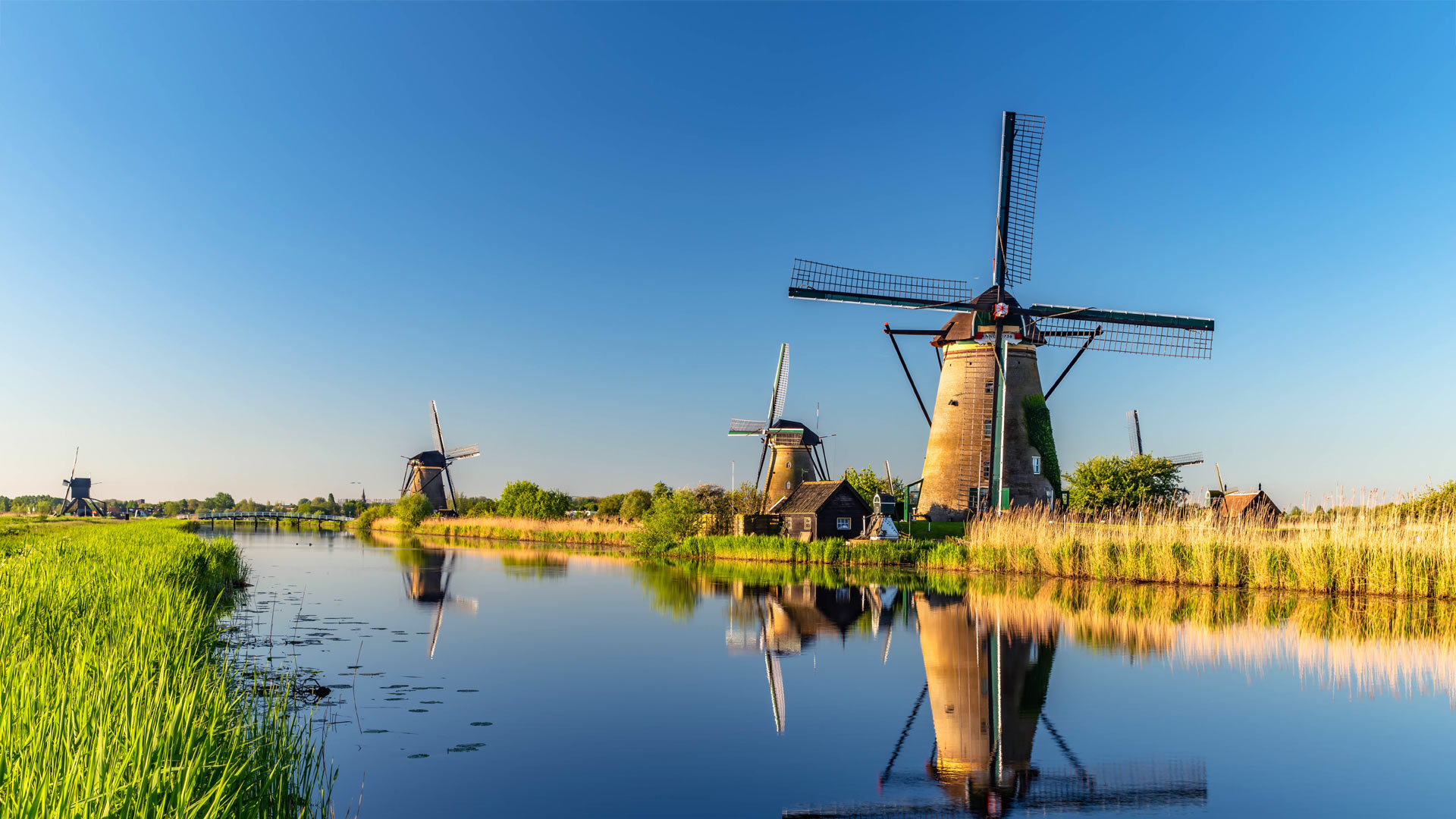
金德代克风车群,荷兰 Windmills, Kinderdijk, Netherlands (© Achim Thomae/Getty Images)
可靠的移水器 Trusty water-shifters
Windmills in Kinderdijk, the Netherlands
This stretch of windmills is one of the best-known Dutch tourist sites—you probably recognize them from postcards and calendars. Both iconic and historic, the windmills in the village of Kinderdijk have been a UNESCO World Heritage Site since 1997. The Netherlands has about 1,200 windmills, though only 300 or so are still operational. Over the years they've played a major role in pumping sea water away from the nation's reclaimed land. Keeping the water at bay is a perennial issue for the flat 'low countries,' where much of the ground is below sea level.
The second Saturday in May—today!—is National Windmill Day in the Netherlands, when windmills all over the country open their doors to visitors, letting locals and tourists alike marvel over the simple yet highly effective inner workings. And of course, though wind is a force of nature that's been harnessed for centuries, it's having a resurgence, albeit in a more high-tech form. It's a leading producer of 'green' energy and is expected to grow dramatically in the coming years. So, on National Windmill Day, let's tip our hats to these sturdy ancestors while also cheering the pioneering work of the sleek, graceful new generation.
荷兰金德迪克的风车
这段风车是荷兰最著名的旅游景点之一,你可能从明信片和日历上就能认出它们。Kinderdijk村的风车既是标志性的也是历史性的,自1997年以来一直是联合国教科文组织的世界遗产。荷兰约有1200座风车,但仍在运营的只有300座左右。多年来,他们在将海水从国家填海区抽走方面发挥了重要作用。对于地势平坦的“低海拔国家”,保持海水不受影响是一个长期存在的问题,那里的大部分土地低于海平面。
今天是五月的第二个星期六-是荷兰的国家风车日,全国各地的风车向游客敞开大门,让当地人和游客都惊叹于简单但高效的内部工作。当然,尽管风是一种自然力,已经被利用了几个世纪,但它正在复兴,尽管是以更高科技的形式。它是“绿色”能源的主要生产商,预计未来几年将大幅增长。因此,在全国风车日,让我们向这些强壮的祖先致敬,同时也为时尚优雅的新一代的开拓工作欢呼。