焦特布尔蓝色之城,印度 The Blue City of Jodhpur, India (© cinoby/Getty Images)
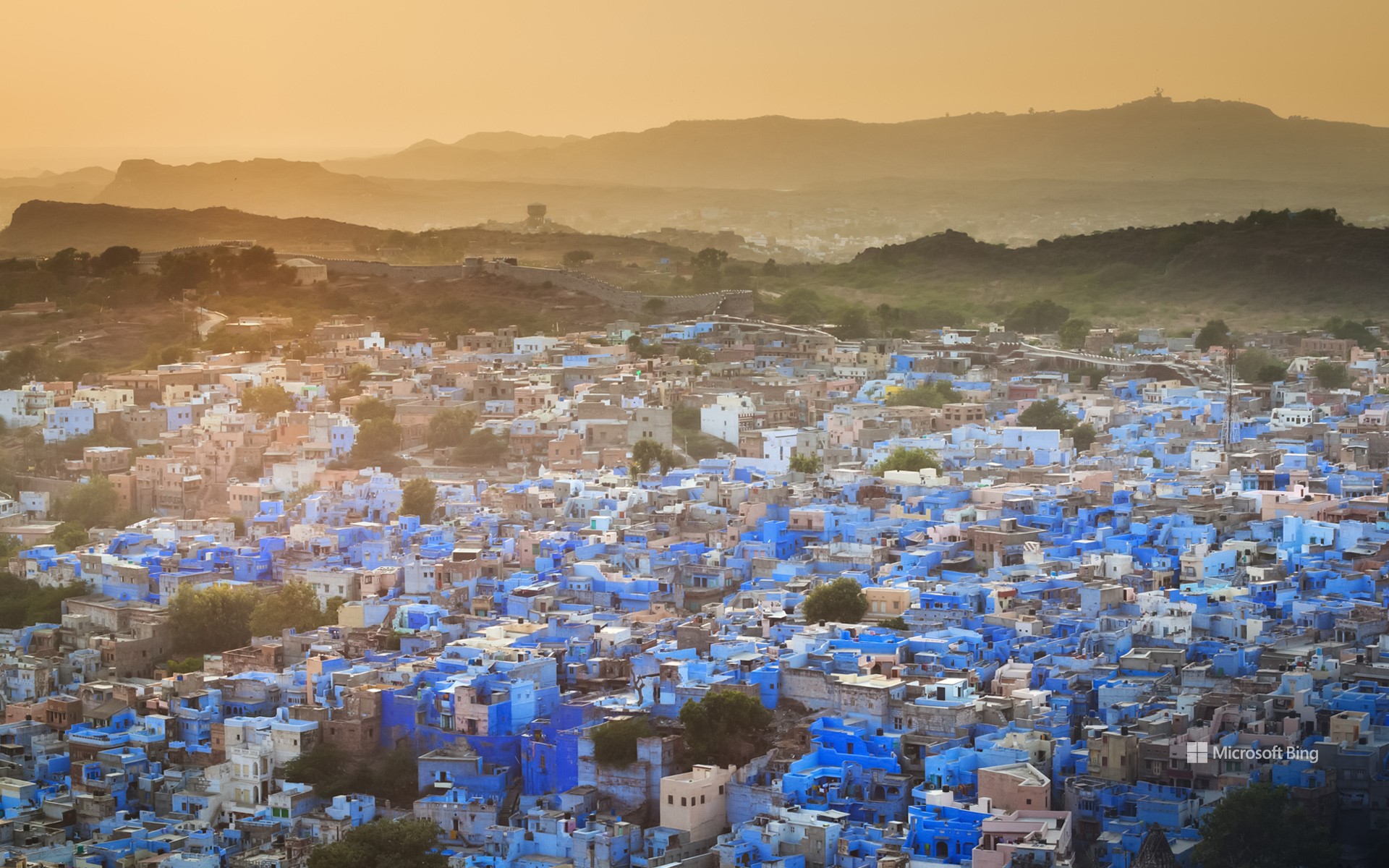
焦特布尔蓝色之城,印度 The Blue City of Jodhpur, India (© cinoby/Getty Images)
迷失在蓝色的美丽国度 Lost in a blue-tiful land
焦特布尔蓝色之城,拉贾斯坦邦,印度
欢迎来到印度拉贾斯坦邦的第二大城市焦特布尔,这里不仅天空是蓝色的,房子也是蓝色的!焦特布尔位于塔尔沙漠中,老城区所有的建筑都被涂成了浅蓝色,因此这座城市也被称为蓝色之城。焦特布尔(Jodhpur)这个名字源于其创始人拉奥·乔达(Rao Jodha)(“Jodh”代表Rao Jodha,“pur”在梵文中是城市的意思,连在一起意为“乔达之城”。)拉奥·乔达属于拉索尔氏族,他创建了焦特布尔,推动了城市基础设施的建设,因此被人们熟知。建城五个多世纪以来,焦特布尔一直以繁荣的纺织业、精致的家具店、美食佳肴以及繁华的街市而闻名。在景点方面,它因堡垒、宫殿、陵墓、花园和湖泊而出名,部分景点颇有名气,如梅兰加尔城堡和乌麦巴旺皇宫。快来探索这座蓝色城市的奇观吧!
The Blue City of Jodhpur, Rajasthan, India
Welcome to Jodhpur, a city in the Thar Desert in India, where it isn't just the sky that's blue—it's the houses too! The buildings in Jodhpur's old district are painted light blue, giving rise to its nickname: The Blue City. For more than five centuries, this city in the state of Rajasthan has been known for its thriving textile industry, fine furniture shops, cuisine, and bustling markets. Among its forts, palaces, mausoleums, gardens, and lakes, are the famous Mehrangarh Fort and Umaid Bhawan Palace. Come and explore the wonders of this blue city!
贾斯旺萨达陵墓和梅兰加尔古堡,焦特布尔,拉贾斯坦邦,印度 (© Twenty47studio/Getty images)
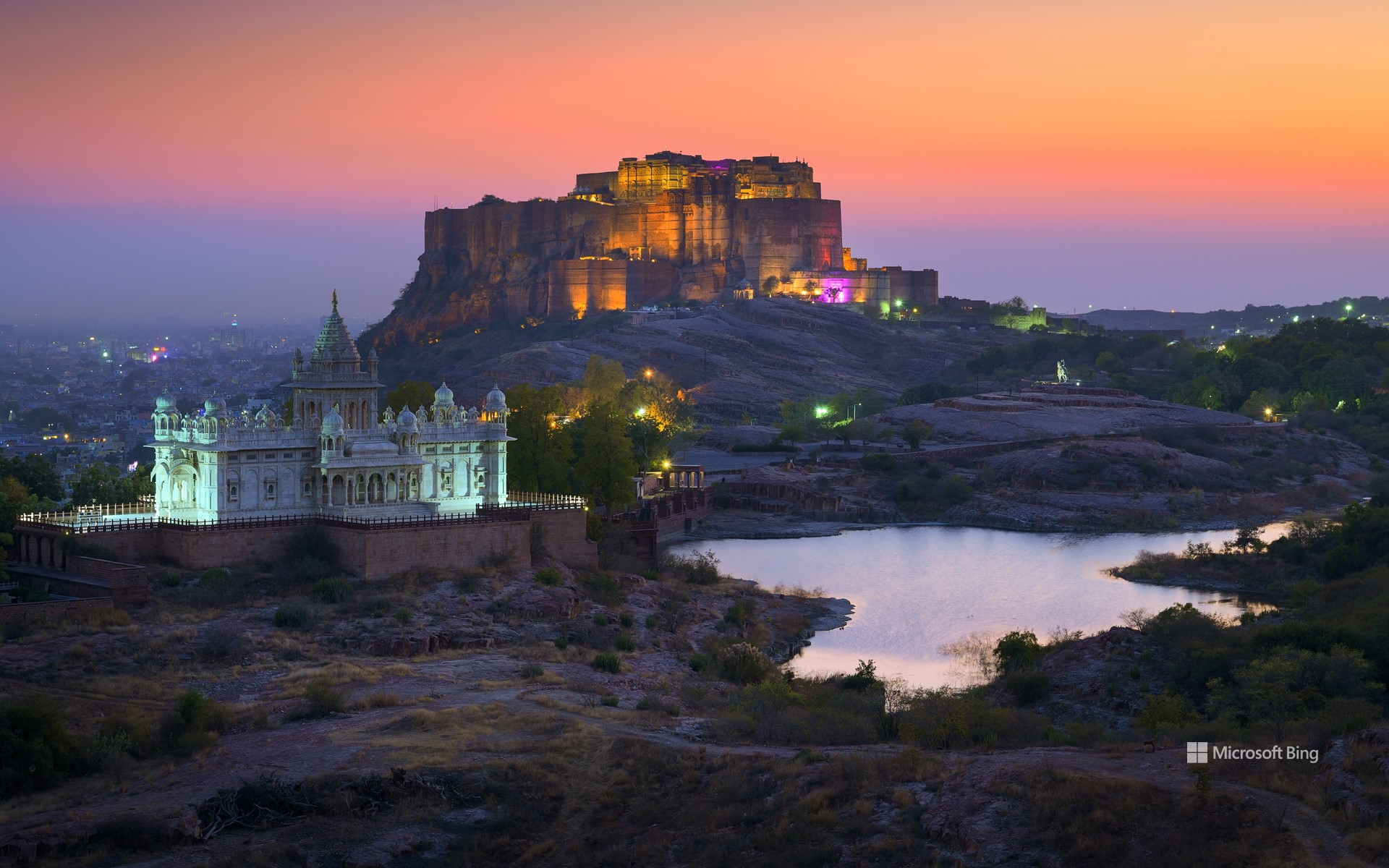
贾斯旺萨达陵墓和梅兰加尔古堡,焦特布尔,拉贾斯坦邦,印度 (© Twenty47studio/Getty images)
焦特布尔的梅兰加尔古堡
夕阳西下,印度拉贾斯坦邦的焦特布尔市沐浴在温暖的光芒中,一幅神奇的景象徐徐展开。坐落在岩石山顶上的梅兰加尔古堡矗立于这片景色中,这里曾是拉索尔王朝的权力中心,见证了荣耀和挑战。这座城堡始建于1459年,由当时的统治者拉奥·约达创建,至今已经有500多年的历史。
这座堡垒不仅是一处遗迹,更是拉贾斯坦邦的文化瑰宝。在这座城堡蜿蜒的深处,过去的秘密在一连串的宫殿中重现。从珍珠宫、镜宫、武器宫到花宫和藏宝阁,这些建筑瑰宝各有各的故事,是拉贾斯坦邦辉煌历史的篇章。再往前走,这里的博物馆展示了皇室专用的轿子、华丽的穹顶塔和乐器。
瓜廖尔堡,中央邦,印度 (© Dmitry Rukhlenko-Photos of India/Alamy)
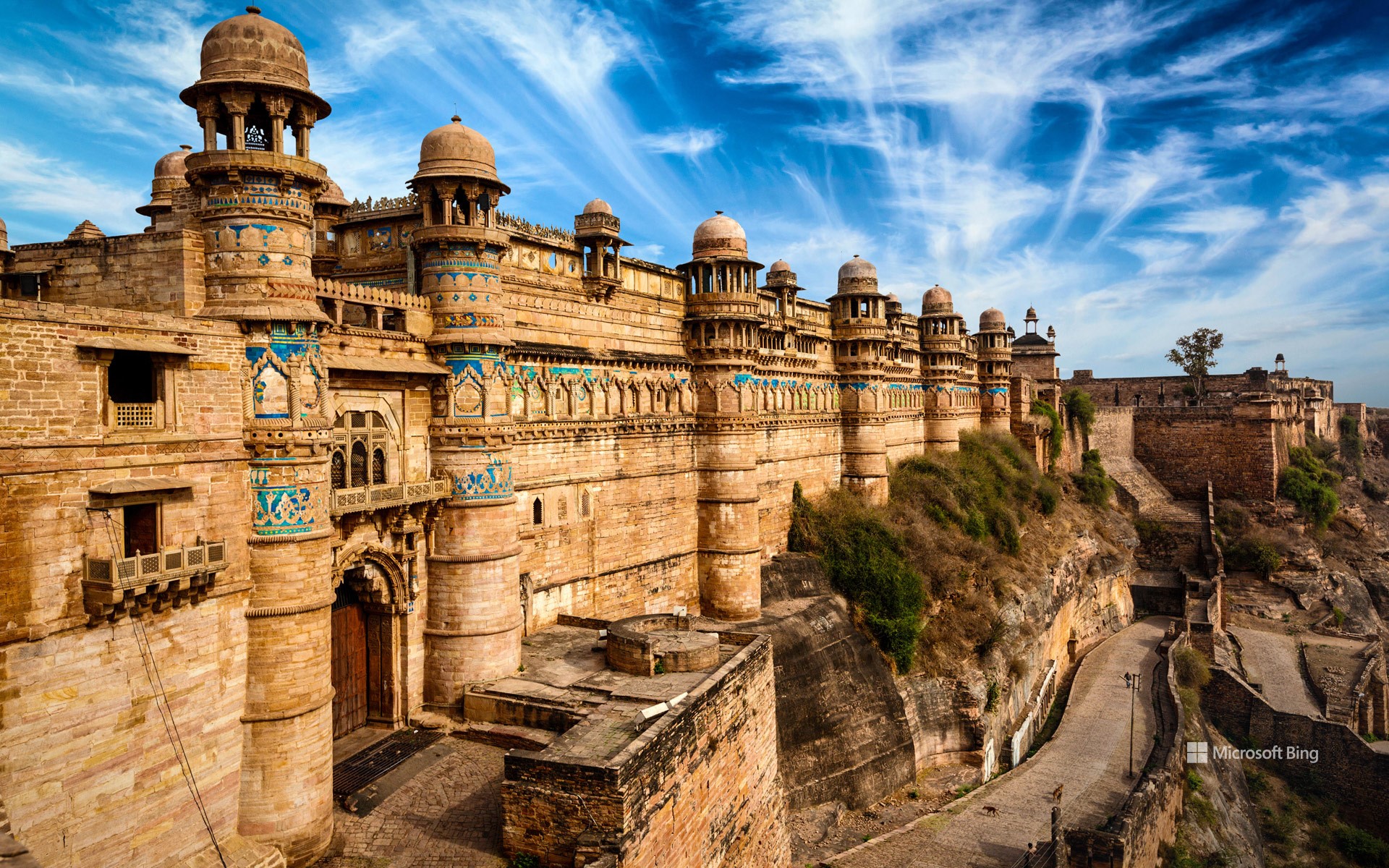
瓜廖尔堡,中央邦,印度 (© Dmitry Rukhlenko-Photos of India/Alamy)
永恒的瑰宝
瓜廖尔堡,中央邦,印度
在印度的心脏地带,在众多雄伟的山地堡垒中,瓜廖尔堡傲然屹立在一座巨大的岩石山上。这座堡垒最初是由砂岩和石灰砂浆组建而成,是瓜廖尔最著名的地标之一。瓜廖尔堡的历史源远流长,历代统治者都曾对其进行过围攻和征服。曾几何时,瓜廖尔要塞是印度北部和中部心脏地带坚不可摧的堡垒。它不仅是军事力量的象征,还拥有众多寺庙,每个寺庙都带有不同时代不同国王的独特印记。
如今,瓜廖尔堡辉煌的宫殿、寺庙、城门和城墙仍在诉说着它传奇的过去。如果你想踏上时间之旅,重温英勇的战斗、贵族王朝的兴衰和史诗故事,那么,位于印度腹地的瓜廖尔堡正在向您招手。
赫马库塔山上的神庙,汉皮,卡纳塔克邦,印度 Temples on Hemakuta Hill, Hampi, Karnataka, India (© Images of india/Alamy Stock Photo)

赫马库塔山上的神庙,汉皮,卡纳塔克邦,印度 Temples on Hemakuta Hill, Hampi, Karnataka, India (© Images of india/Alamy Stock Photo)
往事的低语 Whispers of the past
赫马库塔山,汉皮,印度
汉皮位于印度卡纳塔克邦,被联合国教科文组织列入世界遗产名录。从14世纪到16世纪,维查耶纳伽尔帝国统治着这片区域。而作为维查耶纳伽尔帝国首都的汉皮,自然留下了许多古迹群,例如古老的寺庙、雄伟的宫殿和满目苍夷的废墟。在克利希那德瓦·拉亚国王的统治期间(1509年至1529年),这座城市经历了大幅扩张,新建了很多具有艺术气息的建筑,吸引着来自世界各地的游客和商人。然而,1565年,维查耶纳伽尔帝国在塔利科塔战役中战败,汉皮也随之衰落。
如今,汉皮拥有约1000座古迹,现代背包客的到来让这座失落的城市重获新生。赫马库塔山是汉皮游客最多的地方之一,那里有许多保存完好的寺庙和神社。在山上游览时,游客们还可以顺便在湿婆神的维鲁帕克沙神庙停下来祈祷。
Hemakuta Hill, Hampi, India
Hampi is a UNESCO World Heritage Site in Karnataka, India. The group of monuments—ancient temples, majestic palaces, and intricate ruins—are remnants of the former capital city of the Vijayanagara Empire, which ruled much of South India between the 14th and 16th centuries.
The city grew during the reign of King Krishnadevaraya, from 1509 to 1529, and was famed for its art and architecture, attracting visitors from all over the world. However, Hampi lost its Midas touch in 1565, when it was destroyed after the defeat of its army at the Battle of Talikota.
Today, Hampi still houses about 1,000 ancient monuments and has become popular with modern backpackers, giving the lost city a new life. One of the most visited parts is Hemakuta Hill, with its well-preserved temples and shrines. While exploring the hill, visitors can stop by to offer prayers at the Virupaksha Temple, a pilgrimage site dedicated to Lord Shiva.
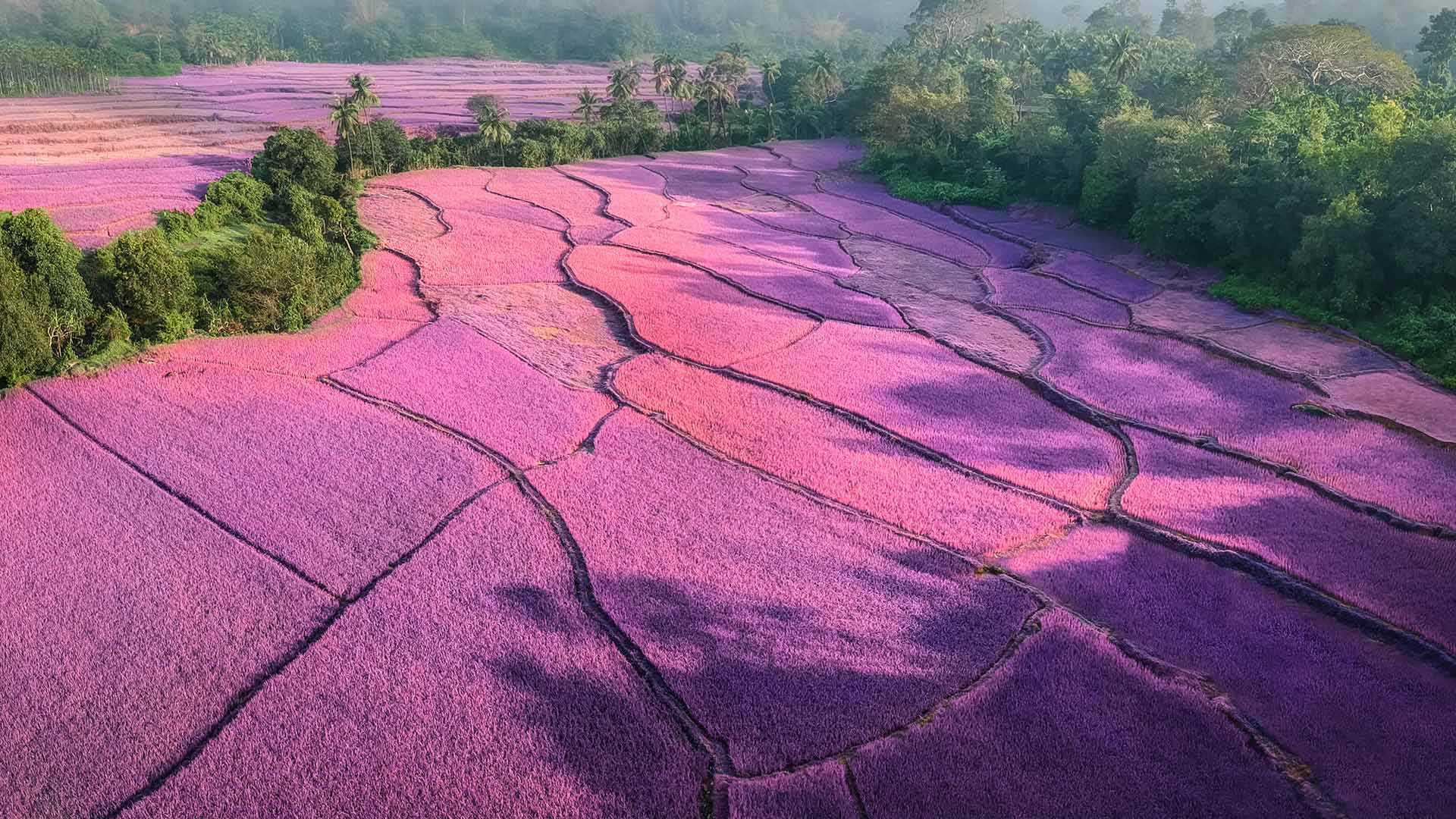
日出时分薄雾笼罩下的薰衣草田,印度 (© Amith Nag Photography/Getty Images)
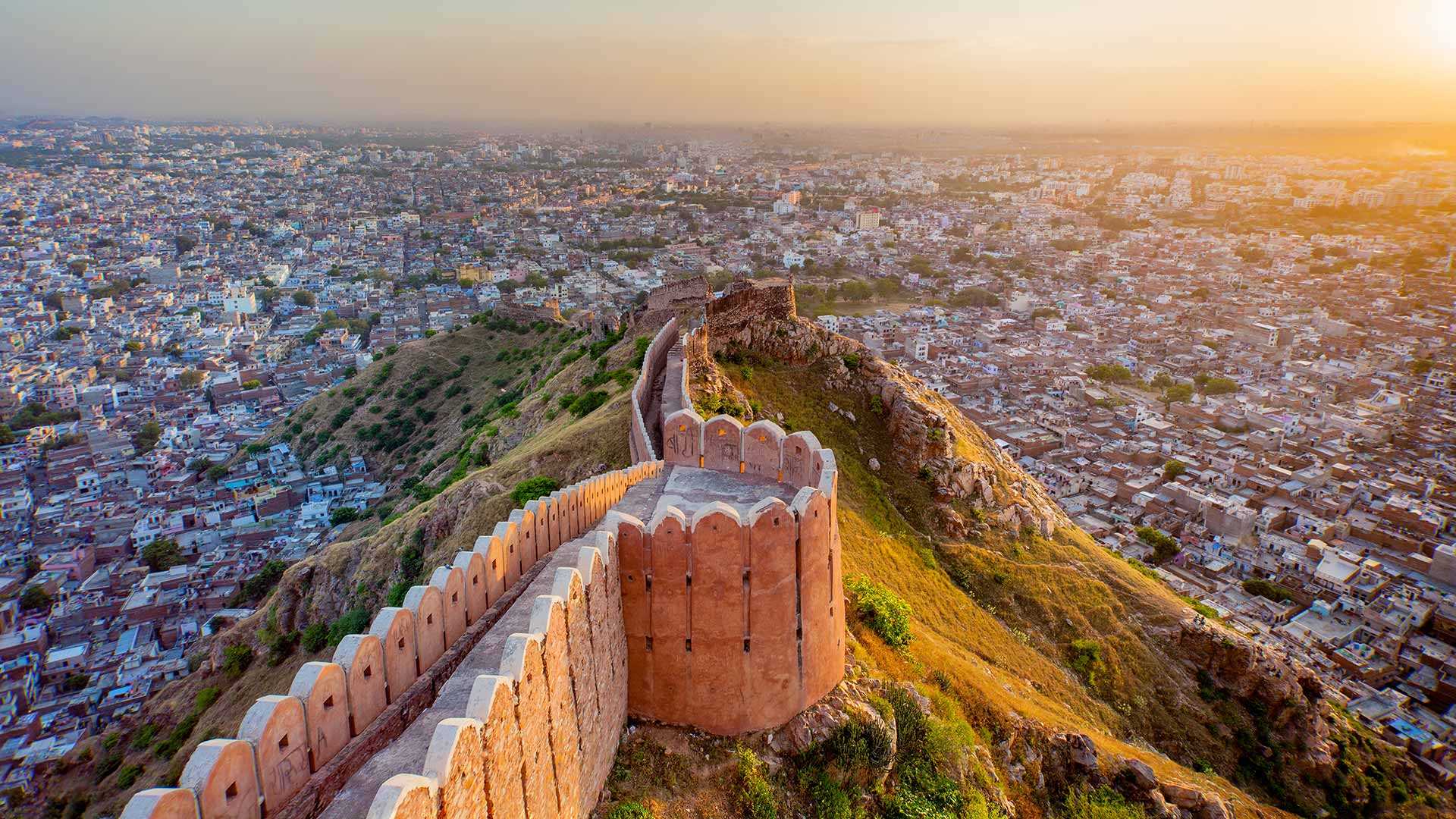
从纳哈加尔城堡鸟瞰斋浦尔,印度 (© Sean3810/iStock/Getty Images Plus)
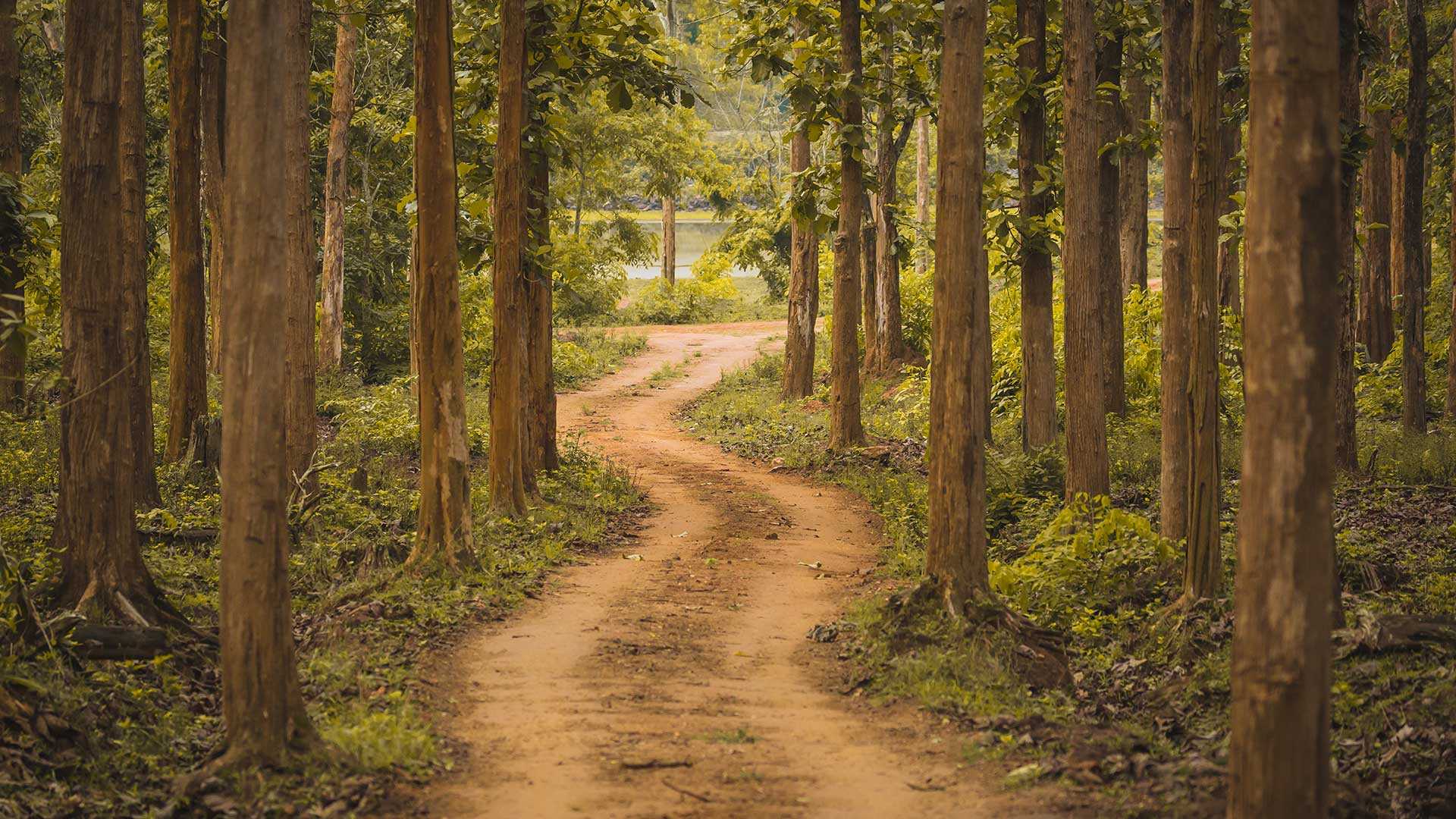
卡纳塔克邦的纳加尔霍雷国家公园,印度 (© Vivek BR/Shutterstock)
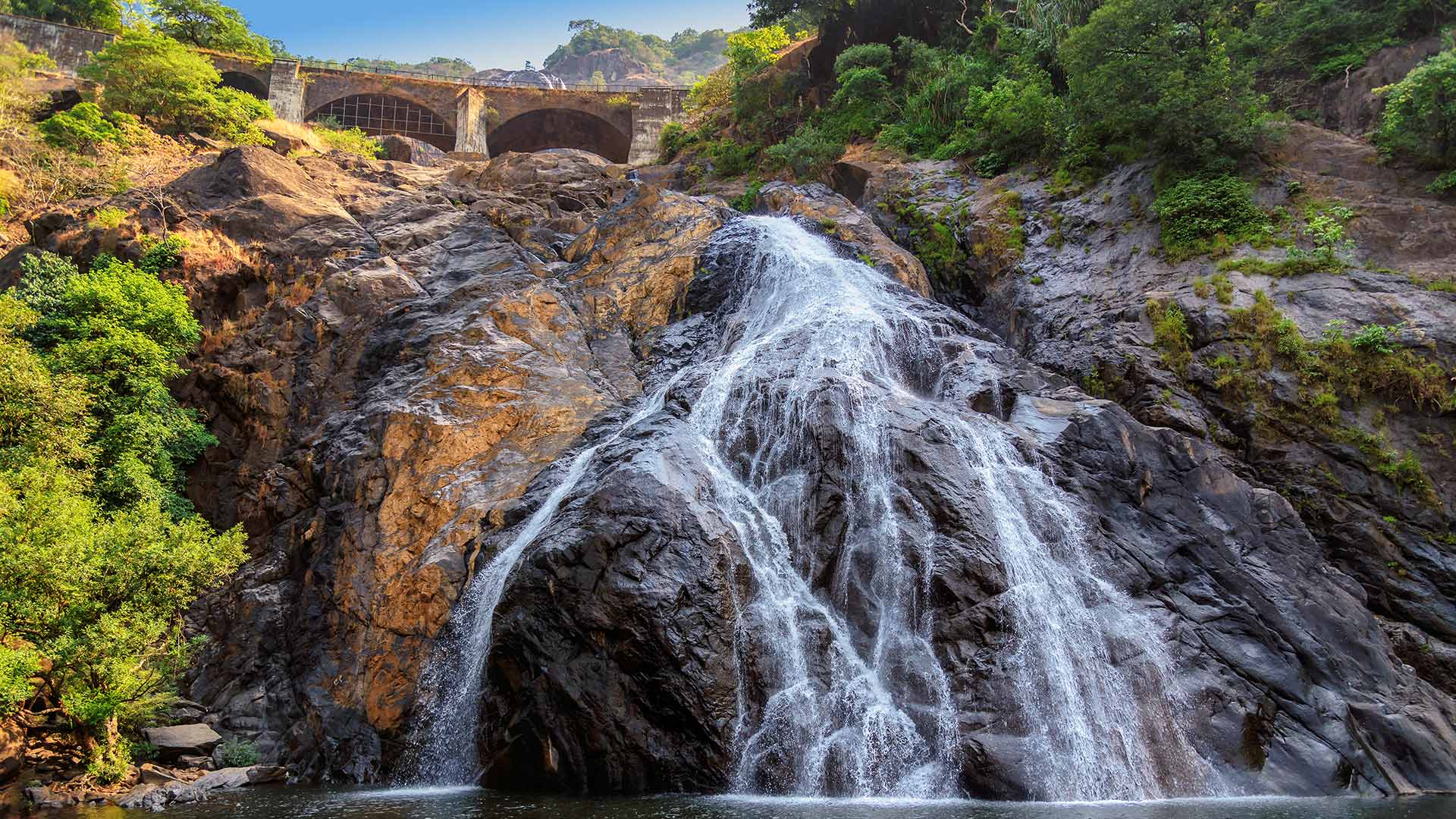
杜德萨加尔瀑布,印度果阿 (© Lucky-photographer/Getty Images)
古瓦哈提的竹子,印度阿萨姆邦 (© Page Bazar/500px/Getty Images)

阿拉瓦利山脉的阿布山,印度拉贾斯坦邦 Mount Abu and the Aravalli Range in Rajasthan, India (© saiko3p/Shutterstock)
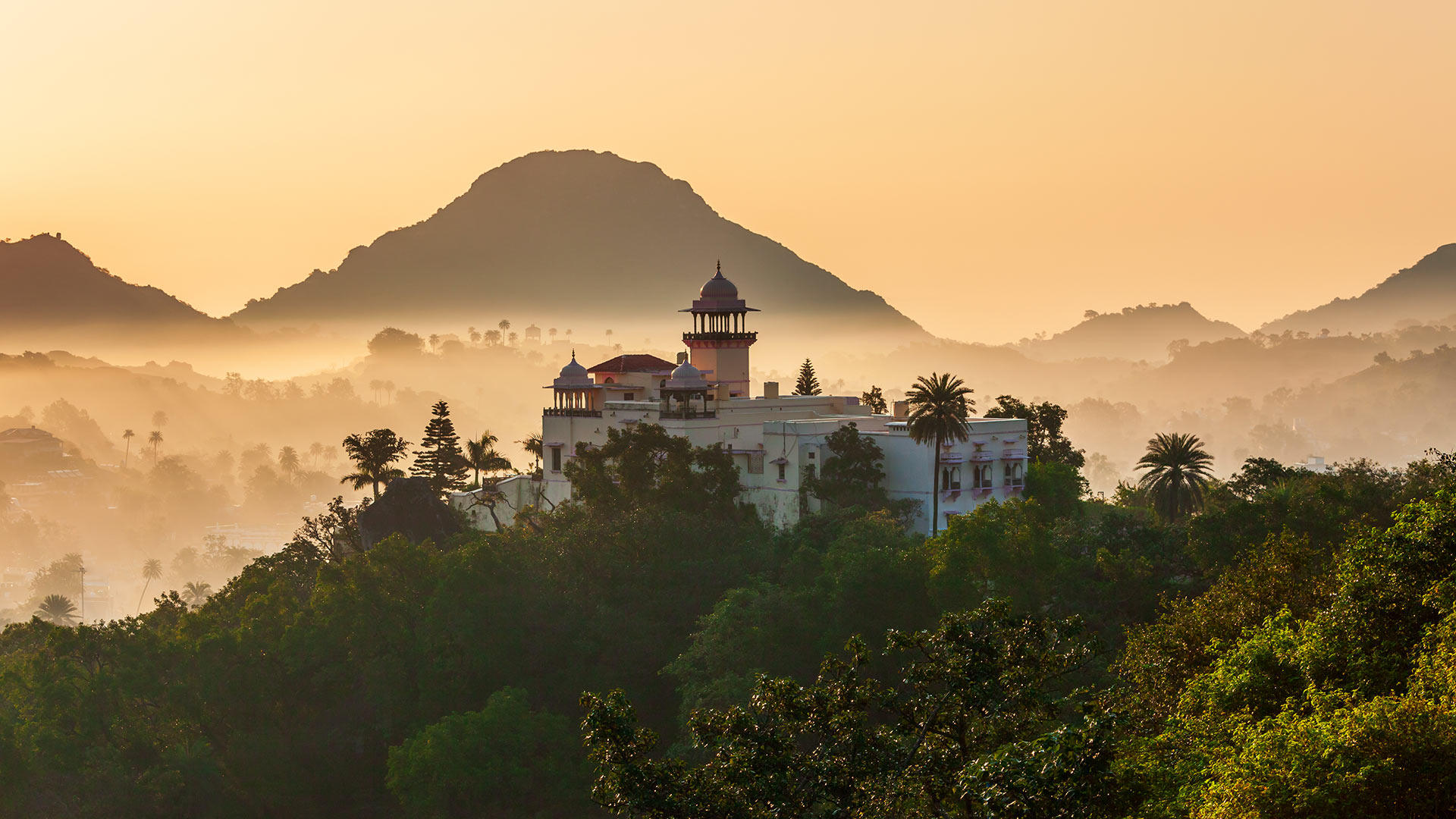
阿拉瓦利山脉的阿布山,印度拉贾斯坦邦 Mount Abu and the Aravalli Range in Rajasthan, India (© saiko3p/Shutterstock)
印度拉贾斯坦邦阿布山
阿布山(Mount Abu)是拉贾斯坦邦唯一的山地站,海拔1722米,被阿拉瓦利山脉(Aravalli Range)郁郁葱葱的绿色山丘环绕,为人们提供了急需的缓解拉贾斯坦斯坦酷热天气的方法。它被称为“沙漠中的绿洲”,因为它的高度是河流、湖泊、瀑布和常绿森林的家园。
阿布山由部落社区的乡村住宅和豪华住宅(包括英式平房和皇家度假屋)组成,五彩缤纷,在这个沙漠之州,阿布山似乎不亚于一个奇迹。除了风景优美之外,该地还有几座印度教和耆那教寺庙,包括Arbuda Devi Temple、Shri Raghunath Temple、Dilwara Temple等。您还可以参观附近的阿查尔加尔堡、纳基湖和德鲁迪亚瀑布。
Mount Abu, Rajasthan, India
Providing much-needed relief from the blazing heat of Rajasthan, Mount Abu, the state’s only hill station, stands at a height of 1,722 meters above sea level and is embraced by the lush green hills of the Aravalli Range. It is referred to as 'an oasis in the desert as its heights are home to rivers, lakes, waterfalls, and evergreen forests.
Studded with a colorful mix of rustic abodes of tribal communities and posh houses inclusive of British-style bungalows and royal holiday lodges, Mount Abu appears to be no less than a wonder in this desert state. Other than its scenic beauty, the place is home to several Hindu and Jain temples, including Arbuda Devi Temple, Shri Raghunath Temple, Dilwara Temple, and more. You can also visit the Achalgarh Fort, Nakki Lake, and Dhrudiya Waterfalls that are nearby.