格雷梅的傍晚, 卡帕多西亚, 土耳其 Evening over Göreme, Cappadocia, Türkiye (© ONNAJA/Getty Images)
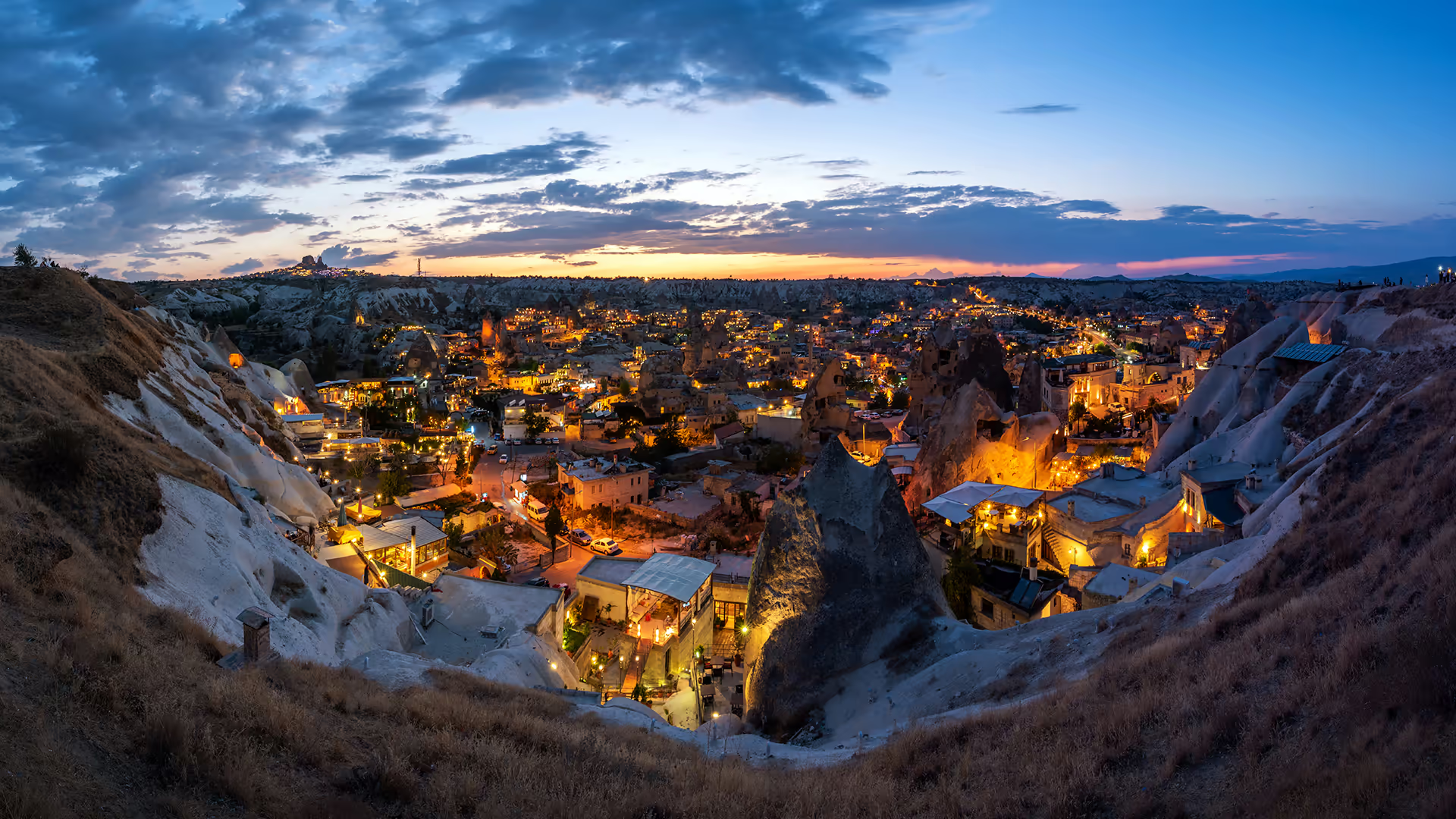
格雷梅的傍晚, 卡帕多西亚, 土耳其 Evening over Göreme, Cappadocia, Türkiye (© ONNAJA/Getty Images)
古老岩石,现代灯光 Ancient rocks, modern lights
格雷梅的傍晚, 卡帕多西亚, 土耳其
黄昏时分,卡帕多西亚格雷梅地区的地貌逐渐显现。这片区域隶属于格雷梅国家公园与卡帕多西亚岩石遗址,1985年入选世界遗产名录。“精灵烟囱”等地貌源自安那托利亚火山喷发形成的火山灰层,随后经风与水长期侵蚀,雕刻出石柱、山脊与谷地。
这些地貌承载着数千年的人类居住史。自晚期古代开始,人们顺着岩石可塑、保温的特性,直接凿刻出住宅、教堂与修道院。不少遗址仍留存10至11世纪的拜占庭壁画,反映出该地区延续已久的宗教生活。画面中灯火通明的小镇凸显了古今交织的景象。今天,格雷梅仍是进入卡帕多西亚步道、观景平台与岩刻遗产的重要入口,这片土地由地质演化与人类坚韧共同塑成。
Evening over Göreme, Cappadocia, Türkiye
As evening settles over the town of Göreme in the heart of the Cappadocia region of Türkiye, dusk reveals a landscape forged by nature and centuries of human presence. This scene is part of Göreme National Park and the Rock Sites of Cappadocia, a UNESCO World Heritage Site inscribed in 1985 for its exceptional combination of early cultural history and geological formations. These formations, often called 'fairy chimneys' or hoodoos, began as layers of volcanic ash that hardened into soft stone following eruptions of ancient Anatolian volcanoes. Over time, wind and water carved the pillars, ridges, and valleys that define the region today.
People have lived among these landforms for millennia. From Late Antiquity onward, residents carved homes, chapels, and monasteries directly into the rock, taking advantage of the stone's workable texture and natural insulating qualities. Many of these structures still contain 10th‑ and 11th‑century Byzantine frescoes, reflecting the region's long-standing tradition of religious life. The illuminated town in today's image highlights how past and present coexist. Today, Göreme remains a gateway to Cappadocia's trails, viewpoints, and rock‑cut heritage—an experience sculpted by geological forces and human resilience.
阿尼遗址的圣格雷戈里教堂,卡尔斯省,土耳其 St. Gregory Church in Ani Ruins, Kars, Türkiye (© Kenan Talas/Getty Images)

阿尼遗址的圣格雷戈里教堂,卡尔斯省,土耳其 St. Gregory Church in Ani Ruins, Kars, Türkiye (© Kenan Talas/Getty Images)
一座比城市更悠久的教堂 The church that outlived a city
阿尼遗址的圣格雷戈里教堂,卡尔斯省,土耳其
在土耳其东部与亚美尼亚接壤的边境地带,一片风吹草低的台地上,阿尼古城遗址在荒野中清晰浮现。千年前,这里是丝绸之路上的繁华都城,城墙巍峨,街市喧闹,商旅往来不息,文化在此交汇。如今,风声取代了人声,但那沧桑的轮廓,仍默默诉说着昔日的辉煌。
这张照片展现了圣格雷戈里教堂,它是阿尼最具震撼力的遗迹之一。深色火山岩筑成的圆塔,依旧挺立,仿佛延续着昔日的精工细作。阿尼曾因“千座教堂之城”闻名,拱门、穹顶与立面的革新,曾在历史中掀起波澜,后来影响了哥特式建筑传统。即便在一片废墟中,其设计仍清晰可辨。
阿尼的衰落,源于地震、入侵和贸易路线的转移,但这座城市从未真正消失。考古学家仍在不断发掘新的细节,保护工作也在与侵蚀和时间抗争。漫步于此,感觉不像是在探访废墟,更像是在遇见一座执意守护自己故事的城市。
St. Gregory Church in Ani Ruins, Kars, Türkiye
On a windswept plateau in eastern Türkiye, along the border with Armenia, the ruins of the ancient city of Ani rise from the landscape with striking clarity. A millennium ago, Ani was a thriving Armenian capital on a major Silk Road route, its fortifications and busy streets shaping trade and culture across the region. Today, the city is quiet, but its outline still carries the weight of its past.
The image shows the Church of St. Gregory, one of Ani's most striking survivors. Built from dark volcanic stone, its tall cylindrical tower stands over the plateau with the same precision that once defined the city. Ani was known as the 'City of 1,001 Churches,' and its architects pushed new ideas in arches, domes, and facades that later influenced Gothic tradition. Even in ruin, the design remains deliberate and unmistakable.
Ani's decline unfolded through earthquakes, invasions, and shifting trade routes, yet the city never fully disappeared. Archaeologists continue to find new details, and conservation work fights erosion and time. Walking here feels less like exploring a ruin and more like meeting a city determined to keep its story alive.
卡帕多西亚格雷梅国家公园上空的热气球,土耳其 Hot air balloons over Göreme Historical National Park in Cappadocia, Türkiye (© Anton Petrus/Getty Images)
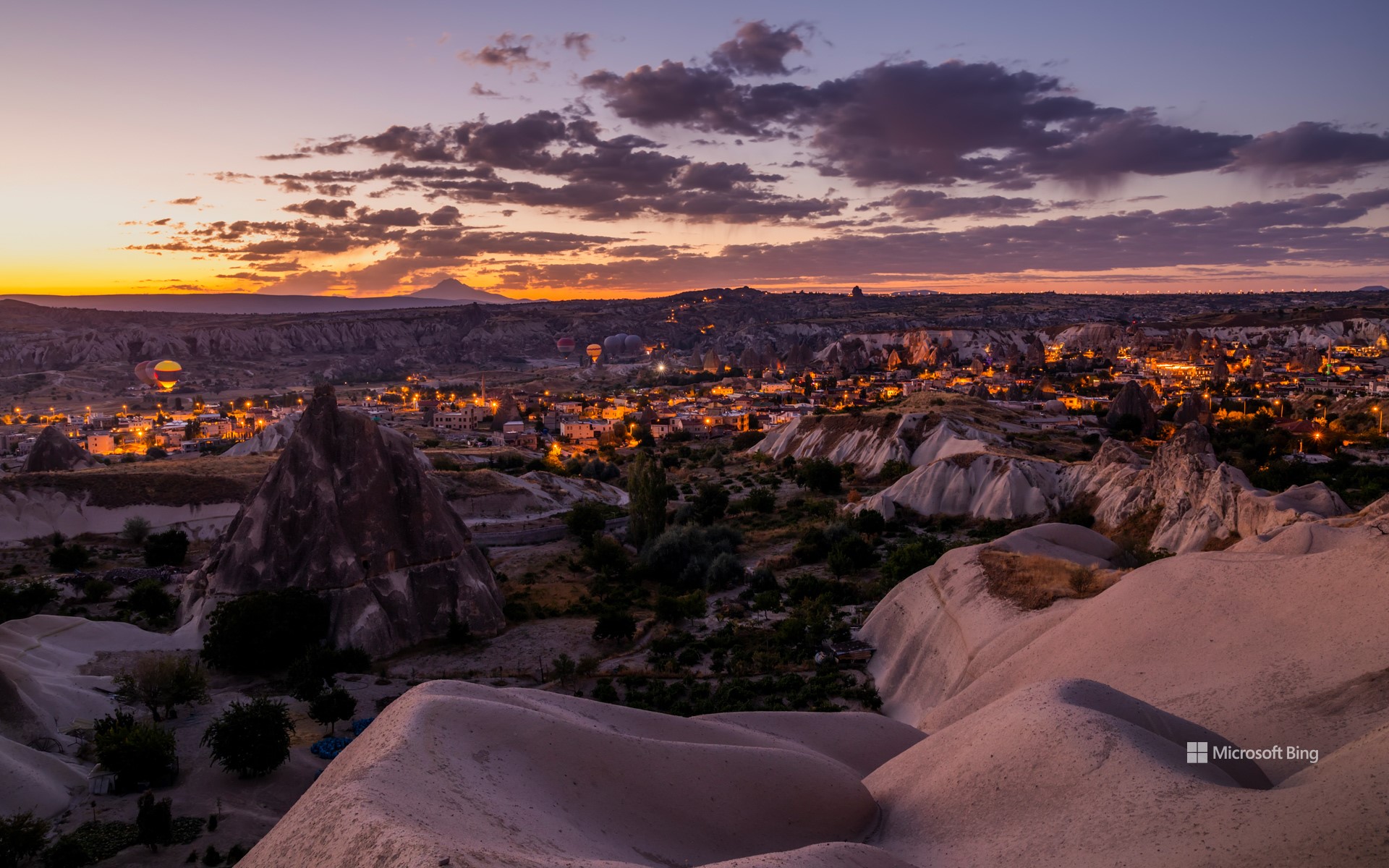
卡帕多西亚格雷梅国家公园上空的热气球,土耳其 Hot air balloons over Göreme Historical National Park in Cappadocia, Türkiye (© Anton Petrus/Getty Images)
纪念历史 Celebrating history
国际古迹遗址日
试想一个没有金字塔、长城或古老洞穴城市的世界。是不是很难想象?这正是为什么 4月18日被定为“国际古迹遗址日”的原因。这个由联合国教科文组织认可的纪念日,致力于保护全球的文化瑰宝。这个日子旨在庆祝我们的历史,提升对濒危遗址的认识,并确保后代也能欣赏到这些宝贵遗产。
位于土耳其卡帕多西亚的历史国家公园正是一个极佳的例子。这里以“精灵烟囱”而闻名,这些高耸的岩柱由火山灰和数千年的侵蚀共同塑造而成。人们甚至在这些柔软的岩石结构中开凿出住宅、教堂,乃至完整的地下城市,其中一些可以追溯到公元 4 世纪。如今,它被列为联合国教科文组织世界遗产,每年吸引来自世界各地的游客。无论是古老的城堡、庙宇,还是隐秘的地下城,这一天都在提醒我们去珍惜并保护那些诉说人类历史的非凡地标。
International Day for Monuments and Sites
Imagine a world without the pyramids, the Great Wall, or ancient cave cities—hard to picture, right? That's why April 18 is the International Day for Monuments and Sites, an event recognized by UNESCO dedicated to protecting cultural treasures worldwide. This day is all about celebrating our history, raising awareness about endangered sites, and making sure future generations can enjoy them too.
A remarkable example is Göreme Historical National Park in Cappadocia, Türkiye. It's famous for its 'fairy chimneys'—towering rock formations shaped by volcanic ash and erosion over thousands of years. People carved homes, churches, and entire underground cities into these soft rock formations, some dating back to the 4th century. Today, it's a UNESCO World Heritage Site, attracting visitors from around the world. Whether it's ancient castles, temples, or hidden underground cities, this day reminds us to appreciate and protect the landmarks that tell the story of humanity.
卡帕多西亚的童话烟囱和窑洞,土耳其 Fairy chimneys and cave dwellings in Cappadocia, Türkiye (© Storm Is Me/Shutterstock)
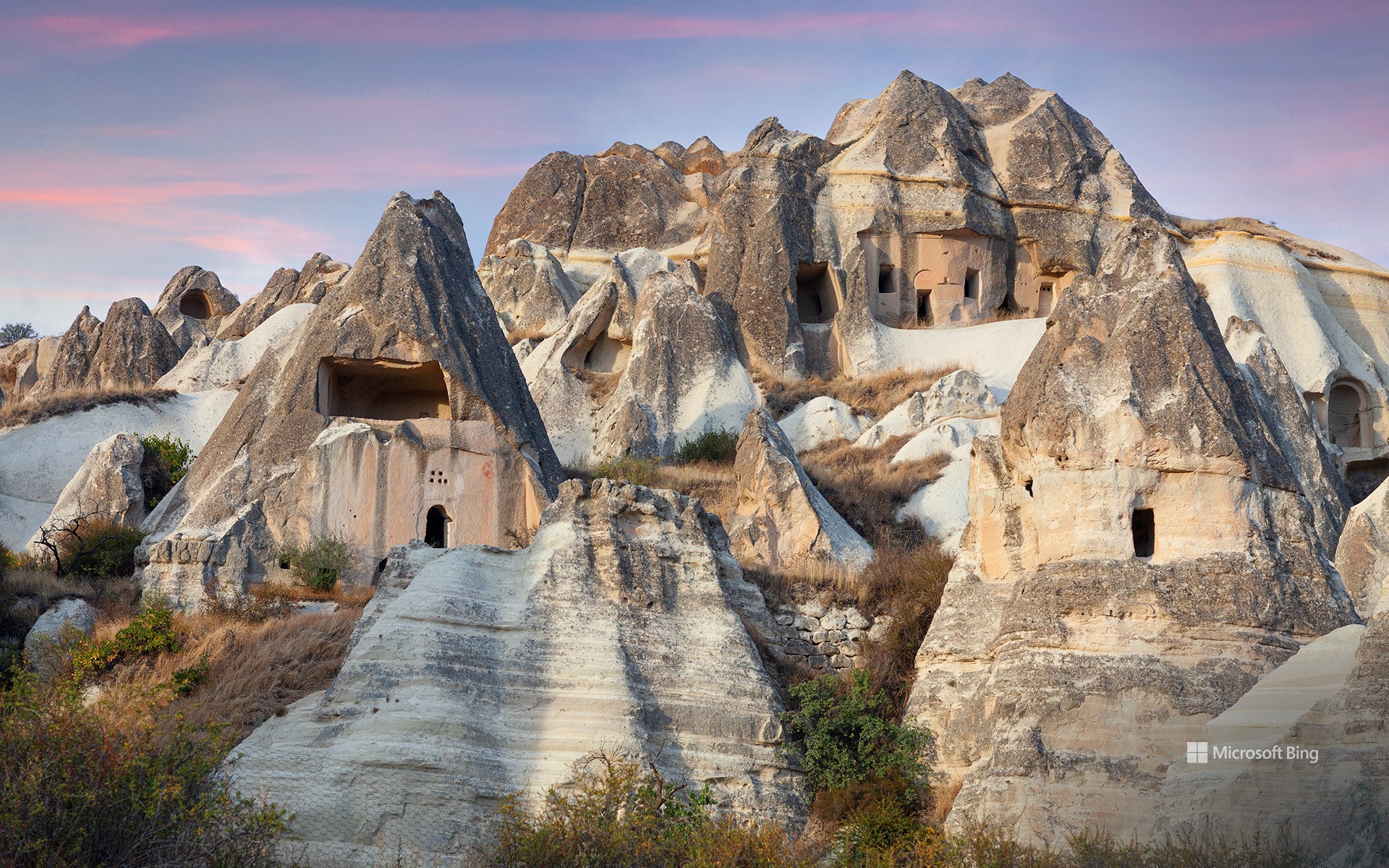
卡帕多西亚的童话烟囱和窑洞,土耳其 Fairy chimneys and cave dwellings in Cappadocia, Türkiye (© Storm Is Me/Shutterstock)
快看,这是沉积岩哦 Sedimentary, my dear
国际岩石日
今天是国际岩石日,我们要讨论的是花岗岩、石灰石和板岩。岩石有三种类型:火成岩是由凝固的岩浆和熔岩形成的;沉积岩是由沉积颗粒(如沙子)层层堆积而成;变质岩是其他岩石受热和受压后形成的。
今天的图片带我们来到位于土耳其中部的卡帕多西亚,这里有一种被称为“精灵烟囱”的石质结构。这些锥形石柱由凝灰岩制成,而凝灰岩正是火山灰和碎屑堆积而成的沉积岩。该地区的古代居民在岩石侧面雕刻了房屋和教堂。此外,该地区的地下城也很有名,这些地下城是从凝灰岩中凿出来的,为人们提供了一个安全的庇护场所。这只是历史上人类对岩石的众多用途之一。
International Rock Day
Are you ready to make some noise? Wait, not that sort of rock. Today, we're all about granite, limestone, and slate. There are three types of rock: igneous rocks formed from magma and lava; sedimentary rocks made from a mixture of particles like sand and mud; and metamorphic rocks that are the result of heat and pressure on other kinds of rock.
Today's image takes us to the 'fairy chimneys' of Cappadocia in central Türkiye. These cone-shaped pillars are made of tuff, a sedimentary rock formed from volcanic ash and debris. In the sides of the rocks, ancient residents carved homes and churches. The area is also famous for its underground cities, which were cut out of the tuff to provide shelter and safety. This is just one of the many uses for rocks that humans have come up with throughout history.
埃米尔甘公园的郁金香,伊斯坦布尔,土耳其 Tulips at Emirgan Park in Istanbul, Türkiye (© Ozbalci/Getty Images)
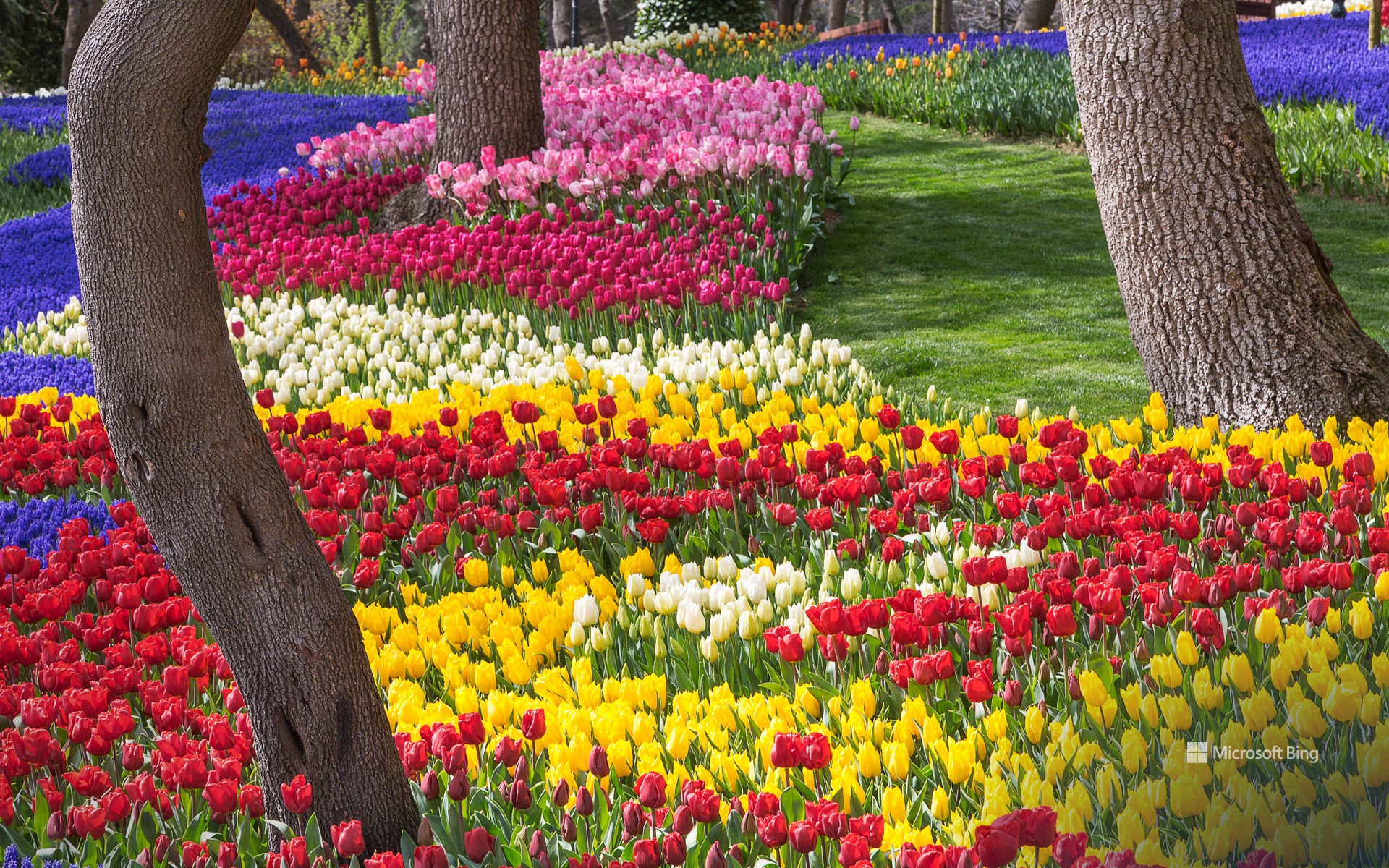
埃米尔甘公园的郁金香,伊斯坦布尔,土耳其 Tulips at Emirgan Park in Istanbul, Türkiye (© Ozbalci/Getty Images)
恣意绽放的郁金香 Tulips gone wild!
伊斯坦布尔埃米尔甘公园的郁金香,土耳其
一大片五颜六色的郁金香给人带来的诱惑不言而喻。郁金香原产于中亚,从弗农山庄园到土耳其伊斯坦布尔熙熙攘攘的街道,这些球茎植物深受世界各地人们的喜爱。但郁金香不仅仅是装饰性花卉,它们还具有重要的文化意义。在不同的传统中,郁金香代表着爱情、生命、美丽和激情。在艺术作品中,郁金香常常被描绘成重生或青春的象征。
伊斯坦布尔的埃米尔甘公园是郁金香的天堂。公园里的郁金香种类繁多,达到令人眼花缭乱的程度。每年春天,这些郁金香都会为公园增添万花筒般的色彩。整个公园很大,囊括了120多种珍稀植物,还可以将博斯普鲁斯海峡的美景尽收眼底。如果你还没去过,那现在可以考虑动身了,因为春天是前往这个中东国家旅行的绝佳时机。
Tulips at Emirgan Park in Istanbul, Türkiye
There's something to be said about the allure of a bed of colorful tulips. Originating from Central Asia, these bulbous plants are beloved worldwide, from the gardens of Mount Vernon, Washington, to the parks and avenues of Istanbul, Türkiye. But tulips are more than just decorative flowers. They represent love, life, beauty, and passion in various traditions and are often depicted in art as a symbol of rebirth or youth.
Emirgan Park in Istanbul celebrates tulips in all their glory, as the city hosts its annual tulip festival. The park boasts a dazzling variety of these flowers that paint the landscape with a kaleidoscope of colors. It is also home to more than 120 species of rare plants and trees, with gorgeous views of the Bosporus strait.
卡帕多西亚, 土耳其 Hot air balloons in Cappadocia, Türkiye (© Anton Petrus/Getty Images)

卡帕多西亚, 土耳其 Hot air balloons in Cappadocia, Türkiye (© Anton Petrus/Getty Images)
与太阳一同升起 Rising with the sun
卡帕多西亚,土耳其
如果你去土耳其旅行,一定要去卡帕多西亚打卡,这是一个位于土耳其中部的历史名胜古迹。卡帕多西亚的一个神奇时刻是观看几十个热气球升入黎明的天空。如果你喜欢冒险,你还可以坐上热气球观光。卡帕多西亚遍布着神秘的高耸岩层,高可达130英尺,由数百万年前火山喷发而形成,被称为“精灵烟囟”。这里还有一个你从热气球上无法看到景点,那就是地下城德林库尤,德林库尤的房屋、市场、办公室以及公共场所完全位于地下,整座城市的历史可以追溯到公元前1400年。这座地下城曾为市民提供庇护,让他们免受掠夺和入侵。在你体验卡帕多西亚的古代奇观时,你会更容易理解这个世界有多古老。
Cappadocia, Türkiye
Welcome to Cappadocia, a historical region in Türkiye known for its fantastical landscape. A magical moment to enjoy here is watching dozens of hot air balloons rising into the dawn sky. Every sunrise and sunset gives life to the 'fairy chimneys' of this striking region, mysterious towering rock formations reaching up to 130 feet high. The unusual landscape was formed over millions of years by volcanic eruptions. Another attraction here that you won't see from the air is Derinkuyu, a city dating from 1400 BCE that is completely underground. This subterranean city sheltered citizens from invaders who swept through over the centuries. When you experience the ancient wonders of Cappadocia, it's easier to understand how old the world is.
博斯普鲁斯海峡的如梅利堡垒,土耳其伊斯坦布尔 Rumelihisarı on the Bosporus Strait at Istanbul, Türkiye (© Drone in Wonderland/Amazing Aerial Agency)
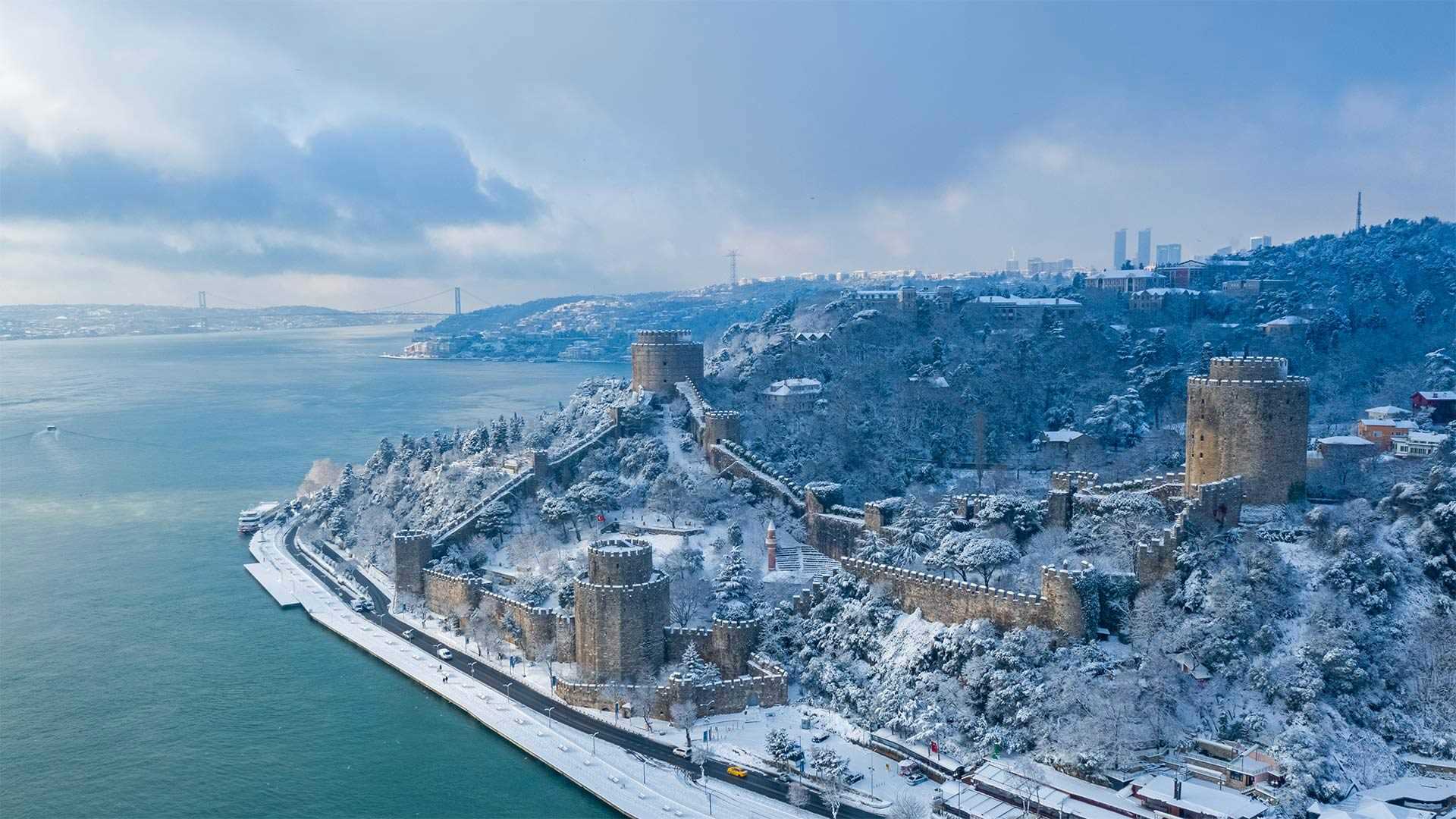
博斯普鲁斯海峡的如梅利堡垒,土耳其伊斯坦布尔 Rumelihisarı on the Bosporus Strait at Istanbul, Türkiye (© Drone in Wonderland/Amazing Aerial Agency)
两大洲交接的地方 Where two continents meet
如梅利堡垒,土耳其
土耳其是一个温暖的地中海国家,偶尔也会下雪。而今天照片里伊斯坦布尔的冬日雪景,则让如梅利堡垒的轮廓更加清晰可见。梅利堡垒是15世纪由奥斯曼帝国苏丹建造的,目的是为了掌握博斯普鲁斯海峡的海上交通。博斯普鲁斯海峡连接马尔马拉海和黑海,将伊斯坦布尔分为“欧洲一侧”和“亚洲一侧”。如今,这座堡垒不再用于向船只开火,而是用作博物馆和音乐会场地。几百年来,尽管这里已经变了很多,但这里美丽的风景依然如旧。
Rumelihisarı in Istanbul, Türkiye
Though Türkiye usually lives up to expectations as a warm Mediterranean country, snow occasionally falls here. This winter dusting of Istanbul, Türkiye's largest city, brings into sharper focus the lines of Rumelihisarı in the center of our image. The structure, also known as Rumeli Fortress, was built in the 15th century by an Ottoman sultan as a way to choke naval traffic through the narrow Bosporus Strait. The Bosporus connects the Sea of Marmara to the Black Sea, separating Istanbul into what is often referred to as its 'European side' and 'Asian side.' Today, the fortress isn't used to fire upon ships but serves as a museum and concert venue. While the place has changed over the centuries, the killer view hasn't.
鸟瞰视角下的彩色船只,土耳其欧鲁旦尼斯 Aerial view of colorful boats in the Mediterranean Sea in Ölüdeniz, Turkey (© den-belitsky/Getty Images)
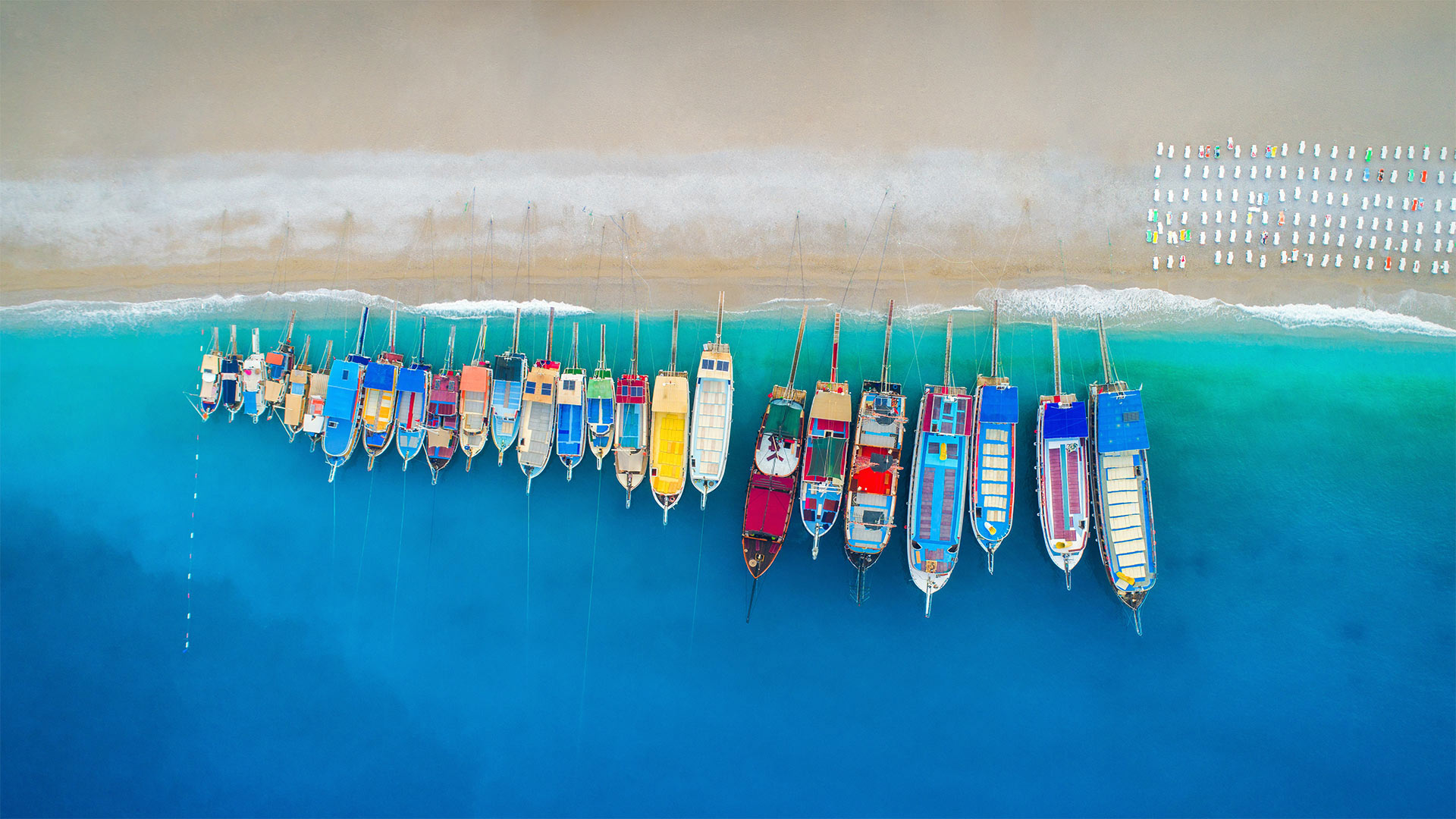
鸟瞰视角下的彩色船只,土耳其欧鲁旦尼斯 Aerial view of colorful boats in the Mediterranean Sea in Ölüdeniz, Turkey (© den-belitsky/Getty Images)
绚丽多彩的海滩 A beach of many colors
Ölüdeniz, Turkey
Whether you love snorkeling, scuba-diving, swimming, paragliding, or simply soaking up some sun, Ölüdeniz on Turkey's Turquoise Coast will fit the bill. The village and beach resort are named for the Blue Lagoon that's set off from the ocean by a long sandbar. (The literal translation of Ölüdeniz is 'Dead Sea,' reflecting the calm water, but for marketing purposes, the gorgeous color is more complimentary.) Much of the area is protected inside a national park, and the Ölüdeniz beach proudly holds the Blue Flag certification by the Foundation for Environmental Education, which recognizes high environmental and quality standards.
When you're all beached out, head for the hills. Ölüdeniz is one of the best paragliding spots in the world, so launch yourself from the impressive Mount Babadağ—just 3 miles from the seaside—and enjoy spectacular views of the lagoon, the beach, the Aegean and Mediterranean seas, and the scenic hills and valleys fading into the distance. Once you're back on solid ground, take a trip to the marvelous Butterfly Valley—it's easy, just jump on a taxi boat or drive the lovely local road that hugs the coast. Hopefully you'll spot a variety of butterflies as you hike through the natural canyon. Whether you go by air, land, or sea, there are so many ways to celebrate nature and diversity in this gorgeous part of the world.
欧鲁旦尼斯,土耳其
无论你喜欢浮潜、水肺潜水、游泳、滑翔伞,还是仅仅是晒晒太阳,土耳其绿松石海岸的欧鲁旦尼斯都是合适的选择。这个村庄和海滩度假胜地以蓝色的环礁湖命名,环礁湖由一个长长的沙洲与大海相望。(欧鲁旦尼斯的直译是“死海”,反映了平静的海水,但出于营销目的,华丽的颜色更具互补性。)大部分地区在国家公园内受到保护,而欧鲁旦尼斯海滩自豪地持有环境教育基金会的蓝旗认证,该基金会承认高环境和质量标准。
当你们都在海滩上时,往山上走。欧鲁旦尼斯是世界上最好的滑翔伞景点之一,因此,从令人印象深刻的巴巴达山出发——距离海边仅3英里,欣赏泻湖、海滩、爱琴海和地中海的壮丽景色,以及远处逐渐消失的风景如画的丘陵和山谷。一旦你回到坚实的地面上,就可以去奇妙的蝴蝶谷旅行。这很容易,只要跳上一艘出租车,或者开着可爱的当地公路,环抱海岸。希望你在穿越自然峡谷时能看到各种各样的蝴蝶。无论你乘飞机、陆路还是海运,在这个美丽的地方,有很多方式来庆祝大自然和多样性。
从观景台俯瞰格雷梅,格雷梅国家公园,土耳其卡帕多西亚省 View of Göreme from an observation deck, Göreme National Park, Cappadocia, Turkey (© Anton Petrus/Getty Images)
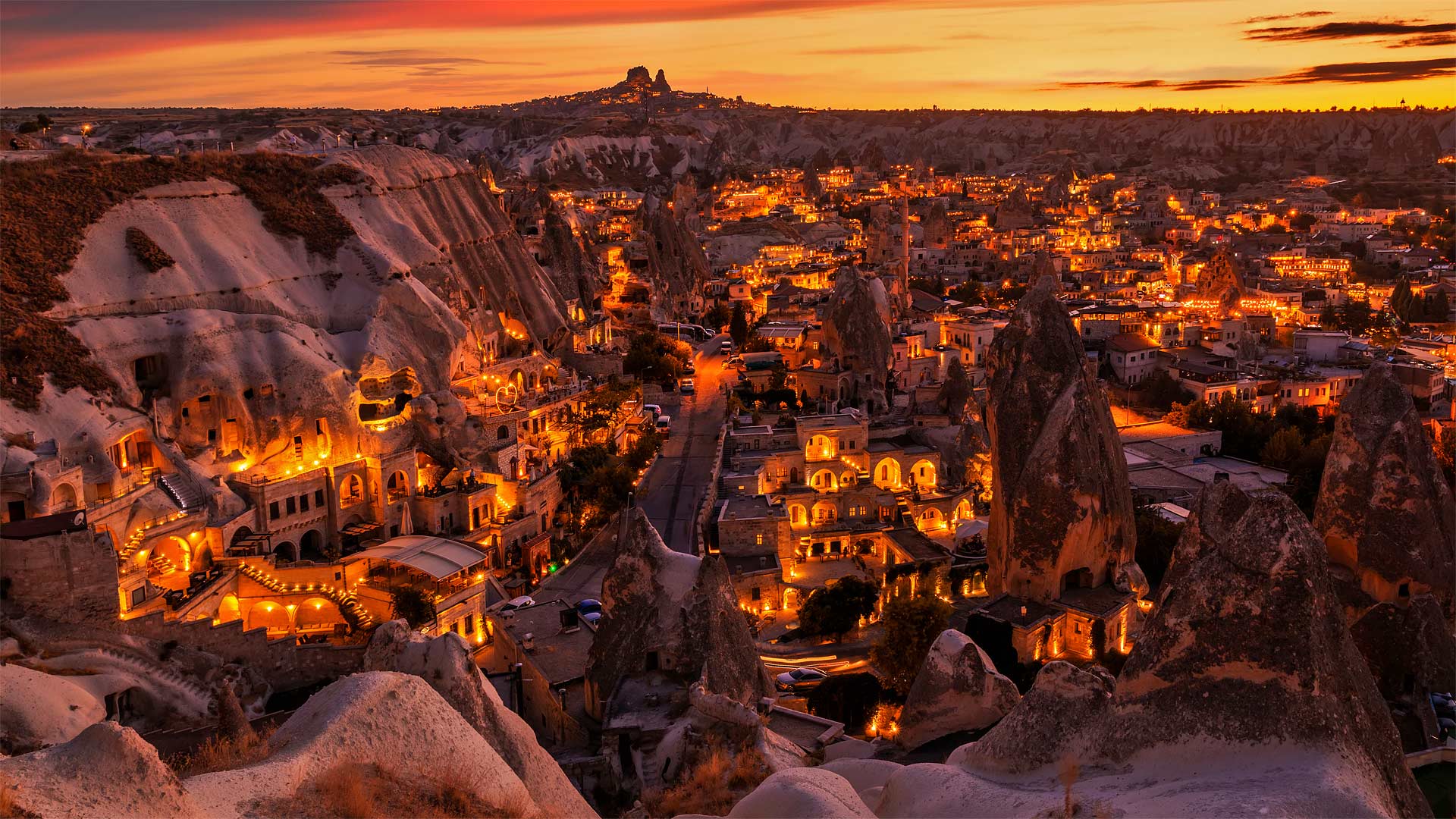
从观景台俯瞰格雷梅,格雷梅国家公园,土耳其卡帕多西亚省 View of Göreme from an observation deck, Göreme National Park, Cappadocia, Turkey (© Anton Petrus/Getty Images)
那些生动的岩石 Living rock
Göreme, in Cappadocia, Turkey
Both natural wonders and historic landmarks, the 'fairy chimneys' of Göreme may suggest the fantastical dwellings of an alien species or an illustration from a Dr. Seuss book. These and similar rock formations are known by many names—hoodoos, tent rocks, earth pyramids, as well as fairy chimneys—and are typically found in dry, hot areas. Here in Cappadocia, in south-central Turkey, they were formed when a thick layer of volcanic ash solidified over millions of years into soft, porous rock called tuff that was overlaid by hard basalt. Cracks in the basalt allowed wind and rain to gradually wash away the softer bottom layer, leaving the hard basalt to cap tall columns of the tuff. The result is these unusual, often beautiful—and perhaps puzzling—formations that spread across the Anatolian plain.
This part of modern day Turkey has been inhabited since at least the Hittite era, between 1800 and 1200 BCE, and possibly for much longer. Innumerable ancient empires fought over the region, with Hittites, Assyrians, Neo-Assyrians, Persians, Greeks, and Romans each laying claim to Anatolia at times. To escape this dangerous world, the locals learned to burrow into the hillsides for protection. Today, a visitor can see the vast, complex, interconnected caves in which societies thrived and sheltered for millennia. Göreme National Park was added to the UNESCO World Heritage List in 1985 and is now a popular tourist destination.
格勒梅,土耳其卡帕多西亚
无论是自然奇观还是历史地标,戈雷米的“童话烟囱”都可能暗示着一个外来物种的奇幻住所,或是苏斯博士书中的插图。这些和类似的岩层以许多名字而闻名于世,如树丛、帐篷岩、地球金字塔,以及仙女烟囱,通常出现在干燥炎热的地区。在土耳其中南部的卡帕多西亚,一层厚厚的火山灰经过数百万年的固化,形成了一种叫做凝灰岩的软多孔岩石,上面覆盖着坚硬的玄武岩。玄武岩中的裂缝使风和雨逐渐冲走较软的底层,留下坚硬的玄武岩覆盖凝灰岩的高柱。结果就是这些不寻常的、通常美丽的、也许令人费解的地层遍布安纳托利亚平原。
现代土耳其的这一部分至少从赫梯时代(公元前1800年至1200年)起就有人居住,而且可能会更久。无数的古代帝国为该地区而战,赫梯人、亚述人、新亚述人、波斯人、希腊人和罗马人有时都声称对安纳托利亚拥有主权。为了逃离这个危险的世界,当地人学会了在山坡上挖洞保护自己。今天,游客可以看到巨大、复杂、相互连接的洞穴,数千年来,社会在这些洞穴中繁衍生息并得到庇护。戈雷米国家公园于1985年被联合国教科文组织列入世界遗产名录,现在是一个受欢迎的旅游目的地。
土耳其棉花堡的石灰华梯田 Travertine terraces of Pamukkale, Turkey (© bybostanci/Getty Images)
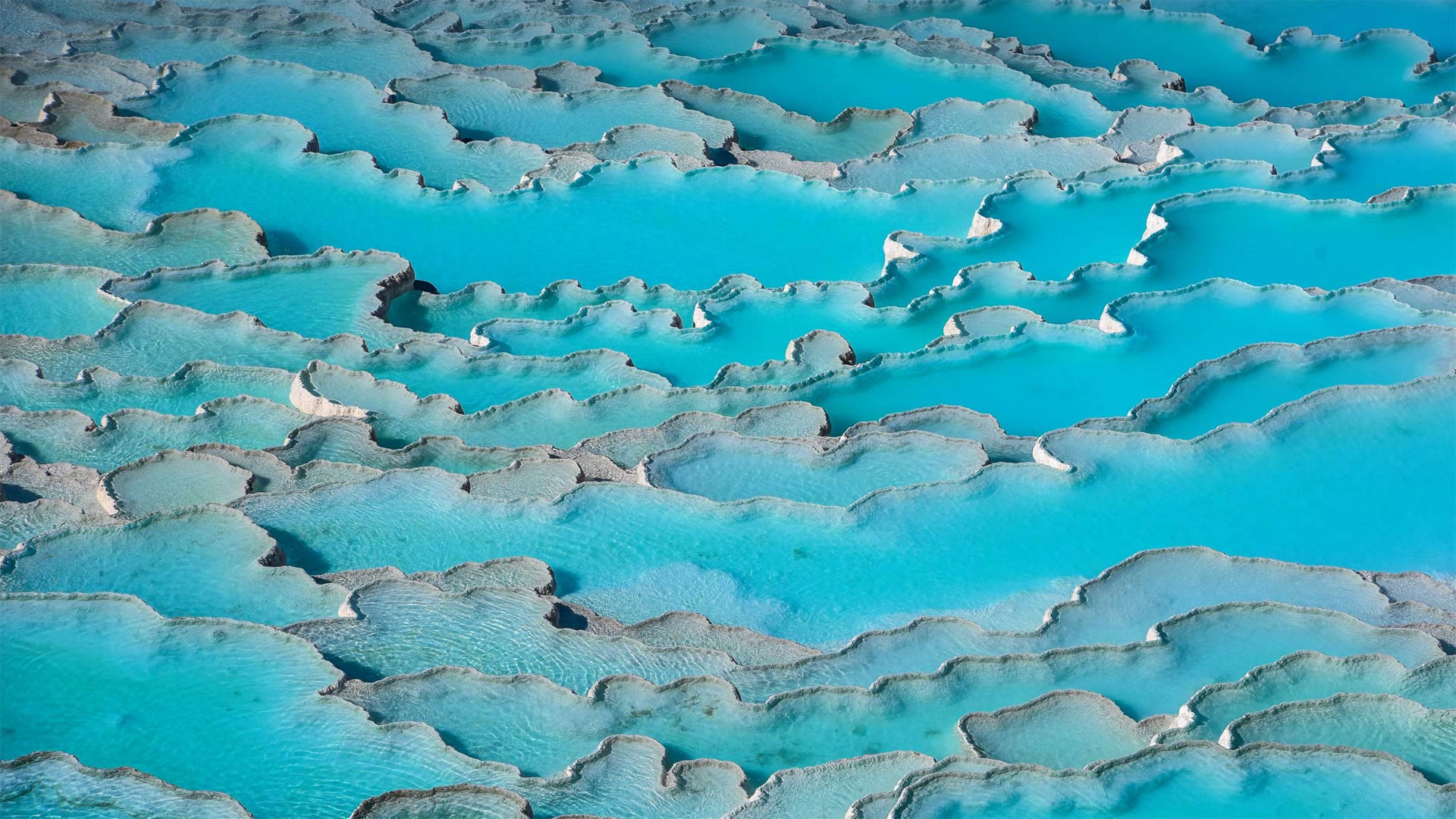
土耳其棉花堡的石灰华梯田 Travertine terraces of Pamukkale, Turkey (© bybostanci/Getty Images)
天堂般的温泉 Heavenly hot springs
Pamukkale, Turkey
The stunning travertine terraces and hot pools of Pamukkale, Turkey, have dazzled visitors since at least the end of the 2nd century BCE and the founding of the Greco-Roman thermal spa of Hierapolis. Since then, people have enjoyed a relaxing soak in the 97-degree Fahrenheit water, claiming curative powers for many ailments.
It makes sense that Pamukkale is also known as the 'Cotton Palace,' in a nod to the fluffy-looking white formations that cover the hillside. That 'cotton' is travertine, a soft limestone that is formed over centuries as calcite-laden water drops from springs on a cliff high above. Here it's a stunning white, but travertine can be found in many different colors, ranging from gray to gold.
The terraces and the ancient ruins of Hierapolis are so unique that they were named a UNESCO World Heritage Site. New restrictions to protect the pools include a cap on the number of bathers, so you may not be allowed to take a dip. But there's plenty to marvel at here. Walk around the ruins of the theater and necropolis, the ancient temples, and bath houses in Hierapolis. You'll be in good company: The hot springs and Hierapolis draw more than 2 million visitors a year, making them one of Turkey's most visited attractions.
帕穆卡莱,土耳其
至少从公元前2世纪末和希拉波里斯希腊罗马温泉浴场的建立起,土耳其帕穆卡勒令人惊叹的石灰华露台和热水池就让游客们眼花缭乱。从那时起,人们在华氏97度的水中享受着放松的浸泡,声称对许多疾病都有疗效。
Pamukkale也被称为“棉花宫”,这是有道理的,因为它与覆盖在山坡上的蓬松的白色地层相呼应。这种“棉花”是石灰华,一种柔软的石灰岩,几个世纪以来,富含方解石的水从悬崖上方的泉水中滴落而成。这是一种令人惊叹的白色,但石灰华有许多不同的颜色,从灰色到金色不等。
Hierapolis的梯田和古代遗址非常独特,因此被联合国教科文组织命名为世界遗产。保护游泳池的新限制包括对游泳人数的限制,因此你可能不被允许游泳。但这里有很多值得惊叹的地方。在希拉波里斯的剧院和墓地遗址、古庙和澡堂周围走走。你会有很好的同伴:温泉和希拉波利斯每年吸引200多万游客,使其成为土耳其游客最多的景点之一。